

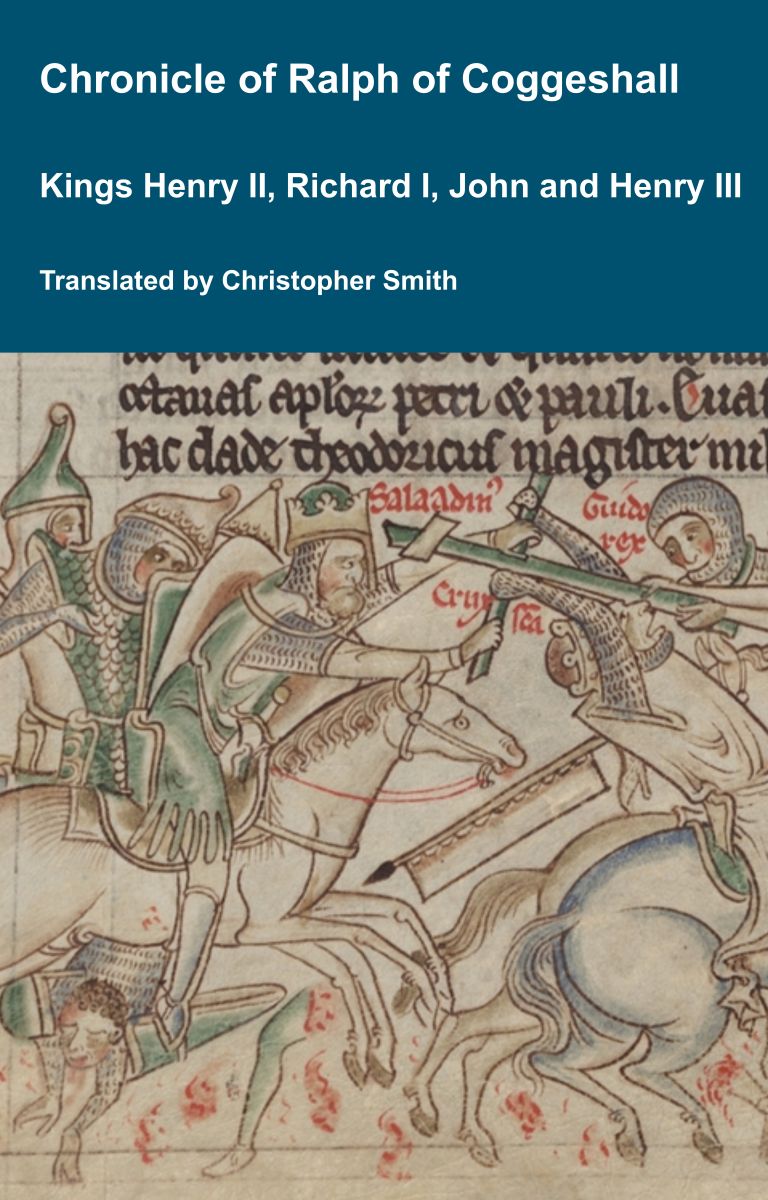
Chronicle of Abbot Ralph of Coggeshall
The Chronicle of Abbot Ralph of Coggeshall (Chronicon Anglicanum) is an indispensable medieval history that brings to life centuries of English and European affairs through the eyes of a learned Cistercian monk. Ralph of Coggeshall, abbot of the Abbey of Coggeshall in Essex in the early 13th century, continued and expanded his community’s chronicle, documenting events from the Norman Conquest of 1066 into the tumultuous reign of King Henry III. Blending eyewitness testimony, careful compilation, and the monastic commitment to record-keeping, this chronicle offers a rare narrative of political intrigue, royal power struggles, and social upheaval in England and beyond. Ralph’s work captures the reigns of pivotal figures such as Richard I and King John, providing invaluable insights into their characters, decisions, and the forces that shaped medieval rule. More than a simple annal, Chronicon Anglicanum conveys the texture of medieval life and governance, making it a rich source for scholars and readers fascinated by English history, monastic authorship, and the shaping of the medieval world.
Available at Amazon in eBook and Paperback format.
In 1442 Matthew Philip was appointed Prime Warden of the Worshipful Company of Goldsmiths.
From 1450 to 1472 Matthew Philip was appointed Alderman of Aldersgate Ward.
In 1463 Matthew Philip was appointed Lord Mayor of London.
Chronicle of Gregory. 1463. Mayor of London: Matthew Philip. Sheriffs: Muschampe, Basset.
Chronicle of Gregory. 21st June 1463. Thys year, a-bute Mydsomyr, a the ryalle feste of the Sargantys of the Coyfe, the Mayre of London was desyryde to be at that feste. And at denyr tyme he come to the feste with his offecers, a-greyng and according unto his degre. For with yn London he is next unto the kyng in alle maner thynge. And in tyme of waschynge the Erle of Worseter [aged 36] was take be-fore the mayre and sette downe in the myddys of the hy tabylle. And the mayre seynge that his place was occupyd hylde him contente, and went home a gayne with owt mete or drynke or any thonke, but rewarde him he dyd as his dignity requyryd of the cytte. And toke with him the substance of his bretheryn the aldyrmen to his place, and were sette and servyd also son as any man couthe devyse, bothe of sygnet and of othyr delycatys i-nowe, that alle the howse marvelled howe welle alle tynge was done in soo schorte a tyme, and prayde alle men to be mery and gladde, hit shulde be a mendyd a nothyr tyme.
Thenn the offesers of the feste, full evylle a schamyd, informyd the maysters of the feste of this mysse happe that is be-falle. And they consyderynge the grete dignity and costys and charge that longgyd unto the cytte, and a-non sende unto the mayre a present of mete, brede, wyne, and many dyvers sotelteys. But whenn they that come with the presentys say alle the gyftys, and the sarvyse that was at the borde, he was full sore a schamyd that shulde doo þe massage, for the present was not better then the servyse of metys was by fore the mayre, and thoroughe out the hyghe tabylle. But his demenynge was soo that he hadde love and thonke for his massage, and a grette rewarde with alle. And this the worschippe of the cytte was kepte, and not loste for hym. And I truste that nevyr it shalle, by the grace of God.
On 21st May 1471 Matthew Philip was knighted.
Before 30th October 1476 Matthew Philip died. His will was proved 30th October 1476.