


Anne Boleyn. Her Life as told by Lancelot de Carle's 1536 Letter.
In 1536, two weeks after the execution of Anne Boleyn, her brother George and four others, Lancelot du Carle, wrote an extraordinary letter that described Anne's life, and her trial and execution, to which he was a witness. This book presents a new translation of that letter, with additional material from other contemporary sources such as Letters, Hall's and Wriothesley's Chronicles, the pamphlets of Wynkyn the Worde, the Memorial of George Constantyne, the Portuguese Letter and the Baga de Secrets, all of which are provided in Appendices.
Available at Amazon in eBook and Paperback format.
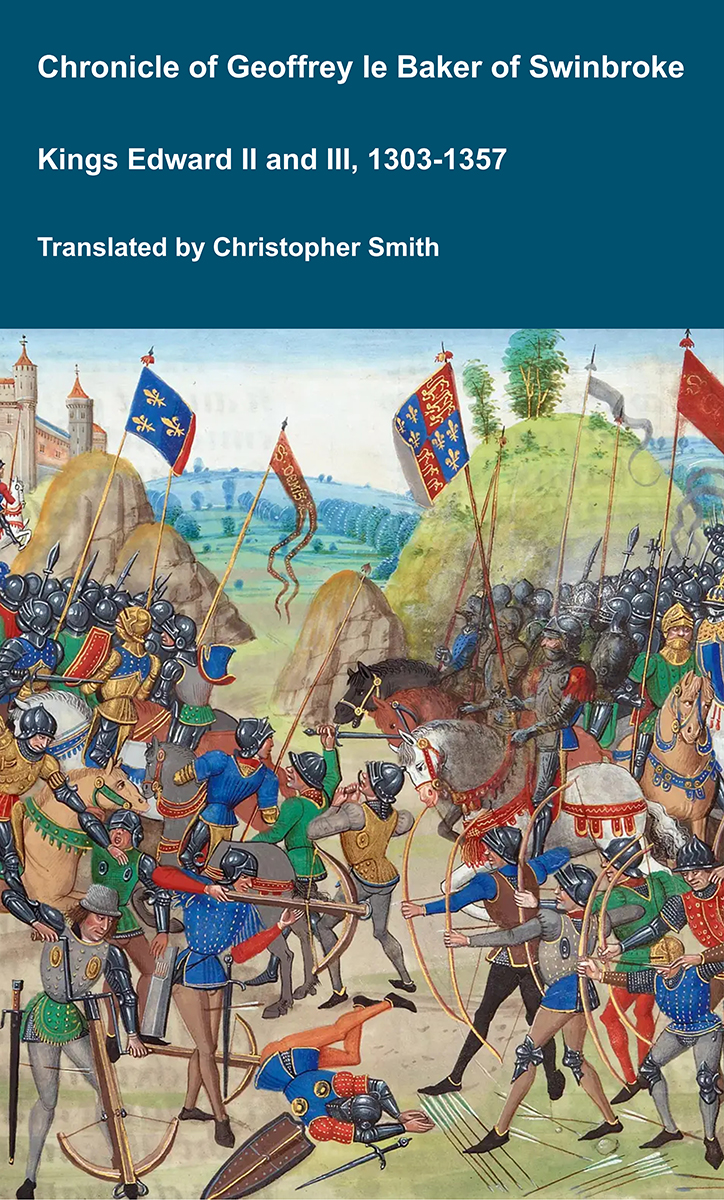 Chronicle of Geoffrey le Baker of Swinbroke. In this year, in the month of November, Walter,1 Archbishop of Canterbury, died, and he was succeeded by Master Simon de Mepham, a doctor of theology, through a canonical election. In this same year, Master Thomas de Cobham2, Bishop of Worcester, also died; and he was succeeded by papal provision by Adam Orleton, formerly Bishop of Hereford, who had gone to the papal court on behalf of his own affairs and those of the king's mother. Likewise, the pope provided the Church of Hereford with Master Thomas de Charlton, who was then present at the court.
Hoc anno, mense Novembris, obiit Walterus Cantuariensis archiepiscopus, cui successit per eleccionem canonicam magister Symon de Mepham, doctor in theologia. Hoc anno moriebatur magister Thomas de Cobham episcopus Wigorniensis; cui successit per provisionem pape Adam Torltoine, prius episcopus Herefordensis, ad curiam pro negociis propriis et matris regis profectus. Item papa providit ecclesie Herefordensi de magistro Thoma de Charletone, tunc in curia presente.
Note 1. Archbishop Walter Reynolds died on 16th November 1327.
Note 2. Thomas de Cobham, Bishop of Worcester, died on 27th August 1327.
On 11th December 1327 Simon Mepeham was elected Archbishop of Canterbury.
Annales Paulini. On Sunday, on the feast of Saint Vincent the Martyr [22nd January 1329], the archbishop [Simon Mepeham] was enthroned at Canterbury; and on the following Friday [27th January 1329], he summoned the entire clergy of the whole province to hold a council in London at the Church of Saint Paul. Early in the morning, a Mass of the Holy Spirit was celebrated by the Bishop of Chichester, with the archbishop and the other bishops, abbots, and prelates standing apart, all vested in their pontificals. After the Mass, the hymn Veni Creator was sung, and the archbishop delivered a long sermon to the clergy. Then a certificate from the Bishop of London was read aloud, confirming the citation of the clergy; and thus the provincial council began. Nothing else was done on the first day, but the council continued for several days, and each day they gathered there to discuss the statutes of the English Church.
Die Dominica in festo Sancti Vincentii martyris intronizatus est archiepiscopus apud Cantuariam; et die Veneris proxima sequente fecit convocari omnem clerum totius provincie ad concilium faciendum Londoniis in ecclesia Sancti Pauli; et primo mane fuit Missa de Sancto Spiritu celebrata ab episcopo Cicestrensi, archiepiscopo et ceteris episcopis cum abbatibus et prelatis seorsum astantibus indutis pontificalibus; et post Missam cantato hympno "Veni Creator," fecit archiepiscopus longum sermonem ad clerum. Deinde lecta fuit litera certificatoria episcopi Londoniensis de citatione cleri; et hoc modo incepit concilium provinciale: et nihil aliud est actum primo die, sed continuatur per plures dies, et qualibet die convenerunt ibi tractantes de statutis ecclesim Anglican.
On 12th October 1333 Archbishop Simon Mepeham died.
Chronicle of Geoffrey le Baker of Swinbroke. In the same year, around the feast of Saint Callixtus the Pope, the Church of Canterbury became vacant upon the death of Master Simon Mepeham.1 At the request of the king, the pope provided as his successor Master John of Stretford, Bishop of Winchester.
Eodem anno, circa festum sancti Kalixti pape, vacavit ecclesia Cantuariensis per mortem magistri Simonis Mepham; cui, ad peticionem regis, papa providit de magistro Iohanne de Stretford episcopo Wintoniensi.
Note 1. Archbishop Simon Mepeham died on the 12th October 1333. He is buried in a tomb made of black marble located beneath the entrance arch to the Chapel of St. Anselm in Canterbury Cathedral.
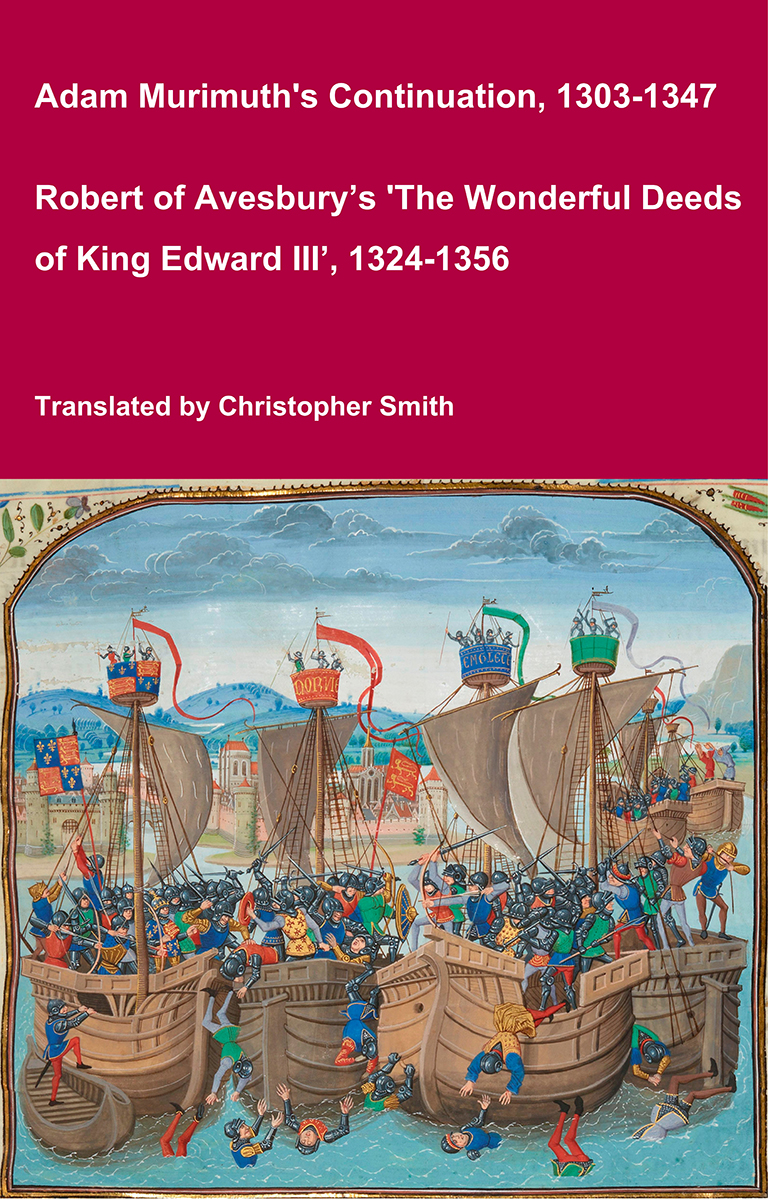 Adam Murimuth Continuation. In the year of the Lord 1333, in the eighteenth year of Pope John and the seventh year of King Edward III from the Conquest, around the feast of Saint Callixtus the pope [14th October], the church of Canterbury became vacant through the death of Master Simon Mepham, who was buried at Canterbury on the seventh day before the Kalends of November [26th October]. In his place the chapter of Canterbury put forward Master John Stratford, bishop of Winchester, making a postulation out of necessity; for they knew that the king had written to the pope and that he stood well in the pope's favour. The pope therefore provided him with the archbishopric on the first day of December, not by virtue of the chapter's postulation but by his own initiative.
Anno Domino millesimo CCCXXXIII, dicti vero Jobannis papæ XVIIIJ, et ipsius regis Edwardi tertii conquæstu VIJ, circa festum sancti Kalixti papæ, vacavit ecclesia Cantuariensis per mortem magistri Simonis de Mepham, qui septimo kalendas Novembris Cantuariæ est sepultus Cujus loco capitulumCantuariense magistrum Johannem de Stretford, Wyntoniensem episcopum, postulatusrieneem: verunt, faciendo de necessitate virtutem; sciverant enim quod dominus rex scripsit summo pontifici, et ipse fuit bene in gratis papæ Cui papa providit de dicto archiepiscopatu primo die Decembris, non virtute postulationis capituli Cantuariensis, sed proprio suo motu.