

The Deeds of the Dukes of Normandy
The Gesta Normannorum Ducum [The Deeds of the Dukes of Normandy] is a landmark medieval chronicle tracing the rise and fall of the Norman dynasty from its early roots through the pivotal events surrounding the Norman Conquest of England. Originally penned in Latin by the monk William of Jumièges shortly before 1060 and later expanded at the behest of William the Conqueror, the work chronicles the deeds, politics, battles, and leadership of the Norman dukes, especially William’s own claim to the English throne. The narrative combines earlier historical sources with firsthand information and oral testimony to present an authoritative account of Normandy’s transformation from a Viking settlement into one of medieval Europe’s most powerful realms. William’s history emphasizes the legitimacy, military prowess, and governance of the Norman line, framing their expansion, including the conquest of England, as both divinely sanctioned and noble in purpose. Later chroniclers such as Orderic Vitalis and Robert of Torigni continued the history, extending the coverage into the 12th century, providing broader context on ducal rule and its impact. Today this classic work remains a foundational source for understanding Norman identity, medieval statesmanship, and the historical forces that reshaped England and Western Europe between 800AD and 1100AD.
Available at Amazon in eBook and Paperback format.
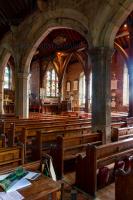
St Leonard's Church, Ribbesford is in Ribbesford, Worcestershire, Churches in Worcestershire.
St Leonard's Church, Ribbesford [Map].
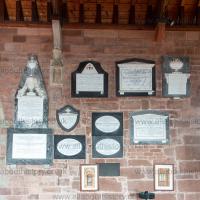
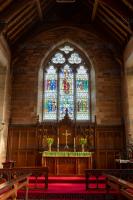
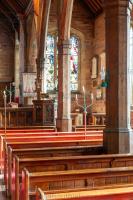
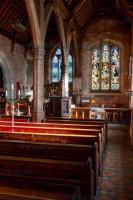
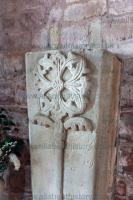
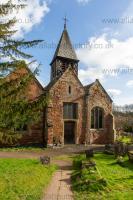
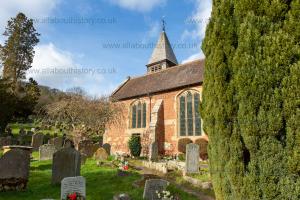
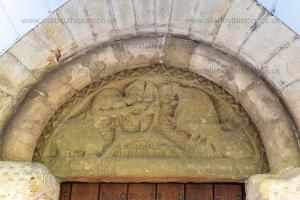
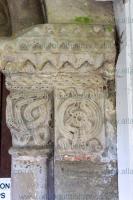
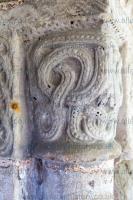
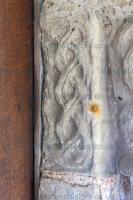
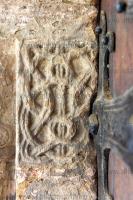
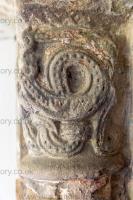
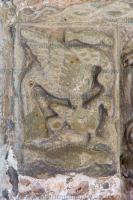
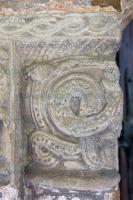
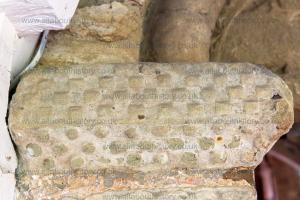
St Leonard's Church, Ribbesford [Map]. Herefordshire School of Carving tympanum. Archer aiming at what appears to be a bird with dog beneath. The description 'bird' somewhat difficult. Others call it a 'fishlike monster'. The capitals are carved with large bird pecking small bird, intertwined knots, and snakes.
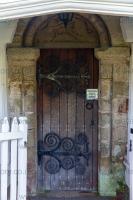
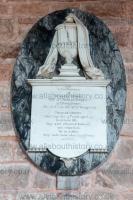
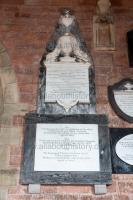
On 7th May 1851 Reverend Edward Francis Winnington (age 65) died. He was buried at St Leonard's Church, Ribbesford [Map].
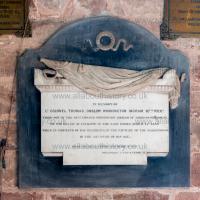
After 1858. St Leonard's Church, Ribbesford [Map]. Monument to Lieutenant-Colonel Thomas Onslow Winnington Ingram (age 41).
Lieutenant-Colonel Thomas Onslow Winnington Ingram: Around 16th March 1816 he was born to Reverend Edward Francis Winnington. On 14th March 1858 Lieutenant-Colonel Thomas Onslow Winnington Ingram was killed in the Kaiserbagh in Lucknow, a ball passing through his head, during the Indian Mutiny.
1875. St Leonard's Church, Ribbesford [Map]. Window designed by Edward Coley Burne-Jones 1st Baronet (age 41), made by William Morris and Co. Dedicated to Hannah Jones, Burne-Jones's mother-in-law. The centrepiece is of a beggar girl being given a new cloak.
Hannah Jones: Before 21st July 1840 Reverend George Browne Macdonald and she were married.


1896. John Benjamin Stone (age 57). Photograph of the tympanum at St Leonard's Church, Ribbesford [Map].
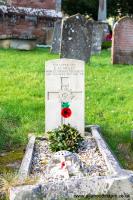
After 3rd January 1917. St Leonard's Church, Ribbesford [Map]. War grave of Lance Corporal Ernest Henry Moles of the Worcestershire Regiment. Son of Thomas and Sarah Moles; husband of Fanny Elizabeth Moles, of 25, Severn Side South, Bewdley, Worcs. Served in the South African War. His son, Arthur Leonard Moles was born on the 26th May 1911, served with the 3rd Heavy Anti-Aircraft Regiment Royal Artillery and died while a prisoner of war of the Japanese on 27th September 1943.