

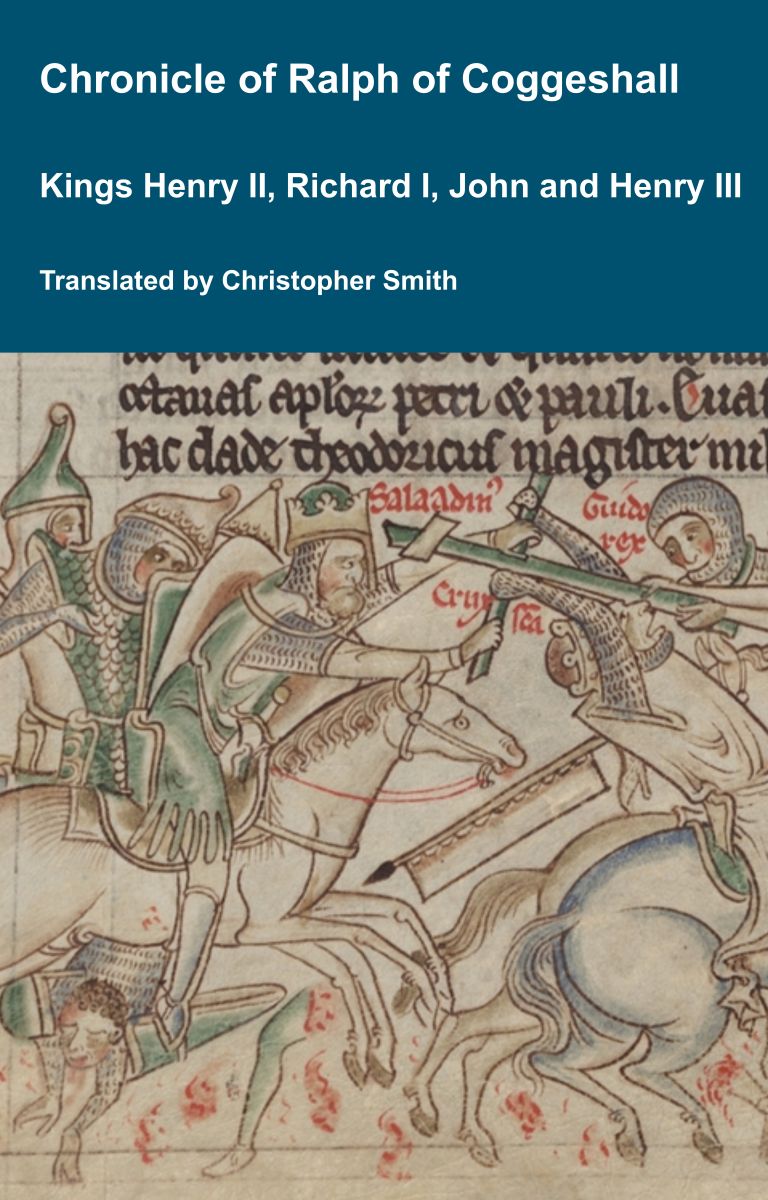
Chronicle of Abbot Ralph of Coggeshall
The Chronicle of Abbot Ralph of Coggeshall (Chronicon Anglicanum) is an indispensable medieval history that brings to life centuries of English and European affairs through the eyes of a learned Cistercian monk. Ralph of Coggeshall, abbot of the Abbey of Coggeshall in Essex in the early 13th century, continued and expanded his community’s chronicle, documenting events from the Norman Conquest of 1066 into the tumultuous reign of King Henry III. Blending eyewitness testimony, careful compilation, and the monastic commitment to record-keeping, this chronicle offers a rare narrative of political intrigue, royal power struggles, and social upheaval in England and beyond. Ralph’s work captures the reigns of pivotal figures such as Richard I and King John, providing invaluable insights into their characters, decisions, and the forces that shaped medieval rule. More than a simple annal, Chronicon Anglicanum conveys the texture of medieval life and governance, making it a rich source for scholars and readers fascinated by English history, monastic authorship, and the shaping of the medieval world.
Available at Amazon in eBook and Paperback format.
Our Ancient Monuments by Charles Kains-Jackson is in Prehistory.
Our ancient monuments and the land around them. By Charles Philip Kains-Jackson; with a preface by Sir John Lubbock. 1880.
The Danes came from Northamptonshire, and they are reputed to have been told that should they come to see Hoarstone [Map] (seven miles S.S.E. of Rollrich) they would be lords of England. Hooknorton, the entrenched position of the Saxons, was stormed by the Danes. Hooknorton lies about midway between Rollrich and Bunbury. The Saxon defeat was very severe, but the battle seems to have checked the Danish advance. There is no proof that their army ever went to Rollrich. Why they should drag the bodies of the slain of Hooknorton five miles from the battle-field is difficult to say. One word more on Professor Fergusson, and we have done. The little legend of the Danes' wish to reach the mystic dolmen of Hoar, the Hoar-stone, is well known to local tradition. It bears the imprint of truth, itis too simple and unpretentious for invention. It embodies a most common idea of early warfare and invasion. It may fairly be admitted, and if admitted it shows a stone close to and precisely similar to those of Rollrich, to have been already old to tradition at the time when the Danes first penetrated into Oxfordshire.