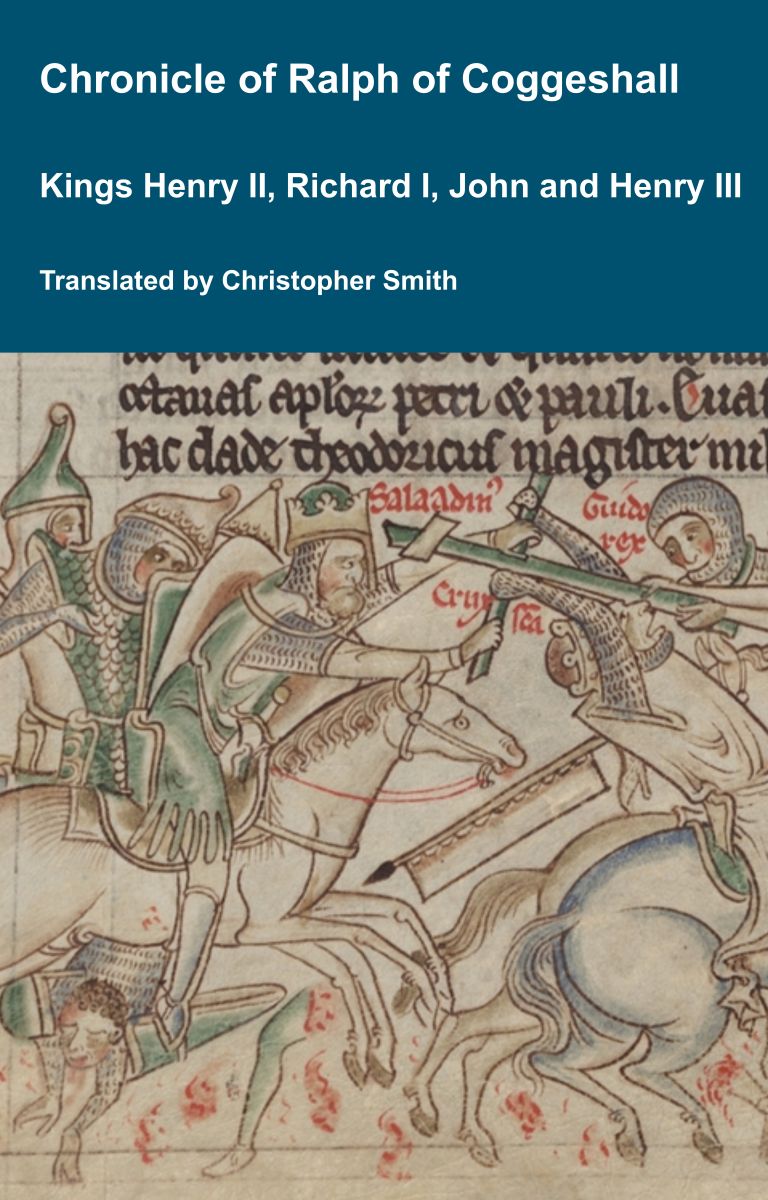
Chronicle of Abbot Ralph of Coggeshall
The Chronicle of Abbot Ralph of Coggeshall (Chronicon Anglicanum) is an indispensable medieval history that brings to life centuries of English and European affairs through the eyes of a learned Cistercian monk. Ralph of Coggeshall, abbot of the Abbey of Coggeshall in Essex in the early 13th century, continued and expanded his community’s chronicle, documenting events from the Norman Conquest of 1066 into the tumultuous reign of King Henry III. Blending eyewitness testimony, careful compilation, and the monastic commitment to record-keeping, this chronicle offers a rare narrative of political intrigue, royal power struggles, and social upheaval in England and beyond. Ralph’s work captures the reigns of pivotal figures such as Richard I and King John, providing invaluable insights into their characters, decisions, and the forces that shaped medieval rule. More than a simple annal, Chronicon Anglicanum conveys the texture of medieval life and governance, making it a rich source for scholars and readers fascinated by English history, monastic authorship, and the shaping of the medieval world.
Available at Amazon in eBook and Paperback format.
Around 1515 John de Feckenham aka Howman was born.
Henry Machyn's Diary. 24th September 1553. The xxiiij day of September dyd pryche master doctur Fecknam [aged 38] at Powlles crosse [Map], the Sonday a-for the qwuen('s) crounasyon; he mad a godly sermon as was hard in that place.
Henry Machyn's Diary. 5th November 1553. The v day of November dyd pryche master Feknam [aged 38] at sant Mare Overays [Map] a-for non, and ther wher at ys sermon the yerle of Devonshyre [aged 26], ser Antony Browne [aged 24], and juge Morgayn, and dyvers odur nobull men.


Henry Machyn's Diary. 5th November 1553. The sam day at after-non dyd prych master Feknam [aged 38] at sant Sthevyns in Walbroke, and ther wher serten pepull mad besenes for the sermon, and ther wher juge Browne [aged 44], ser Rownland Hyll [aged 55], ser Rechard Dobes [aged 22], ser John Yorke [aged 43]; and sum wher sent to the mare [mayor], and to the Conter.
Henry Machyn's Diary. 19th November 1553. The xix day of November dyd pryche master Feknam [aged 38] at sant Stheyns in Walbroke, and ther he mad the goodliest sermon that ever was hard of the blessed sacrament of the body and blud for to be after the consecracion.
In 1554 John de Feckenham aka Howman [aged 39] was appointed Dean of St Paul's Cathedral.
Henry Machyn's Diary. 25th January 1554. The xxv day of January was a goodly prosessyon at Powlles with a 1. copes of cloth of gold, with Salve festa dies; yt was sant Powlles day, and ther was a godly masse; and the sam day master Feknam [aged 39] was mad a prebendary at evyngsonge.
Henry Machyn's Diary. 25th November 1554. The xxv day of November dyd pryche at Powlles crosse [Map] master Fecknam [aged 39], den of Powlles, and a godly sermon.
Henry Machyn's Diary. 21st November 1556. The sam day was the new abbott of Westmynster putt in, docthur Fecknam [aged 41], late dene of Powlles, and xiiij moo monkes shorne in; and the morow after the lord abott with ys coventt whentt a prossessyon after the old fassyon in ther monkes' wede, in collys of blake say, with ij vargers carehyng ij sylver rodes in ther handes, and at evyngsong tyme the vergers whent thrugh the clostur to the abbott; and so whentt in-to the churche affor the he auter, and ther my lord knellyd downe and ys coventt, and after ys praer mad was browtt in-to the qwyre with the vergers and so in-to ys plasse, and contenentt he be-gane evyngsong-xxij day of the sam monyth, that was santt Clementt evyn last.
Henry Machyn's Diary. 29th November 1556. The xxix day of November was my lord abbott [aged 41] consecratyd at Westmynster abbay; and ther was grett compene, and he was mad abbott, and dyd wher a myter; and my lord cardenall [aged 56] was ther, and mony byshopes, and my lord chanseler [aged 55] dyd syng masse, and the abbott mad the sermon, and my lord tressore [aged 73] was [there].
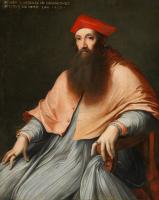

Jean de Waurin's Chronicle of England Volume 6 Books 3-6: The Wars of the Roses
Jean de Waurin was a French Chronicler, from the Artois region, who was born around 1400, and died around 1474. Waurin’s Chronicle of England, Volume 6, covering the period 1450 to 1471, from which we have selected and translated Chapters relating to the Wars of the Roses, provides a vivid, original, contemporary description of key events some of which he witnessed first-hand, some of which he was told by the key people involved with whom Waurin had a personal relationship.
Available at Amazon in eBook and Paperback format.
In 29th November 1556 John de Feckenham aka Howman [aged 41] was consecrated Abbot of Westminster.
Henry Machyn's Diary. 6th December 1556. [The vj day of December the abbot of Westminster [aged 41] went a procession with his convent; before him went all the] santuary men with crosse keys apon [their garments, and] after whent iij for murder; on was the lord Dacres [aged 59] sone of the Northe was wypyd with a shett a-bowt [him, for] kyllyng of on master West sqwyre dwellyng be-syd ....; and anodur theyff that dyd long to one of master comtroller .... dyd kylle Recherd Eggyllston the comtroller('s) tayller, and k[illed him in] the Long Acurs, the bak-syd Charyng-crosse; and a boy [that] kyld a byge boye that sold papers and pryntyd bokes [with] horlyng of a stone and yt hym under the ere in Westmynster Hall; the boy was one of the chylderyn that was [at the] sckoll ther in the abbey; the boy ys a hossear sune a-boyff London-stone.
Henry Machyn's Diary. 20th March 1557. The xx day of Marche was taken up at Westmynster agayn with a hondered lyghtes kyng Edward the confessor in the sam plasse wher ys shryne was, and ytt shalle be sett up agayne as fast as my lord abbott [aged 42] can have ytt don, for yt was a godly shyte [sight] to have seen yt, how reverently he was cared from the plasse that he was taken up wher he was led [laid] when that the abbay was spowlyd and robyd; and so he was cared, and goodly syngyng and senssyng as has bene sene, and masse song.
Henry Machyn's Diary. 5th April 1557. The v day of Aprell, the wyche was Passon [Sunday,] at Westmynster my lord abbott [aged 42] dyd pryche, and mad [a goodly] ser mon as has bene hard in owre tyme.
Henry Machyn's Diary. 19th April 1557. [The same day went to Westminster to hear mass, and to the lord abbot's [aged 42] to dinner, the] duke of Muskovea, and after dener [came into the monastery, and went] up to se sant Edward shryne nuw set up, [and there saw] alle the plasse thrugh; and after toke ys leyff of [my lord abbot], and ther mett hym dyvers althermen and mony [merchants]; and so rod in-to the parke, and so to London.
Henry Machyn's Diary. 20th June 1557. The xx day of Junj dyd pryche my lord abbott of Westmynster [aged 42] at Powlles Crosse [Map], and mad a godly sermon of Dyves and Lazarus, and the crossear holdyng the stayffe at ys prechyng; and ther wher grett audyense, boyth the mayre [aged 57] and juges and althermen, and mony worshepfulle.
Henry Machyn's Diary. 29th June 1557. The xxix day of June, was sent Peters day, was a smalle fare keft in sant Margatt cherche-yerde, as wolle and odur smalle thynges, as tornars and odur: and the sam day was a godly prossessyon, the wyche my lord abbott [aged 42] whent with ys myter and ys crosse and a grett nomber of copes of cloth of gold, and the wergers, and mony worshephull gentyll-men and women at Westmynster, went a prossessyon.
Henry Machyn's Diary. 1st August 1557. The first day of August was the nones [nuns] of Syon [Map] was closyd in by my lorde bysshope of London [aged 57] and my lord abbott of Westmynster [aged 42], and serten of the consell, and serten frers of that order, of shepe coler as the shepe bereth; and thay had as grett a charge of ther leyfvyng [living], and never to goo forth as longe as they do lyffe, but ever ...
Note. P. 145. Inclosing of the nuns of Syon. This royal foundation was one of the few that queen Mary was able to reinstate. Of this transaction see Aungier's History of Syon Monastery, 8vo. 1840, p. 96.

Henry Machyn's Diary. 3rd August 1557. The iij day of August my lade Anne of Cleyff [deceased], sumtyme wyff unto kyng Henry the viijth cam from Chelsey to be [buried] unto Westmynster, with all the chylderyn of Westmynster and [many] prest and clarkes, and then the gray ames of Powlles and iij crosses, and the monkes of Westmynster, and my lord bysshope of Lo[ndon] [aged 57] and my lord abbott of Westmynster [aged 42] rod together next the monkes, and then the ij sekturs [executors] ser Edmond Peckham [aged 62] and ser (Robert) Freston [aged 57], cofferer to the quen of England; and then my lord admerall [aged 47], my (lord) Darce of Essex [aged 60], and mony knyghts and gentyllmen; and a-for her servandes, and after her baner of armes; and then her gentyllmen and here hed offesers; and then here charett with viij baners of armes of dyvers armes, and iiij baners of emages of whytt taffata, wroght with fyne gold and her armes; and so by sant James, and so to Charyingcrosse [Map], with a C. torchys bornyng, her servandes beyrying them, and the xij bed-men of Westmynster had new blake gownes; and they had xij torchys bornyng, and iiij whyt branchys with armes; and then ladies and gentyll-women all in blake, and horsses; and a viij haroldes of armes in blake, and ther horses; and armes sad a-bowt the herse behynd and be-for; and iiij haroldes barying the iiij whyt baners; and at (the) chyrche dore all dyd a-lyght and ther dyd reseyvyd the good lade my lord of London and my lord abbott in ther myteres and copes, sensyng her, and ther men dyd bere her with a canepe of blake welvett, with iiij blake stayffes, and so browth in-to the herse and ther tared durge, and so ther all nyght with lyght bornyng.
Note. Ibid. Funeral of the lady Anne of Cleves. A very particular narrative of this solemnity, from MSS. in the College of Arms, will be found in the Excerpta Historica, 1831, together with the Will of the deceased. The body of the queen was buried, as Stowe says, "at the head of king Sebert," where "she lyeth in a tomb not yet finished." Engravings of what was erected of this tomb will be found in the Vetusta Monumenta, vol. ii. pl. 35, as well as in Dart and the other histories of Westminster Abbey. In p. 145, for sir Robert Freston read Richard; and in p. 146, for William duke of Cleves read John.
Henry Machyn's Diary. 4th August 1557. The iiij day of August was the masse of requiem for my lade prenses of Cleyff [deceased], and dowther to [William] duke of Cleyff [Note. Anne of Cleves was daughter to John de la Marck III Duke Cleves]; and ther my lord abbott of Westmynster [aged 42] mad a godly sermon as ever was mad, and [then] ... the byshope of London [aged 57] song masse in ys myter; [and after] masse my lord byshope and my lord abbott mytered dyd [cense] the corsse; and afterward she was caried to her tomb, [where] she leys with a herse-cloth of gold, the wyche lyys [over her]; and ther alle her hed offesers brake ther stayffes, [and all] her hussears [ushers] brake ther rodes, and all they cast them in-to her tombe; the wyche was covered her co[rps] with blake, and all the lordes and lades and knyghtes and gentyllmen and gentell-women dyd offer, and after masse agrett [dinner] at my lord (abbat's); and my lade of Wynchester was the cheyff [mourner,] and my lord admeroll [aged 47] and my lord Darce [aged 60] whent of ether syde of my lade of Wynchester, and so they whent in order to dinner.
Henry Machyn's Diary. 28th October 1557. The xxviij day of October was the masse of requiem song, and a goodly sermon; and after masse her grasse was bered; and all her hed offesers with whytt stayffes in ther handes, and all the haroldes waytyng abowt her in ther cott armurs, and my lord abbott of Westmynster [aged 42] [was the] precher, a godly sarman; and my lord of London [aged 57] song the masse, and the byshope of (blank) song the masse of the (blank), and ther was a (blank) masse sayd; and after to my lordes plase to dener, for ther was a gret dener.

Anne Boleyn. Her Life as told by Lancelot de Carle's 1536 Letter.
In 1536, two weeks after the execution of Anne Boleyn, her brother George and four others, Lancelot du Carle, wrote an extraordinary letter that described Anne's life, and her trial and execution, to which he was a witness. This book presents a new translation of that letter, with additional material from other contemporary sources such as Letters, Hall's and Wriothesley's Chronicles, the pamphlets of Wynkyn the Worde, the Memorial of George Constantyne, the Portuguese Letter and the Baga de Secrets, all of which are provided in Appendices.
Available at Amazon in eBook and Paperback format.
Henry Machyn's Diary. 12th November 1557. The xij day of November ther was a post sett up in Smythfeld [Map] for iij that shuld have beyn bornyd, butt boyth wod and colles; and my lord abbott of Westminster [aged 42] cam to Newgatt [Map] and talked with them, and so they wher stayd for that day of bornyng.
Henry Machyn's Diary. 21st November 1557. The xxj day of November dyd pryche my lord [abbat of] Westmynster [aged 42], and ther he mad a godly sermon, at Powlles crosse [Map].
Henry Machyn's Diary. 30th November 1557. The sam day the Quen('s) [aged 41] grace and my lord cardenell [aged 57] cam from Sant James unto Whytt-halle, and ther they hard masse; and after masse done, and ther wher all the byshopes and the juges and sergantes of the lawe, and ther wer creatyd ser Thomas Tressam [aged 57] lord of sant John's of England, and iiij knyghtes of the Rodes made; and the sam tyme my lord abbot whent a prossessyon in ys myter, and all the monkes and clarkes syngyng Salve festa dies; and rond abowt the abbay, and my lord abbott [aged 42] sange the masse.


Henry Machyn's Diary. 6th March 1558. [The vj day of March, being the second Sunday in Lent, preached before the lord mayor and the bishops] at [Paul's cross [Map]] my lord abbott of Westmynster docthur [Feckenham] [aged 43]; ther he mad a godly sermon as bene [heard].
Henry Machyn's Diary. 13th December 1558. [The xiij day of December, the corpse of the late Queen [deceased] was brought from St. James's, in a charett, with the pyctur of emages [images] lyke [her person], adorned with cremesun velvett and her crowne on her hed, her septer on her hand, and mony goodly rynges on her fyngers; up the he-way [went] formett [foremost] [the] standard with the Faucon and [the Hart]; then cam a grett compene of morners; and after anodur godly standard of the Lyon and the Faucon; and then her houshold servandes, ij and ij together, in blake gownes, [the] haroldes rydyng to and fro to se them go in order; and after cam the iij standard with the Whyt Grahond and the Faucon; and then cam gentyllmen in gownes, morners; and then cam rydyng sqwyrs, bayryng of baners of armes; and then cam my lord marques of Wynchester [aged 75] on hors-bake, bayryng the baner of the armes of England in-brodered with gold; and then cam after Chester the harold [aged 60], baryng the helm and the crest and mantyll; then cam master Norroy [aged 48], bayryng the targett with the garter and the crowne; and then cam master Clarenshus [aged 48] bayreng the sword and after cam Garter [aged 48], bayryng her cot-armur, on hors-bake they all; and baners borne abowt her, with knyghts, lords, and baners a-bowt the corse; with iiij harolds bayryng on horss-bake iiij whyt baners of santes wroth with fyne gold, master Samersett, master Lanckostur, master Wyndsor, and master Yorke; and then cam the corse, with her pyctur lyung over her, and the corse covered with cloth of gold, the crosse sylver, and then cam iij (blank) with the cheyff morners; and then lades rydyn, alle in blake, trapyd to the grond; and the charett that the quen was in rode the pages of honor with baners in ther handes; and a-for the corse her chapell, and after all the monkes, and after the bysshopes in order; and so by Charyng-crosse to Westmynster abay; and at the grett dore of the chyrche evere body dyd a-lykt of ther horse; and then was gentyll-men rede [ready] to take the quen owt of her charett, and so erles and lordes whent afor her grace to the herse ward, with her pyctur borne betwyn men of worshype; and at the cherche dore met her iiij byshopes, and the abbott [aged 43], mytered, in copes, and sensyng the body; and so she lay all nyght under the herse, and her grace was wachyd. [And there were an hundred poor men in good black gowns] bayryng longe torchys, with [hoods on their heads, and arms] on them; and a-bowt her the gard bayryng [staff-torches] in blake cottes; and all the way chandlers [having] torchys, to gyffe them that had ther torchys [burnt out].
Note. P. 182. Funeral of queen Mary. The ceremonial is in the College of Arms, I. 14, ff. 19—30, and again in ff. 202—214; and the painters' charges at f. 198.
Henry Machyn's Diary. 14th December 1558. The xiiij day of Desember [was] the quen('s) [deceased] masse; and [all the lords] and lades, knyghtes and gentyll women, dyd offer. [And there was] a man of armes and horse offered; and her cotarmur, and sword, and targett, and baner of armes, and iij [standards]; and all the haroldes abowt her; and ther my lord bysshope of Wynchester [aged 48] mad the sermon; and ther was offered cloth of gold and welvet, holle pesses, and odur thynges. [After the] masse all done, her grace was cared up [to the chapel [Map]] the kyng Henry the vij byldyd, with bysshopes [mitred;] and all the offesers whent to the grayffe [grave], and after [they] brake ther stayffes, and cast them in-to the grayffe; in the mayn tyme the pepull pluckt [down] the cloth, evere man a pesse that cold caycth [catch] [it,] rond a-bowt the cherche, and the armes. And after[wards,] my lord bysshope of Yorke [aged 57], after her grace was [buried,] he declaryd an colasyon [collation], and as sone as he had made an end, all the trumpetes bluw a blast, and so the cheyff morners and the lords and knyghtes, and the bysshopes, with [the] abbott [aged 43], whent in-to the abbay to dener, and all the offesers of the quen('s) cott [court].
In 1560 John de Feckenham aka Howman [aged 45] was imprisoned at the Tower of London [Map] for opposing religious change. He spent the rest of his life imprisoned.
Henry Machyn's Diary. 20th May 1560. The xx day of May was send to the Towre [Map] master Fecknam [aged 45], docthur Wattsun [aged 45] latt byshope of Lynkolne, and docthur Colle [aged 60] latt dene of Powlles, and docthur Chadsay; and at nyght abowtt viij of the cloke was send to the Flett [Map] docthur Score [aged 50], and master Fecknam the last abbot of Westmynster, to Towre [Map].
In 1585 John de Feckenham aka Howman [aged 70] died.
Minutes of the Society of Antiquaries. 14th May 1718. Mr Borkol [?] informed us his trees in Dean's Yard, Westminster were planted by Dr Feckenham last Abbot of Westminster.
Mr Gosling presented each Member with a print from his two Plates of Lord Bacon, for which thanks of the Society are returned to him, and Mr Director [aged 40] is ordered to present him with a couple of prints of St James' Font in their names.
Mr President [aged 57] exhibited a curious ancient deed, dated MCLXXVI [1426] 22:H:II being a Pacification between the Abbot of Canterbury and the men of the Isle of Thanet whereto are 124 witnesses cum pluribus alus[?] [with more]. Tis printed in the Dorom Scriptures into Chronica [?] p 1827. Edit 1652 but without the Witnesses.
The Secretary [aged 30] read a letter which gives an Account of a fine font in Ely Cathedral [Map], vast numbers of beautiful and with other monuments there, some pretty ancient. Opposite the door of the North Cross Isle, the pictures of the Archbishop of York, the Earl of Northumberland, and [?] other Bps [Bishops] who held out the Town against William the Conq. They are very ancient and pretty entire.