


The True Chronicles of Jean le Bel Volume 1 Chapters 1-60 1307-1342
The True Chronicles of Jean le Bel offer one of the most vivid and immediate accounts of 14th-century Europe, written by a knight who lived through the events he describes, and experienced some of them first hand. Covering the early decades of the Hundred Years’ War, this remarkable chronicle follows the campaigns of Edward III of England, the politics of France and the Low Countries, and the shifting alliances that shaped medieval warfare. Unlike later historians, Jean le Bel writes with a strong sense of eyewitness authenticity, drawing on personal experience and the testimony of fellow soldiers. His narrative captures not only battles and sieges, but also the realities of military life, diplomacy, and the ideals of chivalry that governed noble society. A key source for Jean Froissart, Le Bel’s chronicle stands on its own as a compelling and insightful work, at once historical record and literary achievement. This translation builds on the 1905 edition published in French by Jules Viard, adding extensive translations from other sources Rymer's Fœdera, the Chronicles of Adam Murimuth, William Nangis, Walter of Guisborough, a Bourgeois of Valenciennes, Geoffrey le Baker of Swinbroke and Richard Lescot to enrich the original text and Viard's notes.
Available at Amazon in eBook and Paperback format.
Battle of Boroughbridge is in 1320-1329 Despencer War.
On 16th March 1322 the rebel army led by Thomas Plantagenet 2nd Earl of Leicester, 2nd Earl Lancaster, Earl of Salisbury and Lincoln [aged 44] attempted to cross the bridge over the River Ure (between Ripon and York) at Boroughbridge Bridge [Map]. Their path was blocked by forces loyal to the King led by Andrew Harclay 1st Earl Carlisle [aged 52]. Bartholomew Badlesmere 1st Baron Badlesmere [aged 46], Roger Mortimer 1st Earl March [aged 34], John Botetort 1st Baron Botetort [aged 57] and John Maltravers 1st Baron Maltravers [aged 32] fought for the rebels. Roger Clifford 2nd Baron Clifford [aged 22], Nicholas Longford [aged 37], Thomas Plantagenet 2nd Earl of Leicester, 2nd Earl Lancaster, Earl of Salisbury and Lincoln, John Mowbray 2nd Baron Mowbray [aged 35] were captured.
Warin Lisle [aged 51] was hanged after the battle at Pontefract [Map].
Following the battle Hugh Audley 1st Earl Gloucester [aged 31] and his wife Margaret Clare Countess Gloucester were both imprisoned. He in Nottingham Castle [Map] and she in Sempringham Priory [Map].
John Clinton 2nd Baron Clinton [aged 22], Ralph Greystoke 1st Baron Greystoke [aged 22], William Latimer 2nd Baron Latimer of Corby [aged 46], Robert Lisle 1st Baron Lisle [aged 34], Domhnall Mar II Earl of Mar [aged 29] and Peter Saltmarsh [aged 42] fought for the King.
Adam Everingham 1st Baron Everingham of Laxton [aged 43] was captured.
Humphrey Bohun 4th Earl Hereford 3rd Earl Essex [aged 46] was killed. His son John [aged 15] succeeded 5th Earl Hereford, 4th Earl Essex.
Piers Grandison 2nd Baron Grandison [aged 31] fough for the rebels, and was captured.
Hugh Audley 1st Baron Audley of Stratton Audley [aged 55] surrendered before the battle and was imprisoned in Wallingford Castle [Map] for the rest of his life
John Giffard 2nd Baron Giffard Brimpsfield [aged 34] was captured.
Roger Mortimer 1st Earl March was imprisoned at Tower of London [Map].


Before 22nd March 1322, the date he was executed, Thomas Plantagenet 2nd Earl of Leicester, 2nd Earl Lancaster, Earl of Salisbury and Lincoln [aged 44] was tried by a tribunal consisting of, among others, Hugh "Elder" Despencer 1st Earl Winchester [aged 61], Hugh "Younger" Despencer 1st Baron Despencer [aged 36] and Edmund Fitzalan 2nd or 9th Earl of Arundel [aged 36]. He was not allowed to speak in his defence, nor was he allowed to have anyone speak for him. He was convicted of treason and sentenced to death.
On 22nd March 1322 Thomas Plantagenet 2nd Earl of Leicester, 2nd Earl Lancaster, Earl of Salisbury and Lincoln [aged 44] was beheaded at Pontefract Castle [Map] following his capture six days before at the Battle of Boroughbridge. He was buried at Pontefract Priory [Map]. Earl of Leicester, Earl Lancaster forfeit.
On 23rd March 1322 at York [Map]..
Roger Clifford 2nd Baron Clifford [aged 22] was hanged. His brother Robert [aged 16] succeeded 3rd Baron de Clifford.
John Mowbray 2nd Baron Mowbray [aged 35] was hanged. He was buried at Fountains Abbey, North Yorkshire [Map]. His son John [aged 11] succeeded 3rd Baron Mowbray.
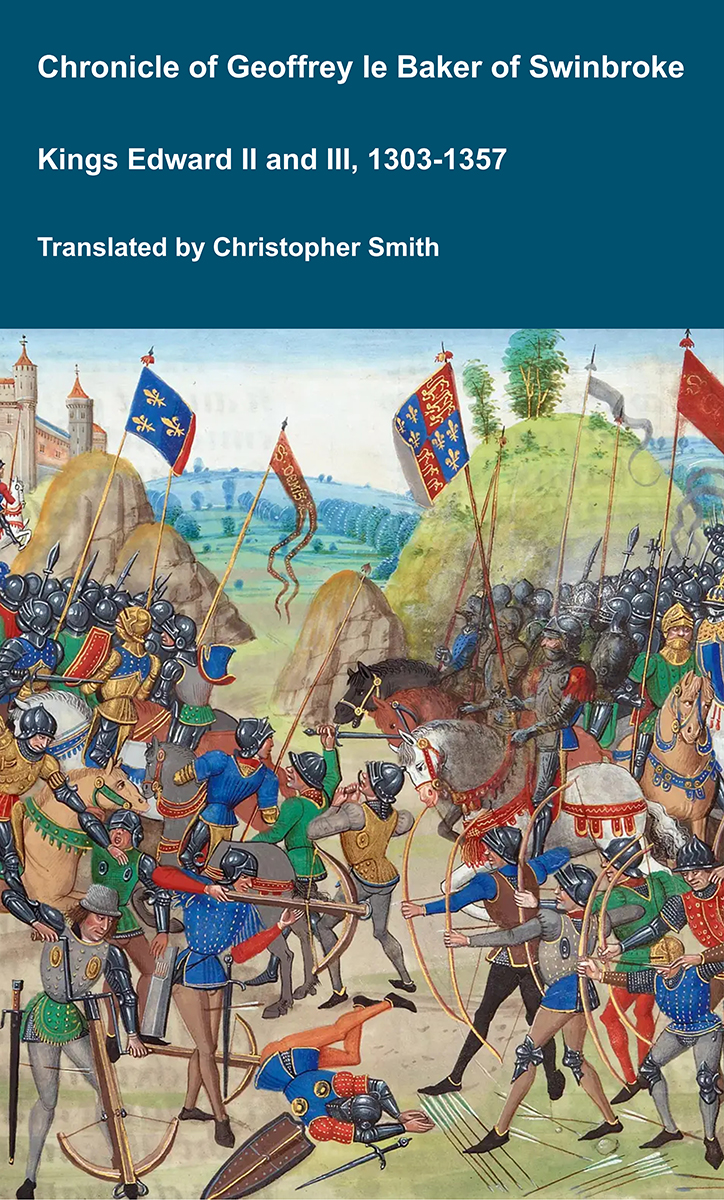 Chronicle of Geoffrey le Baker of Swinbroke. Finally, on the 16th day of March [1322], the forces, stirred by the fury of Mars [God of War], advanced, with the royal banners opposing the baronial standards under the leadership of their respective earls. Oh, if only these banners had been united against the enemies of Christ's cross tenfold in strength by the unanimous consent of the king and the earls, rather than Englishman against Englishman, kinsman against kinsman, ally against ally, knight against his commander. The armies clashed at Boroughbridge, where the noble Earl Humphrey was pierced through the groin by a Welshman hidden under the bridge, who thrust a lance through a gap in the wooden planks, striking in that vulnerable place where knights were not usually armoured, alas, he was slain without even suspecting an attack from below. The Earl of Lancaster was captured on the battlefield, along with barons, baronets, and ninety knights, while some squires, retainers, and others who were too weak to rekindle war were allowed to flee, including some knights disguised among them. The captives were brought before the royal justiciars, including Sir Andrew de Harclay1 and others, and legally convicted of schism, rebellion, and conspiracy against the king's person. To ensure that their impunity would not serve as an encouragement for future generations to commit similar crimes, the law decreed various punishments.
Tandem XVJ die mensis Marcii Martis furore concitant partes, vexillisque regalibus vexilla baronum sub ducatu comitum adversancia, procedunt, que utinam contra inimicos crucis Christi plures in decuplo regis et comitum unanimi consensu fuissent displicata, et non Anglicus in Anglicum, cognatus in cognatum, affinis in affinem, miles in imperatorem fuisset debacatus. Congrediuntur acies apud Borubrigge, ubi piissimus comes Humfridus a quodam Wallico de sub ponte trans foramen tabule lancea in inguinem ex parte secreciori, ilia videlicet qua non solebant milites armari, sub pedibus neminem habens suspectum, proth dolor transfoditur. Capiuntur in campo comes Lancastrie et cum eo barones, baronetti, et milites nonaginta, quinque scutiferis, clientibus, et aliis impotentibus guerram resuscitare diffugio dimissis, et inter illos quibusdam militibus occultis. Captos atque coram regni iusticiariis, domino Andrea de Harchleye et aliis, raciocinatos cismate et rebellione et in capud regium conspiracione legitime convictos, ne impunitas illorum posteris tribueret incentivum taliter delinquendi, diversimode punivit censura legalis.
Note 1. Harclay does not appear among the judges named in Rymer's Fœdera 2.478.
Chronicle of the Monastery of Melsa. 16th March 1322. After this, Thomas, Earl of Lancaster, along with Humphrey de Bohun, Earl of Hereford, and twenty knights in armour, departed from Pontefract Castle. When they arrived at the town called Boroughbridge, Andrew de Harclay, along with his northern allies, who had come to support the king, intercepted them. Thomas, Earl of Lancaster, began to resist them. However, Humphrey de Bohun, Earl of Hereford, while fighting on the bridge, was fatally struck by a lance from a soldier who was hiding beneath the bridge. The lance pierced through the wooden planks and struck him through the groin and into his internal organs, killing him. Also falling with him were Sir William de Sully, Roger de Brunfeld, and Ralph de Elpyngdona, along with many others. Seeing this, those who had been on Lancaster's side began to flee—at first individually, then in groups—until eventually, all except a small number who remained with the Earl of Lancaster had fled. Those who remained were all captured and taken to York on the 17th day before the Kalends of April.
Post hæc recessit comes Lancastriæ cum comite Herfordiæ et monies viginti armatis de castro Pontisfracti, et venientibus ad villam quæ Pons Burgi dicitur occurrit Andreas de Harkelay, cum complicibus suis borealibus venientibus in auxilium regis. Quibus Thomas comes Lancastriæ resistere cœpit. Porro comes Herfordiæ Humfredus de Bown, super pontem pugnans, a quodam qui sub ponte latuit percussus est lancea inter celanda per foramen pontis, usque in viscera, et mortuus est. Corruerunt etiam cum eo domini Willelmus de Sully, Rogerus de Brunfeld, et Radulphus de Elpyngdona, et alii plures. Quod videntes qui partis suæ fuerant, cœperunt, primo singillatim, postea catervatim, omnes fugere, præter paucos qui cum comite Lancastriæ remanebant; et illi omnes capti sunt et ducti Eboracum 17 kalendas Aprilis.
Life and Death of King Edward II of England. Finally, on the seventh1 day of March [16th March 1322], the armies clashed again at Burrowbridge, where the pious Earl Humphrey was pierced through the groin by a lance thrown through the openings of the bridge by a certain Welshman who had positioned himself beneath it. This was a place where knights were not usually armored, as they did not expect to find enemies beneath their feet. In the battle, the Earl of Lancaster was captured, along with barons, baronets, and about ninety-five of his knights and comrades, while the rest saved themselves by fleeing. These men were severely punished as an example to others, following the judgment of Andrew de Harckeley and the king's justices.
Tandem septimo die Martii iterum congrediuntur acies apud Burrowbrugge, ubi piissimus comes Humfridus a quodam Wallo, qui sub ponte constitit, lancea per foramina pontis emissa, per ingunina trajectus interiit; quo in loco milites armari non solent, quippe cum sub pedibus hostes se inventuros minime credant.
Note 1. "septimo die Martii". The Latin text reads the 7th of March whereas most accounts agree the battle took place on the 16th of March.
The Brut. 16th March 1322. Though might men seen Archers drawn ham in that on side and in that other; and Knights also fight together wonder sore; and among other, Sir Humphrey de Bohun, Earl of Hereford [aged 46], a worthy knight of renown throughout all Christendom, stood and fought with his enemies upon the bridge. And as the noble lord stood and fought upon the bridge, a serf, a ribald, sculked under the bridge, and fiercely with a spear smote the noble knight into the fundement, so that his bowels come out there.
Lanercost Chronicle. On Tuesday, then, after the third Sunday in Lent, being the seventeenth of the kalends of April [16th March 1322], the aforesaid earls arrived in force, and perceiving that Sir Andrew had anticipated them by occupying the north end of the bridge, they arranged that the Earl of Hereford and Sir Roger de Clifford (a man of great strength who had married his daughter) should advance with their company and seize the bridge from the pikemen stationed there, while the Earl of Lancaster with the rest of the cavalry should attack the ford and seize the water and the ford from the pikemen, putting them to flight and killing all who resisted; but matters took a different turn. For when the Earl of Hereford (with his standard-bearer leading the advance, to wit, Sir Ralf de Applinsdene) and Sir Roger de Clifford and some other knights, had entered upon the bridge before the others as bold as lions, charging fiercely upon the enemy, pikes were thrust at the earl from all sides; he fell immediately and was killed with his standard-bearer and the knights aforesaid, to wit, Sir W. de Sule and Sir Roger de Berefield; but Sir Roger de Clifford, though grievously wounded with pikes and arrows, and driven back, escaped with difficulty along with the others.
Life of Edward II of Carnarvan by a Monk of Bridlington. 16th March 1322. Thereafter, the lord king pursued the fleeing earls. However, upon hearing of the king's advance, they fled from Pontefract to Boroughbridge, plundering the lands and committing other crimes as they went. On the eighth day after they withdrew from Burton, they hurriedly arrived at Boroughbridge, where a northern knight, Andrew de Harclay, a warlike and valiant man, acting under royal commission to resist and restrain the king's rebels, had gathered an army of armed men and foot soldiers from those regions. He intercepted the fleeing earls and blocked their passage at the bridge. Where the earls intended to go afterward remains uncertain, though common opinion held that they planned to flee to Scotland. Despite underestimating the small numbers of the northern forces, Humphrey de Bohun, Earl of Hereford, along with his allies, engaged in battle on the bridge. In the fight, the Earl of Hereford was killed. Additionally, two knights and the earl's standard-bearer also perished in the conflict. Roger de Clifford and several others, wounded, withdrew from the battle.
Exinde prosecutus est dominus rex comites fugientes, et illi, regis adventum audientes, de Pontefracto usque Pontemburgi, patrias spoliantes et alia facinora facientes, octavo die postquam confutati de Birtone recesserunt, propere pervenerunt; ubi quidam miles Borialium, Andreas de Harecla, bellicosus et strenuus, virtute commissionis regiæ sibi factæ ad resistendum et refrænandum regi rebellantes, ducens secum armatos et pedites in illis partibus adunatos, fugientibus obviavit, "et pontis transitum impedivit. Quo autem preedicti comites divertisse voluerunt, a pluribus ignoratur; opinio tamen communis vulgi fuit quod disponebant usque Scotiam properasse. Et dedignantes comites borialium paucitatem, super pontem comes Herfordiæ et alii cum eisdem congressi sunt; qui etiam ibidem occubuit; duo milites et comitis vexillarius confligentes vitam pariter finierunt. Rogerus de Clifforde et plures alii vulnerati a certamine declinabant.
Jean de Waurin's Chronicle of England Volume 6 Books 3-6: The Wars of the Roses
Jean de Waurin was a French Chronicler, from the Artois region, who was born around 1400, and died around 1474. Waurin’s Chronicle of England, Volume 6, covering the period 1450 to 1471, from which we have selected and translated Chapters relating to the Wars of the Roses, provides a vivid, original, contemporary description of key events some of which he witnessed first-hand, some of which he was told by the key people involved with whom Waurin had a personal relationship.
Available at Amazon in eBook and Paperback format.
Life of Edward II by a Monk of Malmesbury. 16th March 1322. The Earl of Hereford, along with his armed men, crossed the bridge, but none of them mounted their horses. For the bridge was narrow, and it could not provide a passage for knights to advance into battle. The Earl of Lancaster, along with his knights, took a route toward a ford in the river. But Andrew de Harclay, as a prudent knight, wisely stationed a wedge of armed men at both exits. The Earl of Hereford was the first to attack the opposing side, but after a fierce struggle, he was gravely wounded and eventually killed. Three or four knights perished alongside him in the battle.
Comes Herfordiæ cum suis armatis per pontem transivit, sed nullus eorum equum ascendit. Erat enim pons strictus, nec viam cquitibus ad bellum procedentibus præbere potuit. Comes Lancastriæ cum suis militibus ad vadum fluminis viam arripuit. Sed Andreas de Herkeleye, tanquam miles providus, ad utrumque exitum cuneum armatorum sapienter statuit. Comes Herfordiæ partem adversam primitus aggreditur; decertando male vulneratus tandem occiditur. Tres vel quatuor milites in ipso certamine cum comite perierunt.
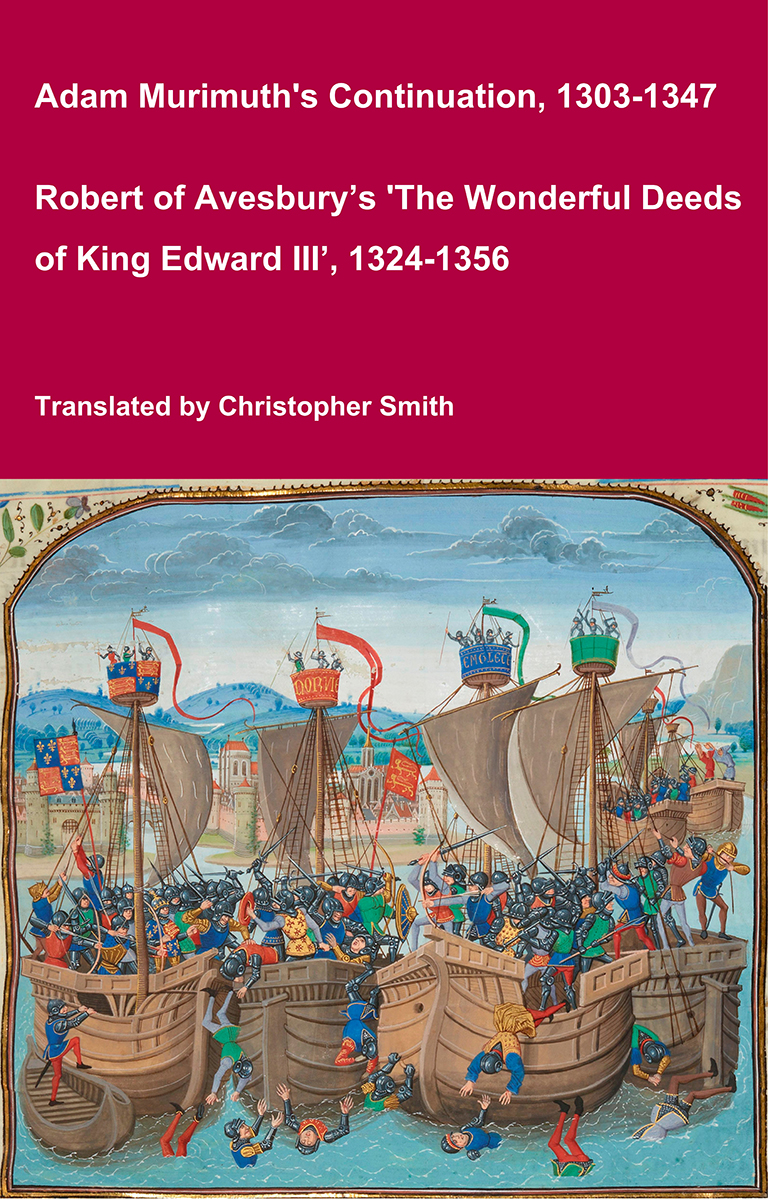 Adam Murimuth Continuation. The earl of Hereford, Gilbert Talbot, Roger d'Amory, and all the others of their party withdrew toward the northern regions to the earl of Lancaster, who was said to have received them. The king then gathered a great army toward the north around the beginning of Lent and had a battle with the earls of Lancaster and Hereford at Burton upon Trent. The earls and their companions fled. At Boroughbridge many men from the regions of Humberland met them, led by Sir Andrew Harclay. In a severe battle the earl of Hereford was killed on the sixteenth day of March [1322], and the earl of Lancaster and sixteen barons were captured. On Monday, the twenty-second day before Easter, the earl of Lancaster was beheaded in his own lordship at Pontefract, and six barons were drawn and hanged. At York Roger de Clifford and John de Mowbray and some others were drawn and hanged. In London Lord Henry Tyes was executed; at Canterbury Bartholomew de Badlesmere; at Gloucester John Giffard; and at Bristol Henry de Wilington and some others. A parliament was then held at York, as will be described below.
Sed comes Herefordiæ, Gilbertus Talbot, Rogerus de Amori, et omnes alii de parte sua, transtulerunt se versus partes boreales ad comitem Lancastriæ, qui dicitur eos suscepisse. Dominus vero rex collegit magnum exercitum versus partes boreales circa principium Quadragesimæ, et ibi habuit conflictum talem qualem cum comitibus Lancastriæ et Herefordiæ apud Burtonam super Trentam, et comites cum suis complicibus fugerunt; et apud Boroubrig obviaverunt eis multi de partibus Humberlandiæ, quorum dux fuit dominus Andreas de Arkeleye, ubi in conflictu gravi comes Herefordiæ fuit occisus, XVJ die Martii, comes Lancastriæ et XVJ barones capti. Et die Lunæ, XXIJ die ante Passionem comes Lancastriæ decollatus in dominio suo apud Pontem fractum, et VJ barones tracti et suspensi. Item, apud Eboracum tracti et suspensi fuerunt Rogerus de Cliffard et Johannes de Moubray et quidam alii. Item, Londoniis dominus Henricus Tyes; et apud Cantuariam, B. de Badelesmere; apud Gloucestriam, Johannes Giffard; apud Bristolliam, Henricus de Wylyntone et quidam aliii Et factum fuit parliamentum apud Eboracum, sicut inferius continetur.
Chronicle of Henry Knighton. The Earls of Lancaster and Hereford therefore advanced with the barons and others to Boroughbridge, where they were met by Sir Andrew de Harclay, and a fierce battle began at the bridge. While the Earl of Hereford was standing and fighting on the bridge, someone went beneath it and struck the earl with a lance, and he immediately fell dead there, as mentioned before, on the 17th day before the Kalends of April [16th March 1322]. There also perished two valiant knights: Sir Roger de Clifford [aged 22] and Sir William de Sully, along with many others; likewise, many more were seriously wounded. The Earl of Lancaster withdrew with his men into the town of Boroughbridge under a truce until the following day.
Perrexerunt igitur comites Lancastriæ et Herfordiæ cum baronibus et aliis apud Borowebrigge, ubi occurrit eis dominus Andreas de Harkeleye, et pugnare cœperunt fortiter ad pontem. Et cum comes Herfordiæ staret pugnans super pontem, quidam perrexit sub ponte et lancea comitem Herfordiæ percussit, statimque ibidem occubuit ut supradictum xvij. kalendarum Aprilis. Ibique interfecti sunt duo strenui milites, dominus Rogerus de Berfelde et dominus Willelmus de Sutheleye, et plures alii, similiterque multi alii graviter vulnerati. Comes Lancastriæ rediit cum suis in villam de Borowebrigge sub treuga usque in crastinum.
Collectanea by John Leland [1502-1552]. Syr Barptolemew Badelesmere was taken at Stow Parke yn the Manoyr of the Bisshop of Lincoln that was his Nephew.
Chronicle of the Monastery of Melsa. 20th March 1322. Those who had remained in Pontefract Castle surrendered it to the king upon his arrival. The king immediately ordered that the Earl of Lancaster be brought from York and brought before him. As Lancaster entered Pontefract, Hugh Despenser the Elder hurled many insults and taunts directly at his face. The said Hugh (Despenser the Elder), Edmund, Earl of Arundel, and Sir Robert de Malberthorpe were assigned as judges over him. Later, he was brought into the hall of his own castle at Pontefract, where he was put on trial. There, due to the king's record (which at that time was considered the law), he was not permitted to speak in his own defence and was sentenced to death. On the 20th day of March, he was led outside the town to a place he greatly cherished and there suffered the beheading of his head. On the same day, six of his knights — Warin de Lisle [deceased], William Tuchet, Thomas Maudit, Henry de Bradbourne, William de Chesnay, and William, son of William—were drawn by horses and executed. Additionally, John Page, the earl's valet, was also put to death.
Captique sunt Johannes de Mowbray, Rogerus de Clyfford, et alii nobiliores cum eo, qui pro majori parte in diversis locis sunt suspensi. De hiis autem qui de conflictu evaserunt plures ultra mare aufugerunt. Illi igitur qui erant in Pontefracto regi advenienti castellum reddiderunt, et continuo præcepit rex dictum comitem Lancastriæ accersiri de Eboraco et adduci ad se. Ad cujus introitum in Pontemfractum, Hugo Dispensator pater opprobria multa in faciem ejus inferebat. Qui quidem Hugo, Edmundus comes de Arundele, et dominus Robertus de Malberthorpia, fuerunt justitiarii super eum assignati. Postea in aula sua infra castellum suum de Pontefracto ductus est ad tribunal, et ibidem propter regis recordum, quod tunc pro lege fuerat reputatum, non est permissus pro se loqui, sed judicatus est ad mortem; et, 20 die Martii, ductus extra villam in locum quem multum diligebat, capitis pertulit abscisionem. Distracti sunt equis eodem die milites sui sex, Warinus de Insula, Willelmus Tuchet, Thomas Maudit, Henricus de Bredeburne, Willelmus de Chesnay et Willelmus filius Willelmi, et Johannes Page, vallettus comitis.
Chronicle of Henry Knighton. 20th March 1322. And when they had come to York, justices were immediately appointed to sit in judgment over them, greatly at the urging of the Despensers. Thus, they were all condemned first to be drawn and then hanged, except for the Earl of Lancaster, who, out of reverence for his royal blood, was beheaded at Pontefract, where the king himself was present at that time, namely on the day after the feast of Saint Benedict, that is, the 11th day before the Kalends of April [22nd March], in the year of our Lord 1321 [1322]. He was buried in the priory of the same town. He [the Earl of Lancaster] was beheaded on a certain plain outside the town, where now, in honour of God and in memory of the said earl, a church of wondrous design has been built near York. Before the earl's death, the following were drawn and hanged: Lord John Mowbray, Lord Roger Clifford, and Lord Gosselin Deyville.
Cumque venissent apud Eboracum, statim justiciarii assignati sunt qui sederent super eos, et hoc multum per excitationem Dispensatorum. Sicque adjudicati sunt omnes primo trahi et sic suspendi, excepto comite Lancastriæ qui ob reverentiam regii sanguinis decollatus est apud Pontefractum ubi rex interfuit eodem tempore scilicet in crastino sancti Benedicti, videlicet xj. kalendarum Aprilis anno domini MCCCXXI. sepultusque est in prioratu ejusdem villæ. Decollatus est in quadam planitie extra villam ubi nunc in dei honore et dicti comitis memoria fabricata est ecclesia mira structura apud Eboracum. Ante mortem comitis tracti sunt et suspensi videlicet dominus Johannes Moubray, dominus Rogerus de Clifforde, dominus Gosellinus Deyvile;
Chronicle of Geoffrey le Baker of Swinbroke. Indeed, the chief instigator of so great a disaster,1 Thomas, Earl of Lancaster [aged 44], whose noble birth and immense wealth led others to follow him as though he were immortal, was, on the sixth day after the king's triumph [22nd March 1322], condemned by public justice to the penalty of hanging. But royal compassion did not permit such a shameful death for one of the king's own blood; instead, the punishment for treason was mercifully commuted to beheading. Of the others,2 eighteen were drawn and hanged in various places throughout England. Five fugitives were punished with exile. As for the rest, seized and worn down by the filth of prison, the king, showing mercy to the many, released them to redemption.
Nempe tante cladis principalem presumptorem Thomam comitem Lancastrie, cuius generositas et diviciarum amplitudo quasi immortali ceteros fecerunt aderere, vj. die post regis triumphum pupplica iusticia suspendio dampnatum, morte turpissima suum consanguineum non permisit tractari pietas regalis, set decapitacioni penam prodicionis misericorditer remisit. De numero ceterorum X et octo in diversis locis Anglie tractis et suspensis, V fugitivis exilio castigatis, ceteros squalore carcerali correptos, parcens multitudini, regia miseracio dimisit redempcioni.
Note 1. Vita Edward II, 270.
The story of Lancaster's capture and execution is told graphically in the Brute chronicle (Harley MS. 2279): "Whan sir Andrewe of Herkela sawe that sir Thomas men of Lancastre laskede and slakede, anone he and his companye come to the gentil knyghte Thomas of Lancastre and seyden: 'Yelde the, treytour, yelde the.' The gentil erle answerde tho and seide: 'Nay, lordes, traytours be we none; and to yow wil we nevere us yelde while that oure lyves lasten, but levere we have to bene slayn in oure treuthe than yelde us to yow.' And sir Andrewe ayen grad upone sir Thomas companye, yollyng as a wode wolfe, and seide: 'Yelde yow, treytours taken, yelde yow.' And with an hie vois and seide: 'Beth ware, seres, that none of yow be so bardie uppon life and lyme to mysdone Thomas bodie of Lancastre." And with that worde the good erle Thomas wente into a chapel and seide, knelyng don uppon his kneys, and turnede his visage towarde the crois and seide: 'Almyghti God, to the I me yelde, and holiche putte me into thi mercy.' And with that the vilaynes ribaudes lepte aboute him in evere side that gentile erle, as tirauntes and wode turmentours, and dispoylede him of his armure, and closed him in a robe of raye that was of his squyers lyvery, and furth lad him unto Yorke by water. Whan he was taken and broughte to Yorke, meny of the cite were ful glade, and uppon him criede with hie voi: 'A! sire traytour, ye erne wel come, blessid be God, for now shal ye have the rewarde that longe tyme ye have deservede'; and cast uppon him meny snow ballis, and meny other reproves dede him. But the gentil erle that suffred and seide nether one ne other. And in the same tyme the kyng herd of that scomfiture and was ful glad, and in haste come to Pountfret, and sir Hugh the Spencer, and sire Hugh his sone, and sir John erle of Arundelle, and sir Edmunde of Wodestoke, the kyngis brother, erle of Kente, and sire Aymer of Valence, erle of Penbroke, and maister Robert of Baldok, a fals pillede clerk, that was pryve and dwellyng in the kyngis courte; and alle come thider with the kyng. And sire Raufe of Beestone yaf up the castel to the kyng, and the kyng enterede into the castelle. And sire Andrewe of Herkela, a fak tiraunt, thurgh the kynges comaundement nome with him the gentil erle Thomas to Pountfret; and ther he was prisonede in his owen castelle that he had newe made, that stode ayens the abbay of kyng Edwarde. And sir Hugh the Spencer, the fader, and sir Hugh his sone caste and thoughte how and in what maner the good erle Thomas of Lancastre shulde ben dede, withoute eny iugement of his peris. Wherfor hit was ordeynede thurgh the kynges Justices that the kyng shuld putte uppone him poyntes of tretry. And so hit bifelle that he was lad to the barre bifore the kynges Justices, bare heed, as a these, in a faire halle within his owen castel that he had made therin meny a faire feste bothe to riche and eke to pore. And these were his Justices: sir Hugh the Spencer, the fader, sir Aymer the Valance, erle of Penbroke, sire Edmunde of Wodestoke, erle of Kente, sire John of Britaigne, erle of Richemonde, and sir Robert of Malmethorpe, iustice. And sir Robert him acoupede in this maner: 'Thomas, atte the first oure lorde the kyng and this courte excludeth yow of almaner answer. Thomas, our lorde the kyng putte uppon yow fat ye have in his lande riden with baner displayede, ayens his pees, as a treytour.' And with that worde the gentile erle Thomas with an hie vois sayde: 'Naye, forsothe, lordes, and by seynt Thomas I was never traytour.' The iustice seide ayen tho: 'Thomas, oure lorde the kyng putte uppon the that ye have robbede his folk and mordred his peple, as a thefe. Thomas, the kyng also putte uppon the that he descomfited yow and youre peple with his folke in his owen reame; wherfor ye wente and fley to the wode as an owtelawe, and also ye were taken as an outelawe. And, Thomas, as a treytour ye shulde ben hangede by resonn; but the kyng hath foryeve yow that iewes [punishment] for the love of quene Isabelle. And, Thomas, reson wolde that ye shulde ben honged, but the kyng hath foryeve hit yow for cause and love of your lynage. But, Thomas, for as moche as ye were take fleyng and as an outelawe, the kyng wil that youre hede be smyten of, as ye have wel deservede. Anone done him oute of prees, and anone bring him to his iugemente.' The gentile knyjte, whan he had herde alle these wordes, with an hie voys criede, sore wepyng, and seide: 'Alias, seint Thomas, faire fader, alias, shal I ben dede thus? Graunte me now, blissful Lord God, answer.' But alle hit avayle him noujte, for the cursede Gascoigne putte him hider and thider, and on him criede with an hie voys: 'O kyng Arthure, most dredful, wel knowe now fine opyn traytrye; in evel deth shall thow die, as thou hast wel deservede.' Tho sette thei uppon his hevede, in scorne, an olde chapelet alle torente and torne, that was not worth an halpeny. And, after, thei sette him uppon a lene white palfreye ful unsemeliche and eke al bare, with an olde bridel; and with an horrible noys they drow him oute of the castelle towarde his deth, and caste on him many ballis of snawe. And as the turmentours ladde him oute of the castelle, tho seide he thise petous wordis, and his handis helde up in hie towardes hevene: 'Now the Kyng of hevene yeve us mercie, for the erthely kyng hath us forsake.' And a frere prechoure wente with him oute of the castelle til that he come til the place that he endid his life, and to whome he shrofe him alle his life. And the gentile erle helde him faste bi the clothis, and saide: 'Faire fader, abide with us til that I be dede; for my flessh quaketh for drede of deth.'And soth for to saye the gentil erle sette him uppon his kneys and turnede him in to the est. But a ribaude, that men callede Higon of Mostone, sette hande uppon the gentil erle and seide in despite of him: 'Sir treytour, turne the towarde the Scottis, thine foule deth to underfonge'; and turnede the erle toward the north. The noble erle Thomas answerede tho with a mylde voys and seide: 'Now, faire lordes, I shal done alle youre wille.' And with that worde the frere wente fro him, ful sore wepyng. And anone a rebaude wente to him and smote of his hevede.
Note 2. See particulars of the executions in: Knighton 426, Chronicle of Lanercost 245, Gesta Edward de Carnarvon, 77, Annales Paulini 303 and Stubbs Constitutional History of England 2.381.
Life of Edward II of Carnarvan by a Monk of Bridlington. 22nd March 1322. Therefore, on the Monday immediately before the Feast of the Annunciation of the Blessed Virgin Mary, at Pontefract Castle, with the lord king presiding over the tribunal, and in the presence of the earls of Kent, Richmond, Pembroke, Warenne and Surrey, Arundel, Atholl, and Angus, as well as barons, bannerets, and other magnates of the kingdom, Thomas, Earl of Lancaster, was summoned to judgment. As he stood before them, it was recorded that Thomas had, against his oath of fealty, homage, and allegiance1, come with hostile intent, displaying banners, at Burton-upon-Trent, along with Humphrey de Bohun, Earl of Hereford, following the entire course of events previously stated. Since these treasons, homicides, arsons, plunderings, felonies, and acts of open war, committed with horses and arms, and banners unfurled, were well known to the earls, barons, and other magnates, as well as to all the people, it was therefore decided that the said Thomas, Earl of Lancaster, should be drawn for his treasons, hanged for the homicides, plunderings, and felonies, and beheaded for his flight. But in the end, out of respect for the illustrious and noble lineage from which the said Thomas had been born—being the son of the king's uncle, Edmund—the lord king, by special royal grace, remitted two of the penalties adjudged against him, namely, that he should neither be drawn nor hanged, but that only the execution by beheading should be carried out upon him. And after this was done, he was entrusted to burial among the monks of the same town. Alas! That such a great man should be so dishonoured, or be suspected of such deeds. And immediately, the lords Warin de Lisle [deceased], William Tuchet, Thomas Mauduit, Henry de Bradbourne, William son of William, and William Cheny were, according to the same record and process, drawn and hanged.
Igitur die Lunæ proxima ante festum Annuntiationis beatæ Marie Virginis, apud Pontemfractum, in castro, domino regi pro tribunali sedente, comitibus Cantiæ, Richmundiæ, Pennebrok, Warenniæ et Surriæ, Arundelliæ, Ascetle et Anegos, ac etiam baronibus, banerettis et aliis regni magnatibus assedentibus, Thoma comite Lancastriæ in judicium vocato, astante, recordatum est quod idem Thomas contra fidclitatem, homagium et ligiantiam suam, venit hostiliter cum vexillis explicatis apud Birtone super Trentam, simul cum Humfrido de Boun comite Herfordiæ, cum toto processu, sicut superius est expressum. Qua proditiones, homicidia, combustiones, deprædationes, felonias, et debellationes hostiles, cum equis et armis, vexillis explicatis, notoria sunt comitibus, baronibus, et aliis magnatibus, cum omni populo manifesta. Et ideo consideratum fuit, quod idem Thomas comes pro proditionibus trahatur, pro homicidiis, prædationibus et feloniis, suspendatur, pro prædicta fuga decapitotur. Sed tandem dominus rex ob reverentiam parentelæ excellentis et nobilis de qua idem Thomas existit procreatus, scilicet filius avunculi sui Edmundi, remisit prædicto comiti de regia gratia speciali executionem duarum pœnarum sibi adjudicatarum, videlicet quod non trahatur neque suspenidatur; sed quod executio tantummodo fiat super ipsum Thomam quod decapitetur. Et hoc facto, inter monachos ejusdem villæ traditur sepulturæ. Proth dolor! quod tantus vir de talibus dcbeat diffamari, aut hujusmodi operibus consentire. Et statim domini Warinus de Insula, Willelmus Thouchett, Thomas Mauduet, Henricus de Bradeburne, Willeimus filius Willelmi, et Willelmus Cheny, per eosdem recordum et processum ibidem trahuntur et suspenduntur.
Note An abstract of the formal record printed in the Federa, ii. 478.
Life and Death of King Edward II of England. 22nd March 1322. First and foremost, Thomas, Earl of Lancaster, whose nobility, power, and immense wealth had inspired others, was sentenced to death by hanging six days later. However, the king's clemency mitigated the severity and disgrace of the punishment, especially considering that Lancaster was his own cousin. Instead, he was ordered to be beheaded. About eighteen others were hanged and drawn in various parts of England. Five were exiled, while the rest were imprisoned in harsh conditions, but were eventually released after paying a ransom.
Capitur in campo comes Lancastriæ, barones et baronetti, commilitones ejus et milites circa nonaginta quinque, reliquis fuga servatis. Hii in exemplum aliorum graviter puniuntur, sententin Andrew de Harckeley, et justitiariornm regis. Imprimis Thomas Lancastriæ comes, cujus nobilitas, potentia et divitiaram splendor reliquos animaverat, sexto post die surpendio condemnatus est: tametsi regis clementia gravitatem pœnæ et turpitudinem præsertim consanguineo mitigavit. Capite itaque truncari jussit, et circa octodecim reliquorum in diversis Angliæ partibus suspensi et tracti sunt; quinque in exilium acti; reliqni carceris squalori mancipati, tandem pretio redimuntur.
Life of Edward II by a Monk of Malmesbury. [22nd March 1322] O what a spectacle! To see the Earl of Lancaster, who was recently the terror of the whole country, receiving judgment in his own castle and home. Then the earl was led out of the castle, and mounting a certain wretched beast of burden, he was conducted to the place of execution. Then the earl, as if in prayer, stretched out his head, and the executioner, striking two or three times, cut off his head. And these things took place in the month of March in the fifteenth year of the reign.
O spectaculum! videre comitem Lancastriæ, qui nuper erat terror totius patriæ, in castro proprio et domo judicium recipere. Deinde educitur comes extra castrum, et ascendens quoddam vile jumentum conductus est ad capitolium. Tunc comes quasi orando caput extendit, et spiculator bis vel ter percutiens caput amputavit. Et hæc acta sunt mense Martii anno regni quintodecimo.
Chronicle of Henry Knighton. 23rd March 1322. And, to add to the noble earl's torment, they caused six of his noblest and closest knights to be drawn and hanged, namely: Lord Warin of Isle, Lord William Touchet, Lord Thomas Mauduit, Lord William, son of William, Lord William Charnells, Lord Henry Bradbourne, and one of the earl's valets. They were all left hanging for a long time on the gallows for greater disgrace. These executions took place at Pontefract, and others at York, and neither the king nor the Despensers would allow their bodies to be taken down or buried for a long time afterward.
... et pro majori tormento nobilis comitis fecerunt trahere et suspendere sex mnobiliores et secretiores milites, scilicet dominum Warinum de Yle, dominum Willelmum Tochet, dominum Thomam Manduth, dominum Willelmum filium Willelmi, dominum Willelmum Charnell dominum Henricum Wradburne et unum valettum comitis qui omnes penderunt longo tempore super furcas pro majori opprobrio. Hii apud Pontefractum et alii apud Eboracum, nec sinebat eos rex et Dispensatores evelli aut sepeliri usque in longo tempore postea.
The Deeds of the Dukes of Normandy
The Gesta Normannorum Ducum [The Deeds of the Dukes of Normandy] is a landmark medieval chronicle tracing the rise and fall of the Norman dynasty from its early roots through the pivotal events surrounding the Norman Conquest of England. Originally penned in Latin by the monk William of Jumièges shortly before 1060 and later expanded at the behest of William the Conqueror, the work chronicles the deeds, politics, battles, and leadership of the Norman dukes, especially William’s own claim to the English throne. The narrative combines earlier historical sources with firsthand information and oral testimony to present an authoritative account of Normandy’s transformation from a Viking settlement into one of medieval Europe’s most powerful realms. William’s history emphasizes the legitimacy, military prowess, and governance of the Norman line, framing their expansion, including the conquest of England, as both divinely sanctioned and noble in purpose. Later chroniclers such as Orderic Vitalis and Robert of Torigni continued the history, extending the coverage into the 12th century, providing broader context on ducal rule and its impact. Today this classic work remains a foundational source for understanding Norman identity, medieval statesmanship, and the historical forces that reshaped England and Western Europe between 800AD and 1100AD.
Available at Amazon in eBook and Paperback format.
Life of Edward II of Carnarvan by a Monk of Bridlington. 23rd March 1322. Furthermore, on the following day, at York, the lords John de Mowbray [aged 35], Roger de Clifford [aged 22], and Jocelin Deyville were, by the aforementioned record and process, drawn and hanged with iron chains.
Item in crastino, apud Eboracum, domini Johannes de Moubray, Rogerus de Clifforde, et Gocelinus Deyvylle, per recordum et processum prædictos trahuntur et cum cathenis ferreis suspenduntur.
On 25th March 1322 Andrew Harclay 1st Earl Carlisle [aged 52] was created 1st Earl Carlisle in reward for his capture of Thomas Plantagenet 2nd Earl of Leicester, 2nd Earl Lancaster, Earl of Salisbury and Lincoln [deceased] at the Battle of Boroughbridge.
Chronicle of Henry Knighton. 25th March 1322. After these events, Sir Andrew de Harclay was made Earl of Carlisle for his role in these proceedings, and appointed warden of the northern march against the Scots. It is noteworthy that all these men were complicit in the death of the Earl of Lancaster, and every one of them later died a shameful death. First, the king himself, and his two brothers, Thomas, Earl Marshal, and Edmund, Earl of Kent, all of whom had been elevated by the favour and urging of the Earl of Lancaster. Also included were the Earl of Warenne, the Earl of Arundel, Lord Hugh le Despenser the Elder, and Lord Hugh le Despenser the Younger, the Earl of Richmond, the Earl of Pembroke, and Lord Aymer de Valence. Among all of these, not one died a praiseworthy death, nor any of their adherents, as shall be shown further on.
Post hæc factus est dominus Andreas de Harkeleye comes Carliellensis pro isto negotio sic prosecuto, factusque est gardianus borialis marchie contra Scotos. Notandum quod isti fuerunt consentientes neci comitis, qui omnes postea morte turpi perierunt. Primo ipse rex, duo fratres ejus, scilicet Thomas comes marescallus et Edmundus comes Cantiæ; isti promoti et erecti per excitationem et instantiam dicti comitis Lancastrise; comes Warenns, comes Arundell, dominus Hugo Dispensator pater et dominus Hugo filius comes Rychemundize, comes de Penbroke, dominus Omerus de Valencia, sed inter eos non extitit quisquam qui fine laudabili vitam finivit, neque quisquam eis adberentium, ut infra patebit in suo processu.
Life of Edward II of Carnarvan by a Monk of Bridlington. April 1322. Likewise, at Gloucester, Lord John Giffard [aged 34], because he had, against his oath of fealty, homage, and allegiance, treacherously seized the town and castle of Gloucester, as well as burned the town of Bridgnorth and destroyed its bridge, committing plunder, murder, and felonies, and then, leading an armed force, marched hostilely against the royal castle of Tickhill, which he besieged along with many others, and later at Burton and Pontefract resisted the lord king, fighting with his own vassals under unfurled banners—for these offenses, by the royal record, as stated above, he, along with Lord Roger Elmbridge, was drawn and hanged, as his crimes demanded. Whoever wishes to read or hear the full record and process pronounced against the aforementioned lords, may find it in another book among the chronicles, where it is entirely contained, as presented above in the trial; in which the names of the lords and other knights captured for the aforementioned rebellion are listed, as well as the places where they suffered the penalty of death. There is also recorded the testimony of a certain John de Denome, within the aforementioned process, concerning what he declared on behalf of the said earls to Robert the Bruce and the Scots, regarding a proposed confederation and alliance with them. This last part I do not affirm as true, nor do I know whether it is or not. God knows.
Item apud Gloucestriam dominus Johannes Giffarde, quia contra fidelitatem, homagium et ligiantiam suam, per proditionem cepit villam et castrum domini regis Gloucestriæ, nec non villam de Briggenorth succendit et pontem fregit, ibique fecit prædationes, homicidium, et felonias, et exinde patrias spoliando vi et armis usque castrumn domini regis de Tykhille hostiliter processit, quod cum aliis pluribus obsedit, et postea apud Birtone et Pontemburgi domino regi restitit, et cum suis ligiis, vexillis explicatis, dimicavit, per regis recordum, ut prædicitur, una cum domino Rogero Elmorigge trahitur et suspenditur, exigentibus demeritis supradictis. Qui vero voluerit totum recordum et processum, contra prædictos dominos factum et pronuntiatum, legere vel audire, in alio libro inter incidentia chronicorum totaliter poterit invenire, sicut in judicio superius est ostensum; in quo nomina dominorum et aliorum militum, qui propter præfatam rebellionem capiebantur, reperiet, et loca in quibus mortis supplicium sunt perpessi. Ibidemque continetur credentia cujusdamn Johannis de Denome infra prædictum processum scripta, ex parte predictorum comitum Roberto de Bruys et Scotis exponenda, super confœderatione et alligatione facienda cum eisdem. Istud ultimum non affirmo, sed an sit verum nec ne nescio. Deus novit.
In or before May 1322 John Giffard 2nd Baron Giffard Brimpsfield [aged 34] was executed by King Edward II of England [aged 38]. Baron Giffard Brimpsfield forfeit.