

Around 1150 Archbishop Stephen Langton was born.
On 7th June 1207 Archbishop Stephen Langton [aged 57] was consecrated Archbishop of Canterbury at Viterbo [Map] by Pope Innocent III [aged 47].
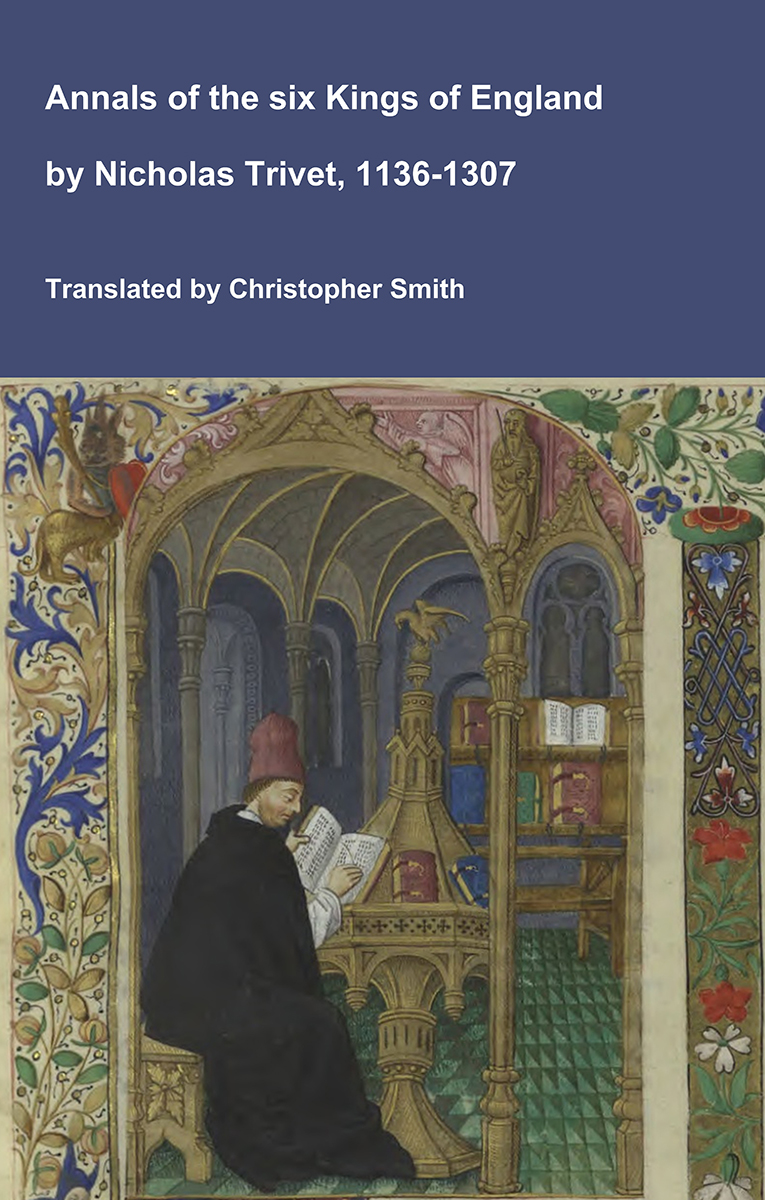 Annals of Six Kings of England by Nicholas Trivet. 1207. Pope Innocent III, setting aside both disputed elections to the church of Canterbury, appointed Stephen Langton [aged 57], cardinal priest of the title of Saint Chrysogonus, at the request of the monks of that church, and consecrated him archbishop on the fifteenth day before the Kalends of July [17th June 1207]. King John of England, angered at this, since he supported the bishop of Norwich, expelled the monks of his monastery through Fulk de Cantilupe and Peter of Cornhill, and forbade Archbishop Stephen to enter England or approach his church. Indeed, he forced both greater and lesser prelates, and clergy who favoured the archbishop, into exile, confiscating all their goods.
1207. INNOCENTIUS papa utrisque Cantuariensis ecclesiæ quassatis electis, magistrum Stephanum de Langedono, tituli sancti Chrysogoni presbyterum cardinalem, postulantibus monachis ejusdem ecclesiæ præficiens, quinto-decimo cal. Julii in archiepiscopum consecravit. Super quo indignatus rex Joannes, qui partem Norwicensis episcopi fovebat, per Falconem de Cantelupo, et Petrum de Cornhulle, monachos de suo monasterio expulit, et Stephano archiepiscopo, ne accedendo ad suam ecclesiam intraret Angliam, interdixit. Quinimmo prælatos tam majores quam minores clericosque archiepiscopo faventes coegit in exsilium, rebus eorum omnibus confiscatis.
On 17th May 1220 Henry [aged 12] was crowned III King of England at Westminster Abbey [Map] since the Pope didn't consider the earlier Gloucester Coronation of Henry III to have been performed correctly. Archbishop Stephen Langton [aged 70] presided.
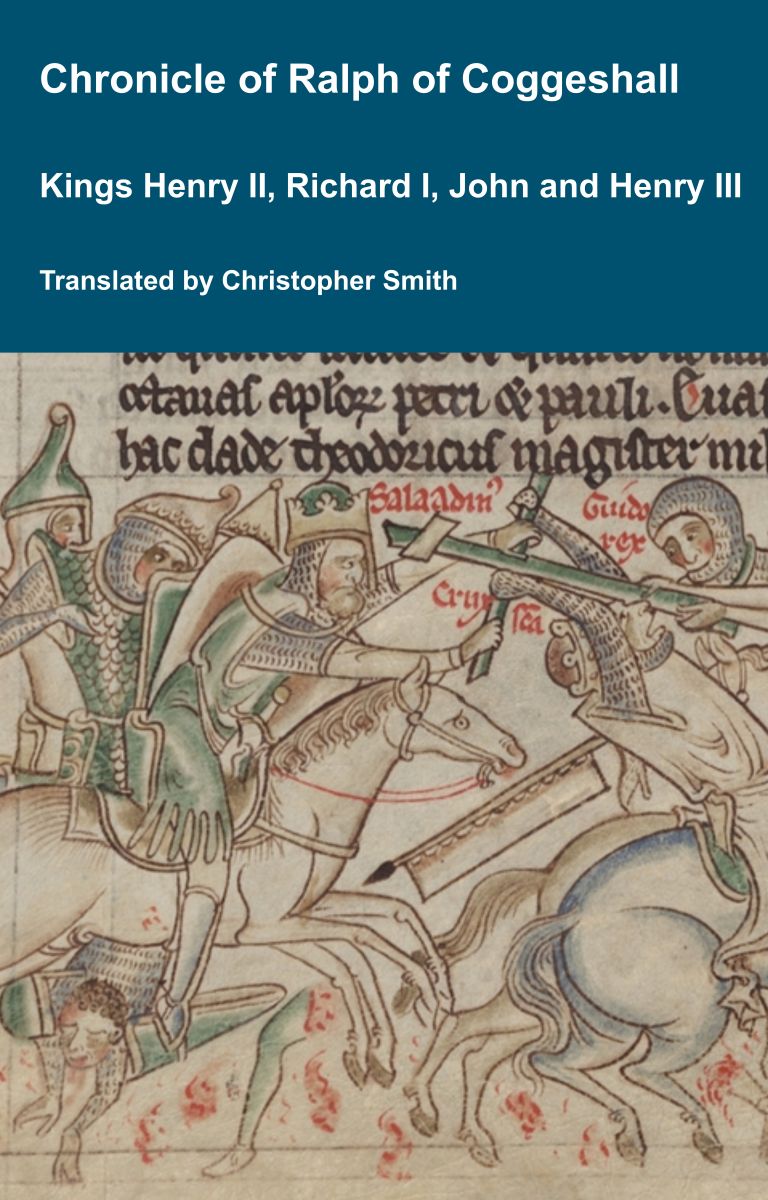 Chronicum Anglicanum by Ralph Coggeshall. In the same year [1220], on the day of Pentecost, namely the sixteenth day before the Kalends of June [17th May 1220], Henry, king of England, the son of King John, was crowned1 at Westminster by Lord Stephen Langton [aged 70], archbishop of Canterbury, in the presence of Lord Pandulf the legate, and of bishops and other prelates and earls and magnates of England. By that same archbishop it was there proclaimed that the taking of the cross should be preached, and that the canonization of Saint Hugh the bishop should be celebrated on the fifteenth day before the Kalends of December [17th November 1220].
Eodem anno, die Pentecosten, videlicet XVI kalendarum Junii, coronatur Henricus rex Angliæ, filius regis Johannis, apud Westmonasterium, a domno Stephano de Langetune, Cantuariensi archiepiscopo, præsentibus domno Pandulfo legato, et episcopis et aliis prælatis et comitibus et majoribus Angliæ; a quo archiepiscopo prædicatur ibidem crucis signatio, et Sancti Hugonis episcopi canonizatio celebranda, XV kalendas Decembris.
Note 1. King Henry III's second coronation. His first had taken place at Gloucester in October 1216, officiated by Cardinal Guala Bicchieri [aged 70], the papal legate, when London was held by rebels.
Roger of Wendover: "In the year of our Lord 1220, King Henry was at Christmas at Marlborough, still under the guardianship of Peter, Bishop of Winchester. In that same year the same king was crowned at Westminster, on the holy day of Pentecost, by Stephen, Archbishop of Canterbury, in the presence of the clergy and people of the whole realm, on the sixteenth day before the Kalends of June (that is, May 17), in the fifth year of his reign. In testimony and memory of this event there went forth a royal command and proclamation that everyone, except those in holy orders, should wear garlands of flowers."
Chronicum Anglicanum by Ralph Coggeshall. On the Nones of July [7th July 1220], that is, on Tuesday in the octave of Saints Peter and Paul, in the time of King Henry, son of King John, the Translation of Blessed Thomas the Martyr1 was carried out, by the authority of Lord Pope Honorius III, in the fourth year of his pontificate; King Henry himself being present, with the consent of Pandulf, legate of the same lord pope; presiding over the church of Canterbury the venerable man Lord Stephen Langton [aged 70], archbishop, who, together with archbishops and bishops, and with clergy and people, most carefully oversaw and managed this work, and happily brought it to completion.
Nonas Julii, scilicet die Martis in crastino octavarum Petri et Pauli, tempore regis Henrici filii regis Johannis, facta est translatio Beati Thomæ martyris, auctoritate domini papæ Honorii III, anno pontificatus ejusdem quarto, præsente memorato rege Henrico, consensum autem præbente Pandulfo ejusdem domini papa legato, præsidente ecclesiæ Cantuariensi viro venerabili domino S. de Langetune, archiepiscopo, et huic operi cum archiepiscopis et episcopis, et clero et populo, curam et operam accuratissime procurante, et opus feliciter consummante.
Note 1. Archbishop Thomas Becket who had been murdered in 1170. Roger of Wendover: "In the same year, on the day [7th July 1220] after the octaves of the apostles Peter and Paul, the body of St. Thomas the archbishop and martyr was taken out of its marble tomb by Stephen archbishop of Canterbury, in the presence of the king and almost all the bishops, abbats, priors, earls, and barons of the kingdom. It was then placed with due honours in a coffin elaborately worked with gold and jewels. At this translation were also present archbishops, bishops, abbats, priors, and numbers of others of the French kingdom, and various other countries, who eagerly assembled to be present at this great solemnity; for they considered it a most proper duty to honour and worship this holy martyr in Christ's cause, who shed his blood for the universal church, and had unflinchingly fought for it to the last."
Annals of Six Kings of England by Nicholas Trivet. 1220. Frederick II, Holy Roman Emperor, king of the Romans and of Sicily, was crowned with the imperial diadem by Pope Honorius III in the basilica of St Peter's Basilica. On the feast of Pentecost, Henry III of England was crowned at London. A truce of four years between Philip II of France and King Henry of England, concerning Poitou, was agreed around the feast of St Peter's Chair. In this year the new work of Westminster Abbey was begun, and the king himself laid the first foundation stone. From every ploughland in England two shillings were granted to the king for the support of his estate. Stephen Langton [aged 70], preaching the cross at Westminster, announced the canonisation of Hugh of Lincoln, bishop of Lincoln, recently carried out by Pope Honorius. On the Nones of July [7th July], the venerable body of Thomas Becket was translated, in the presence of King Henry and Pandulf Verraccio, legate of the Apostolic See, with a great multitude of prelates and nobles, and was most carefully placed in a precious shrine. The Latins dwelling in Greece, while Emperor Peter II of Courtenay was still held in prison, sent solemn envoys to his son, the count of Namur, asking him to come and rule them. He, refusing the honour offered, sent his brother Henry of Courtenay, whom they gladly received and raised to the imperial dignity and crown. In this year the Christians captured the Egyptian city of Tanis, no less miraculously than they had earlier taken Damietta. In the same year, on pilgrimage to Jerusalem, Henry de Bohun and Saer de Quincy died.
1220. FREDBRICUS, Romanorum ct Siciliæ rex, ab Honorio papa in basilica S. Petri apostoli, imperiali diademate coronatur. In festo Pentecostes rex Henricus Londoniis coronatur. Treugæ quatuor annorum inter Philippum Francorum et Henricum Anglorum reges, circa Cathedram S. Petri, pro Pictavia sunt acceptæ. Hoc anno inchoatum est novum opus W estmonasterii, cujus in propria persona rex primum posuit lapidem fundamenti. De singulis autem carucis Angliæ dati sunt regi duo solidi, pro relevamine status sui. Stephanus Cantuariensis, crucem prædicans apud Westmonasterium, canonisationem S. Hugonis Lincolniensis episcopi publicavit, a papa Honorio nuper factam. Nonis Julii corpus venerabile beati Thomæ Martyris, præsentibus Henrico rege et Pandulfo apostolicæ sedis legato, cum multitudine prælatorum et procerum, translatum est, et in capsa pretiosa diligentissime collocatum. Latini qui morabantur in Græcia, detento adhuc in carcere Petro imperatore, missis solemnibus nuntiis ad fillum ejus comitem Namurcii, ut veniret et eis imperaret suppliciter invitarunt. Qui honorem sibi oblatum respuens, fratrem suum, Henricum nomine, ad eos transmisit; quem illi gratanter admittentes, imperiali honore et diademate sublimarunt. Hoc anno ceperunt Christiani civitatem Ægypti Tanis, non minori miraculo quam prius ceperant Damiatam. Hoc anno, in itinere peregrinationis Terosolymitanæ, Henricus de Boun Herfordensis, et Saerus de Quenci Wintoniensis comites obierunt.
Annals of Six Kings of England by Nicholas Trivet. From the second general chapter of the Order of Preachers, which was held at Bologna under Saint Dominic, in this year the friars Preachers were sent to England. They were thirteen in number, having as prior brother Gilbert of Fraxineto, and, in the company of the venerable father Peter des Roches, bishop of Winchester, they arrived at Canterbury. When they had presented themselves to Stephen Langton [aged 71], archbishop of Canterbury, and he heard that they were Preachers, he immediately ordered brother Gilbert to deliver a sermon before him in a certain church in which he himself had intended to preach that same day. The archbishop was greatly edified by his words, and thereafter, throughout his life, he supported the Order of Preachers and its work with favour and goodwill. Setting out from Canterbury, the friars came to London on the feast of Saint Lawrence [10th August 1221], and then went on to Oxford on the feast of the Assumption of the Blessed Virgin [15th August]. There they built an oratory in her honor, and occupied the schools which are now called those of Saint Edward, in whose parish they had received a place and where they stayed for some time. But since the site could not be sufficiently enlarged, they moved to another place granted to them by the king, where they now dwell outside the walls.
De secundo capitulo generali fratrum ordinis Prædicatorum, quod sub beato Dominico celebratum est Bononiæ, hoc anno missi sunt fratres Prædicatores in Angliam, qui numero tredecim, habentes priorem fratrem Gilbertum de Fraxineto, in comitiva venerabilis patris domini Petri de Rupibus, Wintoniensis episcopi, Cantuariam pervenerunt: ubi cum se domino Stephano Cantuariensi archipræsuli præsentassent, audito quod Prædicatores essent, statim fratri Gilberto imposuit, ut coram se sermonem faceret in ecclesia quadam, in qua ipsemet proposuerat eodem die prædicare. Cujus verbis admodum ædificatus pontifex, toto suo tempore, religionem fratrum Prædicatorum et officium prosecutus est gratia et favore. Progredientes autem fratres de Cantuaria, venerunt Londonias in festo sancti Laurentii; et ulterius Oxoniam in festo Assumptionis Virginis gloriosæ, in cujus honore oratorium construxerunt: et habebant scholas illas, quæ nunc sancti Edwardi dicuntur, in cujus parochia locum acceperant, in quo tempore aliquo morabantur. Sed cum non esset opportunitas locum sufficienter dilatandi, transtulerunt se ad locum a rege eis concessum, ubi nunc habitant extra muros.
On 9th July 1228 Archbishop Stephen Langton [aged 78] died.
Annals of Six Kings of England by Nicholas Trivet. 1218. Many nobles of the French and English, moved by devotion, undertook a pilgrimage to Jerusalem; among them were Ranulf de Blondeville and William de Ferrers, 4th Earl of Derby, brave and renowned men. John of Brienne and the duke of Austria, having gathered a strong army from a multitude of pilgrims of various nations, laid siege to the city of Damietta. They had previously, with great effort, captured a very strongly fortified tower situated in the channel of the river. Stephen Langton, long detained at Rome, at last, having obtained permission, returned to England with honour. On the seventh day before the Ides of June, at Worcester, the venerable body of the blessed confessor Wulfstan of Worcester was translated into a silver shrine. Around the feast of St Clement the martyr, Pandulf Verraccio came to England, Guala Bicchieri having been recalled to the papal court. Simon de Montfort, 5th Earl of Leicester died during the siege of Toulouse, struck by a projectile from a siege engine. A certain Ranulf was made bishop of Chichester. Dominic de Guzmán, after receiving brother Reginald of Orléans, went into Spain and founded two houses of the brethren there. In the same year, when the brothers sent to Paris were staying in a rented house between the bishop's residence and the house of God, the university, observing their religious conduct and approving their studious life, granted them the house of Saint-Jacques Convent, where they remain to this day, and whose patronage the university still retains.
1218. NOBILES multi Francorum et Anglorum, devotione allecti, peregrinationem Ierosolymitanam sunt aggressi; inter quos fuerunt Ranulfus Cestriæ et Willelimus Derebeyæ comites, viri strenui et famosi. Joannes rex Jerusalem, et dux Austriæ, coadunato exercitu valido ex multitudine peregrinorum nationum diversarum, civitatem Damiatam obsederunt. Ceperant autem prius cum labore maximo turrim quandam munitissimam in alveolo fluminis sitam. Stephanus Cantuariensis, diu Romæ detentus, tandem impetrata licentia in Angliam rediit cum honore. Septimo idus Junii, apud Wigorniam, beati Vulstani confessoris corpus venerabile in capsam transfertur argenteam. Circa festum beati Clementis martyris Pandulfus venit in Angliam, Gualone ad curiam revocato. Simon comes Montis-fortis, in obsidione Tholosæ, ictu petrariæ percussus decedit. Ranulphus quidam fit episcopus Cicestrensis. Beatus autem Dominicus, post receptionem fratris Reginaldi, profectus in Hispaniam, duas in ea domos fratrum fundavit. Eodem anno, cum fratres missi Parisios starent in quadam domo conducta, inter domum episcopi et domum DEI, universitas attendens eorum religiosam conversationem, et vitam studiosam acceptans, contulit eisdem domum sancti Jacobi, ubi nunc manent, cujus usque in præsens penes se retinet patronatum.
Annals of Six Kings of England by Nicholas Trivet. 1222. Stephen Langton, archbishop of Canterbury, held his first council at Oxford. At this council a certain apostate deacon, having been convicted, was degraded and handed over to the secular authority, by which he was consumed in avenging flames. A certain rustic also, who had crucified himself and, in a kind of superstition, displayed the marks of Christ's wounds, was condemned to perpetual imprisonment within walls.
1222. STEPHANUS, Cantuariensis præsul, primum concilium suum tenuit Oxoniæ; in quo diaconus quidam apostata convictus, degradatus est, et manui sæculari traditus, flammis ultricibus est absumptus. Rusticus etiam quidam seipsum crucifigens, et stigmata vulnerum Christi superstitione quadam circumferens, perpetuo immuratur.
Chronicum Anglicanum by Ralph Coggeshall. Master Stephen Langton was consecrated archbishop of Canterbury by Lord Pope Innocent. The convent of Canterbury was expelled by King John, and all the goods of that church were confiscated. Henry, the firstborn son of King John by his queen, the daughter of the count of Angoulême, was born.
Magister Stephanus de Langhetune a domino papa Innocentio in archiepiscopum Cantuariensem consecraConventus Cantuariensis a rege Johanne expellitur, et omnia bona ejusdem ecclesiæ confiscantur. Henricus primogenitus regis Johannis de regina sua, filia comitis Engolismi, nascitur.
Annals of Six Kings of England by Nicholas Trivet. King John, seeing his barons rise against him, since they had bound themselves by letters to the king of France, promising the kingdom of England to Louis VIII of France, and perceiving also that the anger of the pope against him was increasing day by day, changed his mind. First, he allowed Archbishop Stephen Langton to return to his see and to exercise freely all the authority belonging to his dignity. Desiring also to be protected by the Church against both internal and external enemies, and at the urging of Pandulf Verraccio, legate of the Apostolic See, he made the whole kingdom of England and Ireland subject to God and to Saint Peter the Apostle, and to his vicar Pope Innocent III, and to his Catholic successors, for the remission of his sins and those of all his lineage, at an annual tribute of one thousand marks, seven hundred for England and three hundred for Ireland. He also issued a charter confirming this arrangement, containing the terms of the submission:
Joannes rex Angliæ videns barones suos contra se insurgere, utpote qui cum rege Francorum per litteras suas ligias fecerant, spondentes regnum Angliæ Lodovico filio regis ejusdem, offensamque domini papæ super se de die in diem aggravari, flexus est animo, et in primis archiepiscopum Stephanum ad suam permisit sedem accedere, ac libere in omnibus fungi sibi debita dignitate. Cupiens etiam contra hostes tam domesticos quam extraneos ecclesiastica protectione muniri, procurante Pandulpho, apostolicæ sedis legato, totum regnum suum Angliæ et Hiberniæ Dzo et beato Petro apostolo, ejusque vicario Catholico Innocentio papæ tertio, successoribusque Catholicis, in remissionem peccatorum suorum totiusque generis sui, in mille marcis, scilicet pro Anglia septingentis, et pro Hibernia trecentis constituit censuale, superque hoc chartam suam fecit subscriptum continentem tenorem:
Annals of Six Kings of England by Nicholas Trivet. 1210. Pope Innocent III pronounced a sentence of excommunication against Otto IV, as a rebel against the Roman Church, and released the princes of Germany from their allegiance to him, forbidding under threat of anathema that anyone should call him emperor. He also excommunicated John of England, because he had not permitted Archbishop Stephen Langton to come to his church. King John, however, in the same year, about the feast of John the Baptist, set out for Ireland, expelled Hugh de Lacy, and brought the whole land under his control, having subdued Cathal Crobhdearg Ua Conchobair. The Jews throughout the kingdom of England were imprisoned, and, after all their goods had been confiscated, were expelled from the land by public decree.
1210. INNOCENTIUS papa in Othonem imperatorem, ecclesiæ Romanæ rebellem, excommunicationis sententiam fulminavit, principesque Teutoniæ ab ejus fidelitate absolvit; ac ne quis eum imperatorem appellaret interdixit sub interminatione anathematis. Excommunicavit etiam Joannem, regem Angliæ, pro eo quod archiepiscopum Stephanum ad suam ecclesiam accedere non permisit. Joannes vero rex eodem anno circa festum S. Joannis Baptistæ profectus in Hiberniam, expulit inde Hugonem de Laci, et in suam ditionem redegit totam terram, Catholo rege Connaciæ triumphato. Judæi per totum regnum Angliæ captivantur, et bonis eorum omnibus confiscatis, de terra sub edicto publico expelluntur.
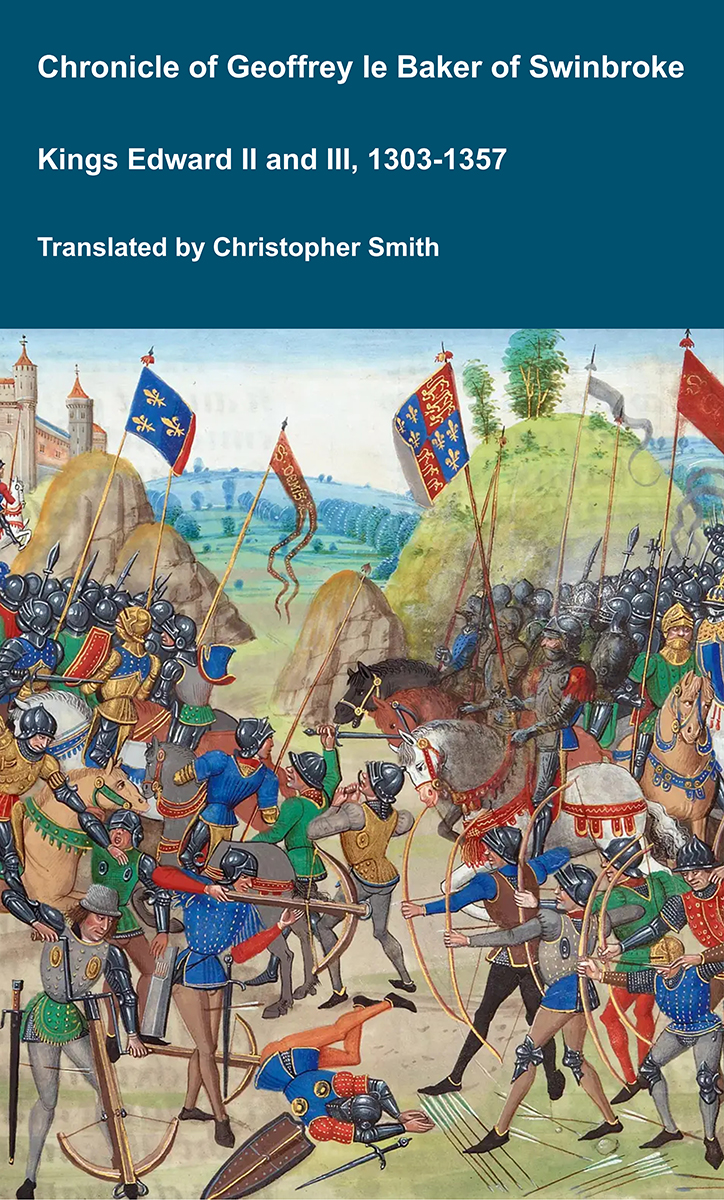
Chronicle of Geoffrey le Baker of Swinbroke
Baker was a secular clerk from Swinbroke, now Swinbrook, an Oxfordshire village two miles east of Burford. His Chronicle describes the events of the period 1303-1356: Gaveston, Bannockburn, Boroughbridge, the murder of King Edward II, the Scottish Wars, Sluys, Crécy, the Black Death, Winchelsea and Poitiers. To quote Herbert Bruce 'it possesses a vigorous and characteristic style, and its value for particular events between 1303 and 1356 has been recognised by its editor and by subsequent writers'. The book provides remarkable detail about the events it describes. Baker's text has been augmented with hundreds of notes, including extracts from other contemporary chronicles, such as the Annales Londonienses, Annales Paulini, Murimuth, Lanercost, Avesbury, Guisborough and Froissart to enrich the reader's understanding. The translation takes as its source the 'Chronicon Galfridi le Baker de Swynebroke' published in 1889, edited by Edward Maunde Thompson.
Available at Amazon in eBook and Paperback format.
Annals of Six Kings of England by Nicholas Trivet. 1208. England was placed under interdict by Pope Innocent III on the eleventh day before the Kalends of April, the papal mandate being carried out by the bishops William of Sainte-Mère-Église, Eustace of Ely, and Mauger of Worcester, because King John of England did not permit Archbishop Stephen Langton to come to his church. During his exile, Stephen remained at the monastery of Pontigny among religious men, following in the footsteps of his predecessor, the most glorious martyr Thomas Becket. Otto IV, duke of Saxony and nephew of the king of England through his sister, peacefully obtained the kingdom of Germany, after Philip of Swabia, who had long contended with him for the empire, was killed by the landgrave of Thuringia. John of Brienne was crowned king of Jerusalem. Philip of Poitou and Geoffrey of Chichester died.
1208. ANGLIA per papam Innocentium interdicto supponitur undecimo cal. Aprilis, exsequentibus papale mäandatum Willelmo Londoniensi, Eustachio Eliensi, et Malgero Wigorniensi episcopis, quia rex Joannes archiepiscopum Stephanum ad suam ecclesiam accedere non permisit; qui tempore sui exsilii mansit in monasterio Pontiniacensi inter viros religiosos, gloriosissimi martyris Thomæ prædecessoris sui vestigia imitatus. Otho dux Saxoniæ, regis Angliæ ex sorore nepos, regnum Alemanniæ pacifice obtinuit, Philippo duce Sueviæ, qui cum Othone diu contenderat de imperio, a Landecravio Turingiæ interfecto. Joannes de Brennia in regem Jerusalem coronatur. Obierunt Philippus Dunelmensis et Galfridus Cicestrensis episcopi.