The History of William Marshal was commissioned by his son shortly after William’s death in 1219 to celebrate the Marshal’s remarkable life; it is an authentic, contemporary voice. The manuscript was discovered in 1861 by French historian Paul Meyer. Meyer published the manuscript in its original Anglo-French in 1891 in two books. This book is a line by line translation of the first of Meyer’s books; lines 1-10152. Book 1 of the History begins in 1139 and ends in 1194. It describes the events of the Anarchy, the role of William’s father John, John’s marriages, William’s childhood, his role as a hostage at the siege of Newbury, his injury and imprisonment in Poitou where he met Eleanor of Aquitaine and his life as a knight errant. It continues with the accusation against him of an improper relationship with Margaret, wife of Henry the Young King, his exile, and return, the death of Henry the Young King, the rebellion of Richard, the future King Richard I, war with France, the death of King Henry II, and the capture of King Richard, and the rebellion of John, the future King John. It ends with the release of King Richard and the death of John Marshal.
Available at Amazon in eBook and Paperback format.
 Avebury Outer Circle Stone 9 aka SW16 aka Barber Stone
 Avebury Outer Circle Stone 35
 Avebury Outer Circle Stone 46 aka Swindon Stone
Avebury Outer Stone Circle Extant Stones is in Avebury Outer Circle.
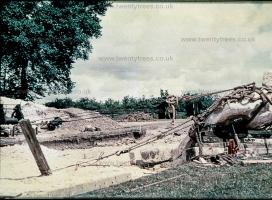
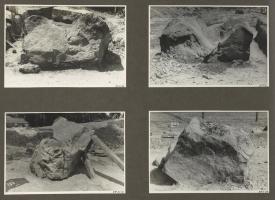
1938-39. Alexander Keiller's Slides. General view of the excavation of Stone 4 [Map] in the south west sector of the henge at Avebury showig the inner face.
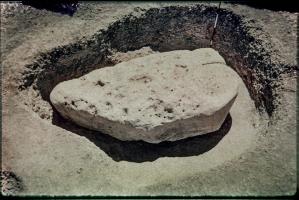
1938-39. Alexander Keiller's Slides. General view of the excavation of Stone 4 [Map] in the south west sector of the henge at Avebury.
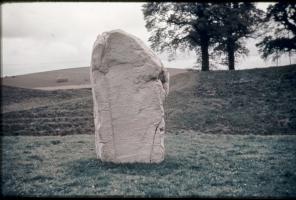
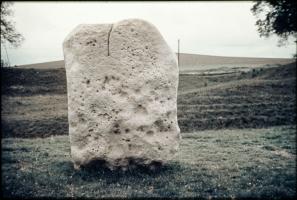
1938-39. Alexander Keiller's Slides. General view of Stone 5 [Map] in the south west sector of the henge at Avebury, showing the inner face.
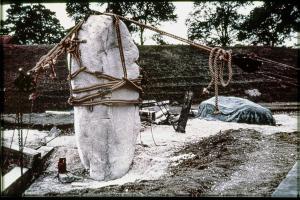
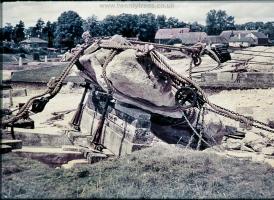
1938-39. Alexander Keiller's Slides. General view of Stone 5 [Map] in the south west sector of the henge being supported by ropes during its re-erection at Avebury.
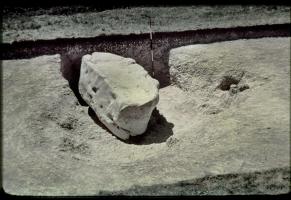
1938-39. Alexander Keiller's Slides. General view of the excavation of Stone 5 [Map] in the south west sector of the henge at Avebury.
Keiller's Slides TR000085. 1938. General view of the re-erection of stone 6 [Map] in the south west sector of the henge at Avebury.
Keiller's Slides TR000083. 1938. General view of the re-erection of stone 6 [Map] in the south west sector of the henge at Avebury, showing the use of pullys.
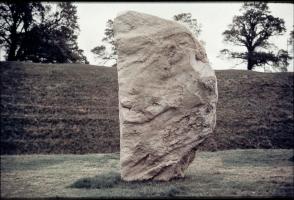
1938-39. Alexander Keiller's Slides. General view of Stone 7 [Map] in the south west sector of the henge at Avebury, showing the inner face.
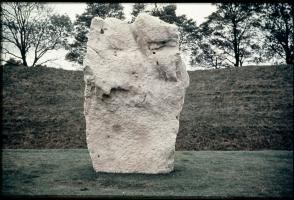
1938-39. Alexander Keiller's Slides. General view of the excavation of Stone 10 [Map] in the south west sector of the henge at Avebury showing its inner face.
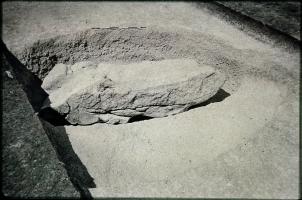
1938-39. Alexander Keiller's Slides. General view of the excavation of Stone 10 [Map] before its re-erection in the south west sector of the henge at Avebury.
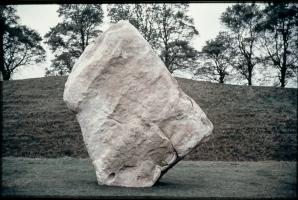
1938-39. Alexander Keiller's Slides. General view of Stone 12 [Map] in the south west sector of the henge at Avebury, showing the inner face.
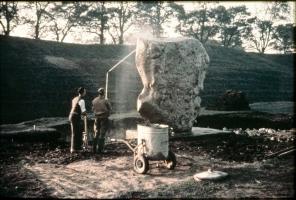
1938-39. General view of two man using a water spray to clean Stone 16 [Map] in the south west sector of the henge at Avebury, showing the inner face.
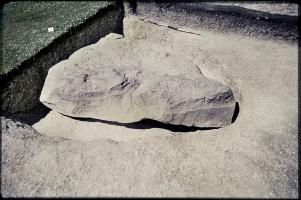
1938-39. Alexander Keiller's Slides. General view of the excavation of Stone 16 [Map] in the south west sector of the henge at Avebury.
Jean de Waurin's Chronicle of England Volume 6 Books 3-6: The Wars of the Roses
Jean de Waurin was a French Chronicler, from the Artois region, who was born around 1400, and died around 1474. Waurin’s Chronicle of England, Volume 6, covering the period 1450 to 1471, from which we have selected and translated Chapters relating to the Wars of the Roses, provides a vivid, original, contemporary description of key events some of which he witnessed first-hand, some of which he was told by the key people involved with whom Waurin had a personal relationship.
Available at Amazon in eBook and Paperback format.
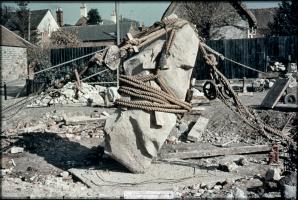
1938-39. General view of Stone 24 [Map] during its re-erection in the south west sector of the henge at Avebury.
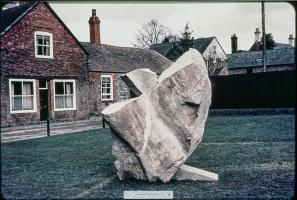
1938-39. General view after restoration of Stone 24 [Map] in the south west sector of the henge at Avebury.
1937. Avebury Outer Circle Stone 35 [Map] during re-erection.
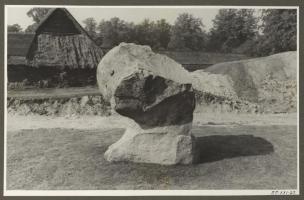

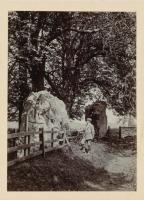
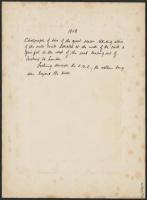
Caption on reverse of the photo: "1909. Two of the great sarsen standing stones [Avebury Outer Circle Stone 46 aka Swindon Stone [Map]] of the outer circle situated at the north of the circle a few feet to the west of the road leading out of Avebury to Swindon. Looking east-north-east, the vallum [bank] being seen beyond the trees". The person in the photo is Harold St George Gray.
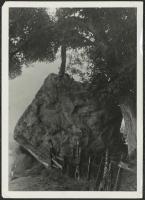
Before 1937. Avebury Outer Circle Stone 46 aka Swindon Stone [Map].
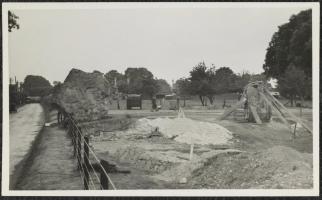
1937. Avebury Outer Circle Stone 46 aka Swindon Stone [Map] during excavation and re-erection.
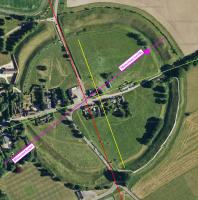
Taking the Centre of the Henge as where the lines between the entrances cross then a line drawn from the Centre to the extant stone [Map] in the north-east quadant is aligned to the Midwinter Sunset and Midsummer Sunrise - the magenta line on the Schematic.