

Bridgnorth, Shropshire is in Shropshire.
Anglo-Saxon Chronicle. 912. This year died Ethered, alderman of Mercia; and King Edward [aged 38] took to London, and to Oxford, and to all the lands that thereunto belonged. This year also came Ethelfleda [aged 42], lady of the Mercians, on the holy eve called the invention of the holy cross, to Shergate, and built the fortress there, and the same year that at Bridgenorth [Map].
Anglo-Saxon Chronicle. 1126. All this year was the King Henry [aged 58] in Normandy-all till after harvest. Then came he to this land, betwixt the Nativity of St. Mary [8th September 1126] and Michaelmas [29th September 1126]. With him came the queen [aged 23], and his daughter [aged 23], whom he had formerly given to the Emperor Henry of Lorrain to wife. And he brought with him the Earl Waleram [aged 22], and Hugh, the son of Gervase [aged 28]. And the earl he sent to Bridgenorth [Map] in captivity: and thence he sent him afterwards to Wallingford, Oxfordshire [Map]; and Hugh to Windsor Castle [Map], whom he ordered to be kept in strong bonds.
In July 1155 Roger Fitzmiles 2nd Earl Hereford [aged 30] and King Henry "Curtmantle" II of England [aged 22] were in Bridgnorth, Shropshire [Map].
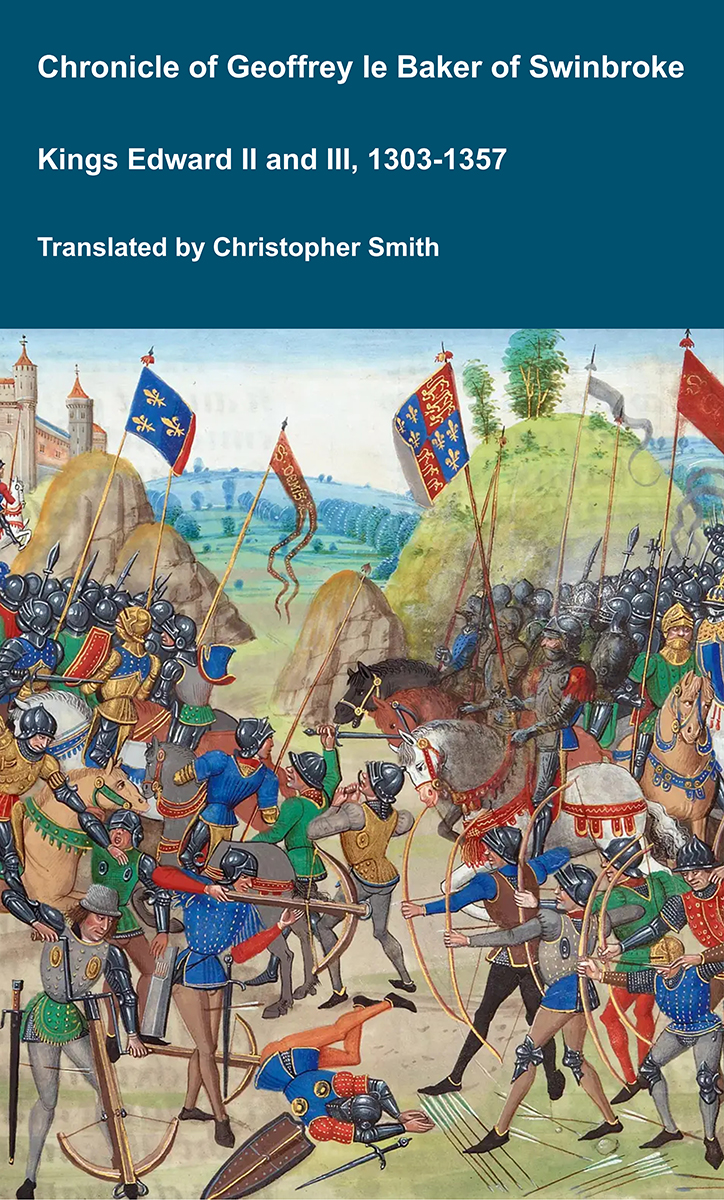 Chronicle of Geoffrey le Baker of Swinbroke. During the following Nativity of the Savior, the king, having celebrated Christmas at Cirencester, gathered an army and marched toward the Welsh Marches. On his way, he turned toward Gloucester, which had been occupied by certain barons prepared for rebellion. From there, he advanced through Worcester to Bridgnorth [Map],1 where the castle was defended for some time but was ultimately taken by the king through a vigorous assault. Some of the castellans were killed, while others fled and were outlawed, with their possessions confiscated wherever they were found within the king's domain. Afterward, as the king proceeded to Shrewsbury, both Roger Mortimers [Roger de Mortimer of Wigmore and his namesake] submitted themselves to the reverence and peace of the royal majesty, upon which the king had them sent to the custody of the Tower of London. Maurice de Berkeley and Hugo de Audley, who had also surrendered to the king in the same manner as the Mortimers, were imprisoned in Wallingford Castle. The Earl of Hereford, Gilbert Talbot, Roger Damory, and all their allies withdrew to the Earl of Lancaster, who was awaiting them in the northern region.
In sequenti Nativitate Salvatoris rex, Cirencestrie celebrato Natali, cum exercitu collecto tendens in marchiam Wallie, declinavit Gloverniam, per quosdam barones paratos rebellioni ocupatam, per Wigorniam ad Briggenorthe dirigens exercitum, ubi, castro per tempus aliquot defenso set tandem per regem viriliter expugnato, castellanorum quibusdam occisis, quosdam fugatos utlagiavit et eorum possessiones ubicumque in suo regno repertas confiscavit. Exinde Salopiam rege progresso, uterque Rogerus de Mortuo mari ad reverenciam et pacem regie magestatis se offerebat, quos turris Londoniarum custodie rex transmisit. Mauricium vero de Berkleye et Hugonem Daudeleye, ad instar illorum de Mortuo mari regi subiectos, castro Walingfordie destinavit. Comes Herefordie, Gilbertus Talbot, Rogerus Damori, et omnes alii eiis aderentes ad comitem Lancastrie, in plaga boriali ipsos expectantem, se transtulerunt.
Note 1. Edward was at Worcester on the 4th January 1322. Bridgnorth was burnt by the barons' party. The king reached Shrewsbury in the middle of the month.
Before 15th January 1322 Bartholomew Badlesmere 1st Baron Badlesmere [aged 46] occupied and burned the town at Bridgnorth, Shropshire [Map].
On 8th December 1498 Edmund Cornwall 7th Baron Burford [aged 50] died at Bridgnorth, Shropshire [Map]. His son Thomas [aged 31] succeeded 8th Baron Burford of Burford in Shropshire.
In 1542 Edward Hall [aged 46] was elected MP Bridgnorth.
In 1545 Edward Hall [aged 49] was elected MP Bridgnorth.
In October 1553 George Blount [aged 40] was elected MP Bridgnorth.
In 1559 George Blount [aged 46] was elected MP Bridgnorth.
In 1563 Edward Cordell [aged 27] was elected MP Bridgnorth.
In 1571 Henry Townshend [aged 34] was elected MP Bridgnorth.
In 1572 Henry Townshend [aged 35] was elected MP Bridgnorth.
In 1661 William Whitmore 2nd Baronet [aged 23] was elected MP Bridgnorth which he held until his death in 1699.
In July 1702 Humphrey Briggs 4th Baronet [aged 32] was elected MP Bridgnorth unopposed. He was re-elected in 1705 and 1708. He was defeated in 1710.
The River Severn rises on Plynlimon [Map] after which it passes Llanidloes [Map], Caersws [Map], Welshpool [Map], Crew Green [Map], Shrawardine, Shropshire [Map], Shrewsbury, Shropshire [Map], Wroxeter, Shropshire [Map], Coalport, Shropshire [Map], Bridgnorth, Shropshire [Map], Bewdley, Worcestershire [Map], Stourport-on-Severn, Worcestershire [Map] to Worcester, Worcestershire [Map]
From Worcester the rivers flows through Upton-upon-Severn, Worcestershire [Map] to Tewkesbury, Gloucestershire [Map] where it is joined by the Warwickshire River Avon, Gloucester [Map] becoming the Severn Estuary around Thornwell, Monmouthshire [Map].
George Hayward resided at Bridgnorth, Shropshire [Map].
1101. Bridgnorth Bridge [Map] was commissioned around 1101 by Robert de Belleme [aged 45], when the town of Bridgnorth was established in Shropshire. The fortified bridge had a gatehouse and a chapel, and was a key crossing over the River Severn. It was rebuilt in 1823, and only fragments of masonry now survive.
Chronicle of Walter of Guisborough
A canon regular of the Augustinian Guisborough Priory, Yorkshire, formerly known as The Chronicle of Walter of Hemingburgh, describes the period from 1066 to 1346. Before 1274 the Chronicle is based on other works. Thereafter, the Chronicle is original, and a remarkable source for the events of the time. This book provides a translation of the Chronicle from that date. The Latin source for our translation is the 1849 work edited by Hans Claude Hamilton. Hamilton, in his preface, says: 'In the present work we behold perhaps one of the finest samples of our early chronicles, both as regards the value of the events recorded, and the correctness with which they are detailed; Nor will the pleasing style of composition be lightly passed over by those capable of seeing reflected from it the tokens of a vigorous and cultivated mind, and a favourable specimen of the learning and taste of the age in which it was framed.'
Available at Amazon in eBook and Paperback format.

1799. Drawing of Bridgnorth Bridge [Map].

Before 1839. John Thirtle [aged 61]. "Bridgnorth [Map]".
Bridgnorth Castle [Map]. Around 1101 Robert II Belleme 2nd Count Ponthieu 3rd Earl of Shrewsbury [aged 45] founded Bridgnorth Castle [Map].
Anglo-Saxon Chronicle. 1102. In this year at the Nativity was the king Henry [aged 34] at Westminster, and at Easter in Winchester, Hampshire [Map]. And soon thereafter arose a dissention between the king and the Earl Robert of Belesme [aged 46], who held in this land the earldom of Shrewsbury, that his father, Earl Roger, had before, and much territory therewith both on this side and beyond the sea. And the king went and beset the castle at Arundel [Map]; but when he could not easily win it, he allowed men to make castles before it, and filled them with his men; and afterwards with all his army he went to Bridgenorth, and there continued until he had the castle [Map], and deprived the Earl Robert [aged 51] of his land, and stripped him of all that he had in England. And the earl accordingly went over sea, and the army afterwards returned home. Then was the king thereafter by Michaelmas at Westminster; and all the principal men in this land, clerk, and laity.