

Chronicle of Walter of Guisborough
A canon regular of the Augustinian Guisborough Priory, Yorkshire, formerly known as The Chronicle of Walter of Hemingburgh, describes the period from 1066 to 1346. Before 1274 the Chronicle is based on other works. Thereafter, the Chronicle is original, and a remarkable source for the events of the time. This book provides a translation of the Chronicle from that date. The Latin source for our translation is the 1849 work edited by Hans Claude Hamilton. Hamilton, in his preface, says: 'In the present work we behold perhaps one of the finest samples of our early chronicles, both as regards the value of the events recorded, and the correctness with which they are detailed; Nor will the pleasing style of composition be lightly passed over by those capable of seeing reflected from it the tokens of a vigorous and cultivated mind, and a favourable specimen of the learning and taste of the age in which it was framed.'
Available at Amazon in eBook and Paperback format.
First Baron's War is in 1216-1229 Henry III Accedes.
In 1217 William Cantilupe Baron [aged 58] was present at the Siege of Mountsorrel Castle.
Before May 1217 Nichola de la Haie [aged 67] held Lincoln Castle against the besiegers led by Prince Louis.
On 20th May 1217 William Marshal 1st Earl Pembroke [aged 71] and Ranulf de Blondeville Gernon 6th Earl Chester 1st Earl Lincoln [aged 47] fought at Lincoln, Lincolnshire [Map] during the Second Battle aka Lincoln's Fair.
Rebels William Mowbray 6th Baron Thirsk [aged 44] and William Ros [aged 17] were captured. William de Albini [aged 66] fought for the rebels. Thomas Chateaudun I Count Perche [aged 22] died fighting for the rebels.
Bishop Peter de Roches led a division of the royal army and earned some distinction by his valour.
In 1207 William Cantilupe Baron [aged 48] was present at the Second Battle aka Lincoln's Fair.
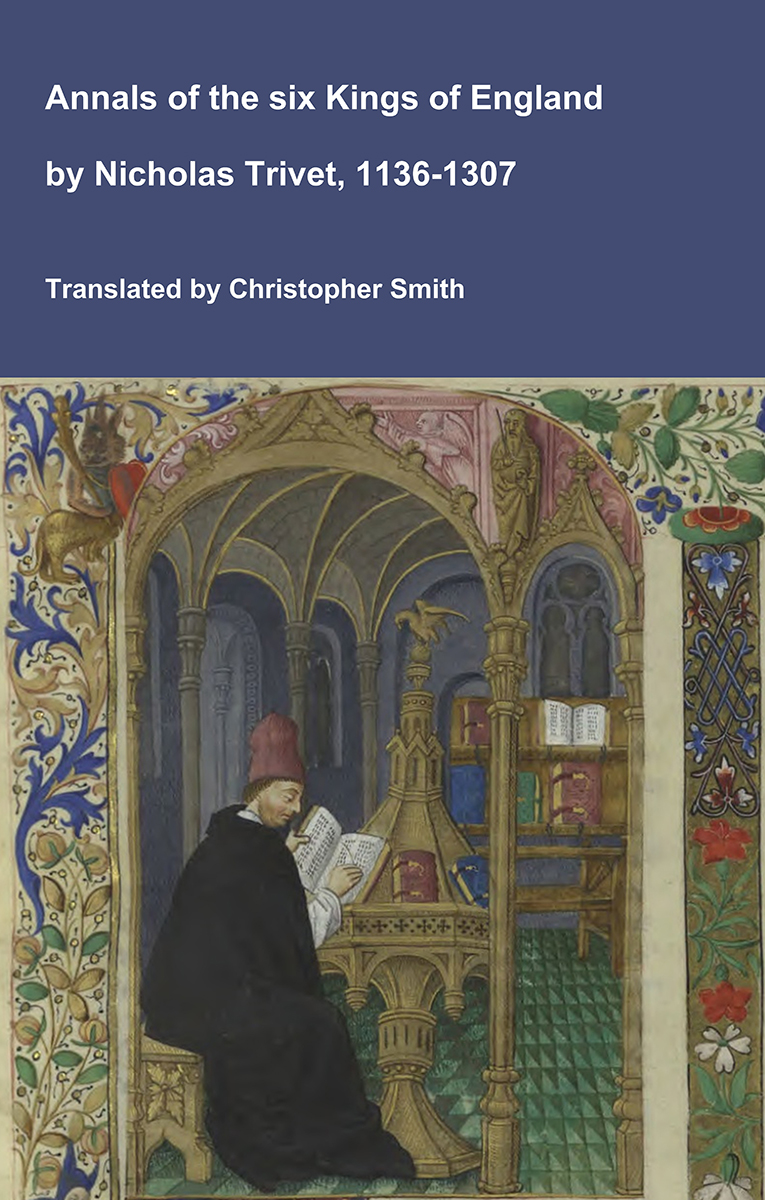 Annals of Six Kings of England by Nicholas Trivet. 1217. After the expiry of the truce, Louis VIII of France, returning to England and landing at Dover, laid siege to its castle; but, his efforts frustrated, he advanced as far as the notable castle of Windsor Castle. When he made no progress in taking it, he arranged his forces and marched with a strong army towards Lincoln. On the Saturday [20th May 1217] in the week of Pentecost, the army of the young king Henry III of England, having in a short time been greatly increased, came upon Louis at Lincoln and offered battle. Thus, near the city, a very fierce engagement was fought, and by divine favour the victory and triumph fell to the young King Henry, while Louis and his men fled. About four hundred French knights are said to have been slain, among whom fell that noble count Thomas of Perche, who, being related through his sister to the emperor Otto IV, Holy Roman Emperor and thus kinsman to both the kings of France and England, ought rather to have pursued peace than war, instead of disinheriting his own blood. It is also reported that fifty-two knights of Louis's party were taken prisoner, among whom was Gilbert de Clare, a renowned man, whom William Marshal, 1st Earl of Pembroke captured and had taken to Gloucester to be held in custody; later, when affairs were settled and peace restored, he gave him his daughter Isabella in marriage. A few days after this battle, Louis's naval force was destroyed by the English. It was commanded by Eustace the Monk, once, it is said, a monk, who, as befitted an apostate, showed his inconstancy by frequently passing from one king to another, and, as though turned from monk into a demon, was full of deceit and treachery. His head, once cut off, was carried about various parts of England upon a stake.
1217. Post lapsum treugarum Lodovicus in Angliam rediens, et applicans Dovoriæ, castrum ejus obsedit; sed intentione frustratus, usque Windelesoram castrum insigne contendit. Quod cumad capiendum non proficeret, ordinatis dietis cum exercitu valido versus Lincolniam dirigit iter suum. Sabbato vero in hebdomada Pentecostes, exercitus regis juvenis, brevi tempore vehementer auctus, Lodovico in Lincolnia existentisuperveniens bellum indixit. Igitur juxta civitatem gravissimo conserto prælio nutu Divino juveni regi Henrico cessit victoria et trumphus, fugiente Lodovico nempe cum suis. Interfecti sunt de Gallicis milites ut fertur quadringenti, inter quos cecidit nobilis ille comes Thomas de Perticis, quem cum ex sorore Othonis imperatoris utriusque regis Francorum scilicet et Anglorum consanguineus esset, paci potius quam bello, in exheredationem sanguinis, decuerat studuisse. Feruntur etiam captivati quinquaginta duo milites de complicibus Lodovici, de quorum numero erat Gilbertus de Clare, vir inclytus, quem cepit Willelmus Marescalli, et Gloverniam deduci fecit custodiæ mancipandum; cui postea, sedatis rebus paceque reflorente, Isabellam filiam suam matrimonio copulavit. Lapsis post hoc prælium diebus paucis, cæsus est ab Anglicis navalis exercitus Lodovici. Huic præerat Eustachius quondam ut fertur monachus, qui ut decebat apostatam, suam ostendens inconstantiam, sæpe de uno rege transiit ad alium, et tanquam de monacho factus dæmoniacus, dolo et perfidia plenus fuit; cujus caput abscissum, delatum est per diversa loca Angliæ super palum.
Annals of Tewkesbury. [20th May 1217] While barons were besieging Lincoln Castle, the Marshal was sent as a legate with a strong army. They went there and, breaking in, clashed with the barons. The Count of Perche1 was killed, and about forty barons and Frenchmen were captured, along with about three hundred knights and more. The number of servants is unknown, and the city was given over to plunder2 on the feast of St. Athelbert, the Saturday of Pentecost.
Baronibus obsidentibus castrum Lincolniæ, legatus est Marescallus et robur exercitus; iverunt illuc, et irrumpentes congressi sunt cum baronibus; et occiso comite de Pertico, capti sunt barones et Franci, de magnatibus circiter xl., de militibus ccc. et eo amplius; de servientibus ignoratur numerus, et civitas data est in direptionem die Sancti Athelberti, sabbato Pentecostes.
Note 1. Thomas, Count of Perche. Son of Geoffrey III, Count of Perche.
Note 2. Euphemistically known as "Lincoln's Fair".
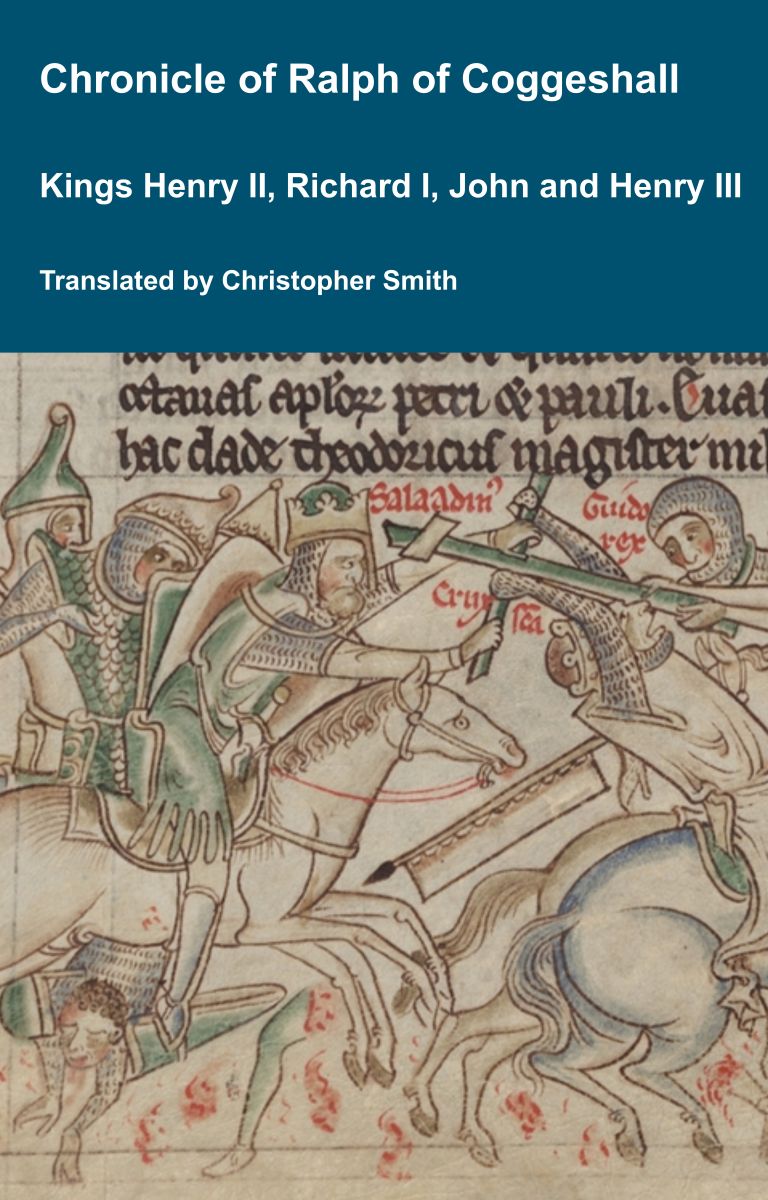 Chronicum Anglicanum by Ralph Coggeshall. In the year of grace 1217, Louis crossed back from England to seek greater aid; and meanwhile many nobles who had adhered to him were brought back to the king's allegiance through the persuasion of the legate and the bishops. When Louis returned, he again besieged Dover, but in vain. For the barons and knights who favoured him, as they went with a great army to Lincoln, plundering much along the way, were captured at Lincoln1 on the vigil of the Holy Trinity, which that year fell on the 20th of May, and they were led away captive by the king's men, who remained steadfastly loyal to John, and were heavily ransomed. The Count of Perche too was killed there with many others. This capture was directed by the legate Guala, together with the earls and with Falkes [de Bréauté]. When Louis heard of this misfortune, he abandoned the siege of Dover and came to London, awaiting in vain aid from overseas. At length the chief barons of France, along with a certain Eustace, once a monk, having prepared a great fleet, namely, sixty ships, set out to come to England to aid Louis, with a multitude of armed men. But lord Hubert de Burgh, constable of Dover and justiciar of the king, went out to meet them at sea with a host of armed men and ships from the Cinque Ports, and Eustace, the leader of the rest, was slain, he being the first to join battle with his ship; and all who were in that ship were captured, some drowned. Thus the Lord smote the heads of His enemies who came to scatter the English people; and many others were captured with their ships, and brought back as prisoners; and upon some of those fleeing the Lord brought back the waters of the sea, and they sank like lead in the mighty waters. And so Almighty God, not fighting with numbers, shattered the strength of the enemy, and His right hand was glorified in His people.
Anno gratiæ MCCXVII, Lodowicus transfretavit ab Anglia pro majori succursu; et interim multi nobiles qui ei adhæserant, conversi sunt ad fidelitatem regis per suggestionem legati et episcoporum. Reversus autem Lodowicus, iterum obsedit Dovere, sed frustra. Nam barones et milites qui ei favebant, cum magno exercitu Lincolniam adeuntes, et in itinere multa rapientes, capti sunt apud Lincolniam in vigilia Sanctæ Trinitatis, quæ tunc temporis evenit xiii. kalendas Junii, et ducti sunt captivi a regalibus qui firmiter Johanni adhæserant, ac graviter redempti. Comes etiamn de Pertico ibidem cum pluribus interfectus est. Huic captioni præfuit Guale legatus, cum comitibus et Falcone. Quod infortunium audiens Lodowicus, recessit ab obsidione de Dovere, et venit Londoniam, succursum transmarinum frustra exspectans. Tandem majores Franciæ barones, cum quodam Eustachio quondam monacho, patrato maximo navigio, scilicet LX navibus, iter aggrediuntur veniendi in Angliam in succursum Lodowici, cum multitudine armatorum. Sed dominus Hubertus de Burch, constabularius Dovere et justitiarius regis, cum multitudine armatorum et navium de Quinque-portubus, processit eis obviam in mari, et interfectus est Eustachius ductor cæterorum, qui primus cum sua navi congressus est, atque omnes capti sunt qui in navi illa fuerunt, partim submersi. Atque ita Dominus percussit capita inimicorum suorum venientium ad dispergendum gentem Anglicanam, et capti sunt plures cum cæteris navibus, et captivi adducti; et reduxit Dominus super quosdam eorum diffugientes aquas maris, et submersi sunt quasi plumbum in aquis vehementibus. Et sic Deus Omnipotens, non in multitudine dimicans, hostium contrivit fortitudinem, et dextera sua glorificata est in populo suo.
Note 1. The Second Battle of Lincoln, euphemistically known as "Lincoln's Fair". : "While barons were besieging Lincoln Castle, the Marshal was sent as a legate with a strong army. They went there and, breaking in, clashed with the barons. The Count of Perche was killed, and about forty barons and Frenchmen were captured, along with about three hundred knights and more. The number of servants is unknown, and the city was given over to plunder on the feast of St. Athelbert, the Saturday of Pentecost."
| Ne fist mie grant demorée; ' | He made no long delay, | 16605 |
| & quant il ot sa teste armée | and when he had armed his head, | |
| Sor trestoz les autres fu bels, | he was fair above all the others, | |
| Si trés legiers come uns oisels, | as light as a bird, | |
| Esperviers ne al[erions]. | a sparrowhawk or a merlin. | |
| Feri le cheval d'esperons. | He struck his horse with his spurs. | 16610 |
| Dés uimés velt que Len le veie. | From then on he wished to be seen. | |
| Lions famillos sor sa preie, | A hungry lion upon its prey, | |
| Quant soz sei la trueve abandon, | when it finds it abandoned beneath him, | |
| Ne vient unques de tel randon | never comes with such a rush | |
| Cum li Mar., ce m'est vis, | as the Marshal, it seems to me, | 16615 |
| Corut sore a ses anemis. | ran upon his enemies. | |
| Cil qui des proeces fist tantes. | He who performed so many feats of prowess, | |
| Plus que la longor de treis hantes; | more than the length of three lances, | |
| S'enbati en lor grant espeisse, | broke into their great press, | |
| Si qu'a force les deespeisse | so that by force he scattered them | 16620 |
| E derront avant sei la presse | and broke the crowd before him, | |
| Qui molt ert espresse & empresse | which was very close and tightly packed. | |
| Bien sout fere avant lui la veie, | He knew well how to make a way before him, | |
| Que toz les desrote e de[s]veie. | for he routed them all and threw them into confusion. | |
| Li evesques aprés ala | The bishop went after him, | 16625 |
| Qui a haute voiz s'escría | crying out in a loud voice | |
| Plusors feiz amont e aval: | many times, up and down, | |
| "Ca! Dex aie al Mar.!" | "Here, God aid the Marshal!" | |
| Més d'itant dui aveir mespris | But in this they must have erred, | |
| Qu'el venir des noz fu ocis | that at the coming of our men was killed | 16630 |
| [Li] lor plus mestre perreior, | their chief stone-thrower, | |
| Cil qui perreiot a la tor, | the man who was casting stones at the tower. | |
| Cil, quant il vit noz chevaliers, | When he saw our knights, | |
| Si em fu plus bauz & plus fiers, | he became all the bolder and fiercer, | |
| Qu'il quida ce fuissent des suens. | for he thought they were his own men. | 16635 |
| Si li sembla li gius plus buens. | So the game seemed better to him. | |
| Lors mist la pierre en la perriére | Then he put the stone in the stone-thrower, | |
| E cil qui li érent derriére, | and those who were behind him, | |
| Si comme il out dit deus feiz: "é!" | when he had said twice, "Heave!" | |
| Le firent faillir a l'autre "é," | made him fail at the next "Heave!", | 16640 |
| Car il li coupérent la teste, | for they cut off his head, | |
| N'unques n'en firent autre feste. | and made no further ceremony of it. |
| Li genvles Mar. por veir | The young Marshal, in truth, | |
| Fist bien a toz aparceveir | made it plain for all to see | |
| Qu'il ne voleit pas estre ariére, | that he did not wish to be behind, | 16645 |
| Car toz dis esteit sa baniére | for his banner was always | |
| El premier front devant veüe; | seen in the first rank in front, | |
| Bien i fu le jor con[e]üe. | and that day it was well recognised. | |
| Nos genz vindrent molt durement, | Our men came on very fiercely, | |
| E cil molt angosusement | and those men, in great distress, | 16650 |
| Se coumenciérent a defendre, | began to defend themselves, | |
| Més n'i voldrent pas trop atendre. | but they did not wish to wait there long. | |
| N'i aveit mot del manescier. | There was no word of threatening. | |
| Quant son héalme fist lacier | When the Marshal had | |
| Li Mar., por verité, | his helmet laced on, | 16655 |
| Entra sis filz en la cité | his son entered the city, | |
| Par la breque o plenté de[s] suens, | through the breach with many of his men, | |
| Dont il i ot asez de buens | among whom there were many good ones, | |
| E molt entor lui seü | and very securely around him | |
| La gent trova de la | he found the people there, | 16660 |
| Qui plus esteient bels d'assez, | who were far finer, | |
| Cartrop eni ot amassez | for there were too many gathered there | |
| De cels qui en la cité érent | of those who were in the city, | |
| Plus que de cels qui i entrérent, | more than of those who entered there. | |
| Més il lor corut tantost sore. | But he ran upon them at once. | 16665 |
| Si vos di [bien] en molt poi d'ore | So I tell you truly, in a very short time, | |
| Orent cels dedenz molt quassez, | they had greatly battered those within, | |
| Més fait i out d'armes asés | but there were many deeds of arms done | |
| Entre tant d'ambedeus parties. | meanwhile on both sides. | |
| Ainz qu'il venist as departies | Before it came to the separation, | 16670 |
| En orent cil de la cité | those of the city | |
| Le pis parti, c'est verité, | had the worse part, this is true, | |
| Car je vos di que tote veie | for I tell you that all the while | |
| Les mist cil par force a la veie | he forced them onto the road, | |
| Qui esteit gienvles Mar.; | he who was the young Marshal. | 16675 |
| & li péres qui vit grant dals | And his father, who saw great damage, | |
| E li buens cuens de Salesbére, | and the good Earl of Salisbury, | |
| À cui Damlnedex e sa mére | to whom the Lord God and his mother | |
| Otreit issi buen guer[re]don | grant so good a reward | |
| Qu'il ait de ses pecch[i]ez pardon, | that he may have pardon for his sins, | 16680 |
| Icist dui tornérent a destre | these two turned to the right | |
| E si laissiérent a senestre | and left on the left | |
| Un mostier & lor gent trovérent, | a church, and found their men, | |
| Dunt grant: partie ileques érent | of whom a great part were there | |
| En grant peor & en esmai, | in great fear and dismay. | 16685 |
| Si que Rob. de Ropelai | So Robert de Roppeley | |
| Prist une lance por joster:. | took a lance to joust, | |
| Que que il li d[e]üst coster, | whatever it might cost him, | |
| Si durement feri le conte | and struck the Earl | |
| De Salesbire, c'est al conte, | of Salisbury so hard, this is the tale, | 16690 |
| Que sa lance en pieces bruissa. | that his lance broke in pieces. | |
| A itant utre s'en passa. | With that he passed on beyond. | |
| Al retor, en son revenir, | On the return, as he came back, | |
| Li Mar. de tel air | the Marshal with such force | |
| Entres espalles le feri | struck him between the shoulders | 16695 |
| Si que par poi ne l'abati. | that he nearly knocked him down. | |
| Cil qui tot a le mescheeir | He, who was wholly in misfortune, | |
| Se la[i]ssa a terre chaeir. | let himself fall to the ground. | |
| Por la poor s'ala muchier, | Out of fear he went to hide, | |
| À l'einz qu'il pout, en un solier, | as soon as he could, in an upper room, | 16700 |
| Car il n'osa remeindre a terre. | for he did not dare remain on the ground. | |
| Ne voldrent atendre a lui guere, | They did not wish to wait for him long, | |
| Me[s] por teser avant passérent. | but passed on ahead to seek battle. | |
| Le conte de Perche trovérent | They found the Count of Perche | |
| Asez prés devant le mostier | quite near before the church, | 16705 |
| Molt orguillos & molt trés fier. | very proud and very fierce. | |
| Molt esteit bels & granz & genz | He was very handsome, tall and noble, | |
| E molt:eut grant plenté de genz. | and had a very great number of men. | |
| Molt durement se defendirent, | They defended themselves very fiercely, | |
| Et li nostre molt entendirent | and our men strove very hard | 16710 |
| À els grever de grant puissance, | to harm them with great force, | |
| Car molt haeient cels de France. | for they greatly hated those of France. |
On 24th August 1217 Hubert de Burgh Count Mortain 1st Earl Kent [aged 47] commanded the King's forces at Sandwich, Kent [Map] during the Battle of Sandwich aka Dover. French re-enforcements had left Calais to join with the future Prince Louis's [aged 29] forces who were in short supply following the Second Battle aka Lincoln's Fair. Hubert Burgh's men routed the French ships. The battle marked the end of Prince Louis's invasion with the Treaty of Kingston aka Lambeth being signed shortly afterwards.
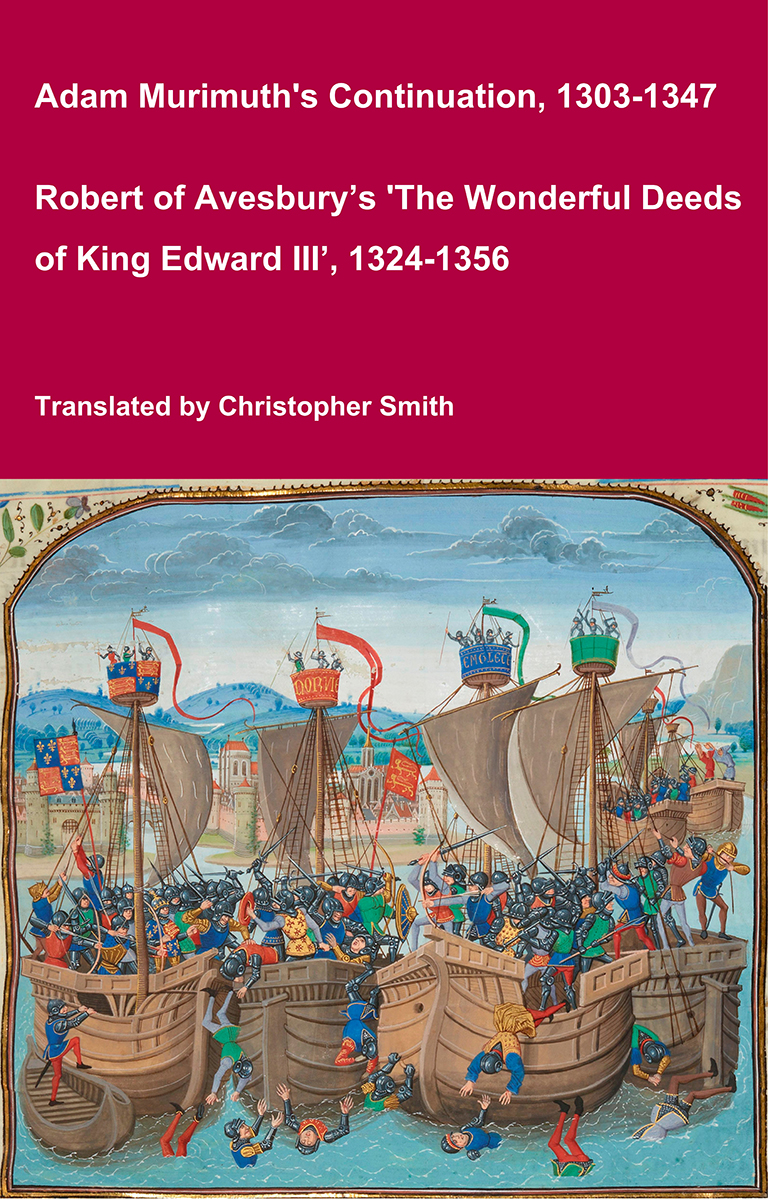
Adam Murimuth's Continuation and Robert of Avesbury’s 'The Wonderful Deeds of King Edward III'
This volume brings together two of the most important contemporary chronicles for the reign of Edward III and the opening phases of the Hundred Years’ War. Written in Latin by English clerical observers, these texts provide a vivid and authoritative window into the political, diplomatic, and military history of fourteenth-century England and its continental ambitions. Adam Murimuth Continuatio's Chronicarum continues an earlier chronicle into the mid-fourteenth century, offering concise but valuable notices on royal policy, foreign relations, and ecclesiastical affairs. Its annalistic structure makes it especially useful for establishing chronology and tracing the development of events year by year. Complementing it, Robert of Avesbury’s De gestis mirabilibus regis Edwardi tertii is a rich documentary chronicle preserving letters, treaties, and official records alongside narrative passages. It is an indispensable source for understanding Edward III’s claim to the French crown, the conduct of war, and the mechanisms of medieval diplomacy. Together, these works offer scholars, students, and enthusiasts a reliable and unembellished account of a transformative period in English and European history. Essential for anyone interested in medieval chronicles, the Hundred Years’ War, or the reign of Edward III.
Available at Amazon in eBook and Paperback format.
In September 1217 Treaty of Kingston aka Lambeth was agreed by King Louis VIII of France [aged 29] in which he renounced his claim to the English throne, gave an amnesty to English rebels and acknowledged the Channel Islands as being part of the Kingdom of England.