Chronicle of Abbot Ralph of Coggeshall

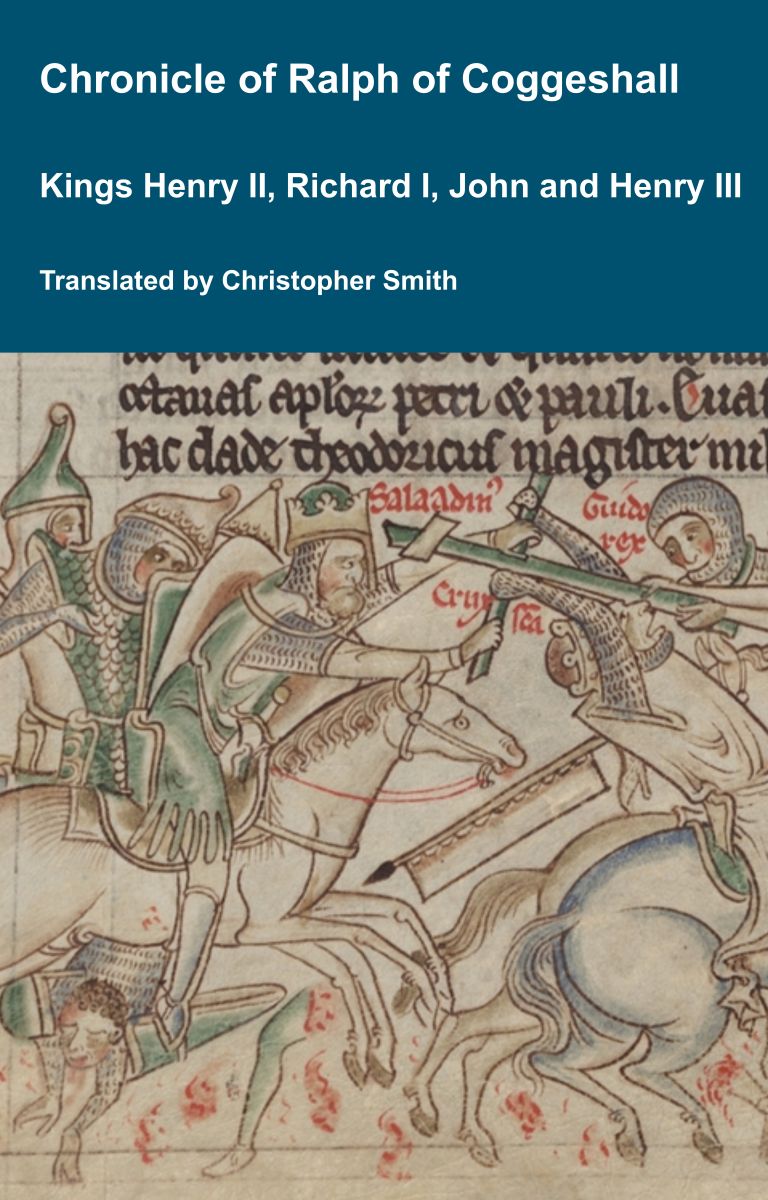
The Chronicle of Abbot Ralph of Coggeshall (Chronicon Anglicanum) is an indispensable medieval history that brings to life centuries of English and European affairs through the eyes of a learned Cistercian monk. Ralph of Coggeshall, abbot of the Abbey of Coggeshall in Essex in the early 13th century, continued and expanded his community’s chronicle, documenting events from the Norman Conquest of 1066 into the tumultuous reign of King Henry III. Blending eyewitness testimony, careful compilation, and the monastic commitment to record-keeping, this chronicle offers a rare narrative of political intrigue, royal power struggles, and social upheaval in England and beyond. Ralph’s work captures the reigns of pivotal figures such as Richard I and King John, providing invaluable insights into their characters, decisions, and the forces that shaped medieval rule. More than a simple annal, Chronicon Anglicanum conveys the texture of medieval life and governance, making it a rich source for scholars and readers fascinated by English history, monastic authorship, and the shaping of the medieval world.

Available at Amazon in eBook and Paperback format.

Bishop Stephen of Gravesend -1338

Annales Paulini. In the same year, on the feast of St Bartholomew [24th August 1318], Master Richard de Newport, Bishop of London, died suddenly at Ilford, in the house of the vicar of that place, and was immediately carried from there by night to Stepney. In the same year, on the Sunday, namely the third day before the Nones [3rd] of September, the aforesaid cardinals excommunicated Robert Bruce and all the Scots from the pulpit of St Paul's, and caused a certain formal sentence issued against them by a Dominican friar to be publicly proclaimed and explained there to the people in English. On the Monday, the third day before the Ides [11th] of September, the cardinals departed from London with a great company of horsemen, heading towards the sea. On that same Monday, Master Stephen de Gravesend was elected Bishop of London.

Eodem anno, die Sancti Bartholomæi, obiit magister Ricardus de Neuport, episcopus Londoniensis, apud Ylleford, ad domum vicarii ejusdem loci, subito; et statim ab illo loco apud Stebbenhethe noctanter delatus est. Eodem anno, die Dominica, scilicet iii nonas Septembres, prædicti cardinales excommunicaverunt in pulpito Sancti Pauli Robertum de Brus et omnes Scotos, et quendam processum contra eos factum per quendam fratrem Prædicatorem coram populo fecerunt ibidem in Anglico pupplicari et exponi. Et die Lunæ, III idus Septembres, recesserunt cardinales de Londoniis cum multitudine equitantium versus mare. Et eodem die Lunæ, magister Stephanus de Gravesende electus fuit in episcopum Londoniensem.

On 1st September 1318 Bishop Stephen of Gravesend was elected Bishop of London.

Annales Paulini. In the same year, on the Friday immediately after the feast of All Saints [3rd November 1318], Stephen de Gravesend, Bishop-elect of London, was confirmed by the Archbishop of Canterbury at Bourne in the diocese of Lincoln. On the Sunday immediately following the feast of St Hilary [13th January], he was consecrated at Canterbury by the same archbishop, at the request of the magnates, namely the Earls of Hereford and Pembroke and others, because there was some disagreement between the aforesaid archbishop and the bishop-elect.

Eodem anno die Veneris proxima post festum Omnium Sanctorum, Stephanus de Gravesende, electus Londoniensis, a domino archiepiscopo Cantuariensi confirmatus fuit apud Burgam Lincolniensis diocesis; et Dominica proxima post festum Sancti Hillarii consecratus fuit apud Cantuariam ab eodem archiepiscopo, ad preces magnatum, videlicet comitum Herfordiæ et Panbroke et aliorum, eo quod aliquantulum discordiæ erat inter præfatum archiepiscopum et dominum electum.

Annales Paulini. In the same year, on the fifteenth day before the Kalends of October [17th September 1319], the clerks of the king's Exchequer left London for York with twenty-one carts carrying the rolls and Domesday Book. In the same year, on the Sunday following the feast of St Michael [30th September], Stephen de Gravesend, Bishop of London, was enthroned in St Paul's Cathedral in London. On the feast of the Apostles Simon and Jude [28th October], Thomas de Cobham [aged 51], Bishop of Worcester, was enthroned at Worcester.

Eodem anno, XV kalendas Octobres, clerici de scaccario regis recesserunt de Lundoniis versus Eboracum, cum XXI carectis portantibus rotulos et Domesday. Eodem anno, die Dominica in crastino Sancti Michaelis, Stephanus de Gravesende episcopus Lundoniensis intronizatus fuit in ecclesia Sancti Pauli Lundoniis. Et in festo apostolorum Symonis et Judæ Thomas de Cobeham episcopus Wygorniensis intronizatus fuit apud Wigorniam.

Adam Murimuth Continuation. Also, in this year, shortly before Easter, on the 8th of April, in the year of our Lord 1338, Stephen, Bishop of London, passed away from this life. And in the same year, around the Feast of the Invention of the Holy Cross [3rd May 1338], Richard de Bynteworth was unanimously elected as his successor. He was confirmed by the Archbishop [of Canterbury] at Oxford around the Feast of the Ascension [21st May], and consecrated at Lambeth by the Bishop of Chichester around the Feast of St. John the Baptist [24th June].

Item, hoc anno, parum ante Pascha, videlicet vj. idus Aprilis, anno Domini MCCCXXXVIII, Stephanus episcopus Londoniensis ab hac luce migravit et eodem anno, circa festum Inventionis sancte Crucis, electus fuit concorditer Ricardus de Bynteworth, qui circa festum Ascensionis apud Ottefordiam fuit per archiepiscopum confirmatus, et cirea festum sancti Johannis apud Lambhuth per Cicestriensem episcopum consecratus.

On 8th April 1338 Bishop Stephen of Gravesend died.

Annales Paulini. In the year of the Lord 1338, on the sixth day before the Ides [8th April 1338] of April, Stephen de Gravesend, Bishop of London, died at Stortford, in the rector’s house. On the sixth day before the Kalends of May [26th April] he was honourably laid to rest in his cathedral church in London by the Archbishop of Canterbury, in the presence of the lord king, the two cardinals, and many bishops, abbots and priors, earls and barons. He had held the bishopric for twenty years.

Anno Domini MCCCXXXVIII, vito idus Aprilis, obiit Stephanus de Gravesende, episcopus Londoniensis, apud Storteforde, in domibus rectoris, et vt kalendas Maii honorifice traditur sepulturæ in ecclesia sua Londoniensi per archiepiscopum Cantuariensem, præsentibus domino rege, duobus cardinalibus, cum multis episcopis, abbatibus et prioribus, comitibus et baronibus; qui xx. annis sedit in episcopatu.