

On 4th September 1841 Albert Joseph Moore was born.
In December 1854 Henry Holiday [aged 15] entered the Royal Academy Schools as a probationer. His fellow students included Simeon Solomon [aged 14], Albert Moore [aged 13], William Blake Richmond [aged 12], William De Morgan [aged 15], Frederick Walker, and Marcus Stone [aged 14].


1861. Albert Joseph Moore [aged 19]. "The Mother of Sisera looked out of a Window". Model Fanny Entwhistle aka Eaton [aged 25].
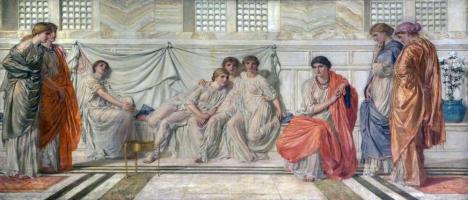
1864-1866. Albert Joseph Moore [aged 22]. "The Shulamite".
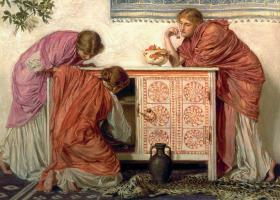
1866. Albert Joseph Moore [aged 24]. "Pomegranites".
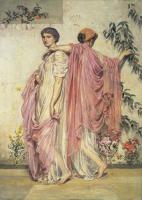
1866. Albert Joseph Moore [aged 24]. "Apricots". Shown at the Royal Academy in 1866 together with a smaller unrelated painting, 'Pomegranates', which was bequeathed to the Guildhall Art Gallery, London, by Cecil French in 1954.

1869. Albert Joseph Moore [aged 27]. "A Garden".
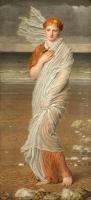
1874. Albert Joseph Moore [aged 32]. "Shells".

1875-1880. Albert Joseph Moore [aged 33]. "Canaries".
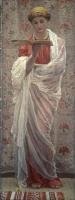
Around 1877. Albert Joseph Moore [aged 35]. "A Reader".
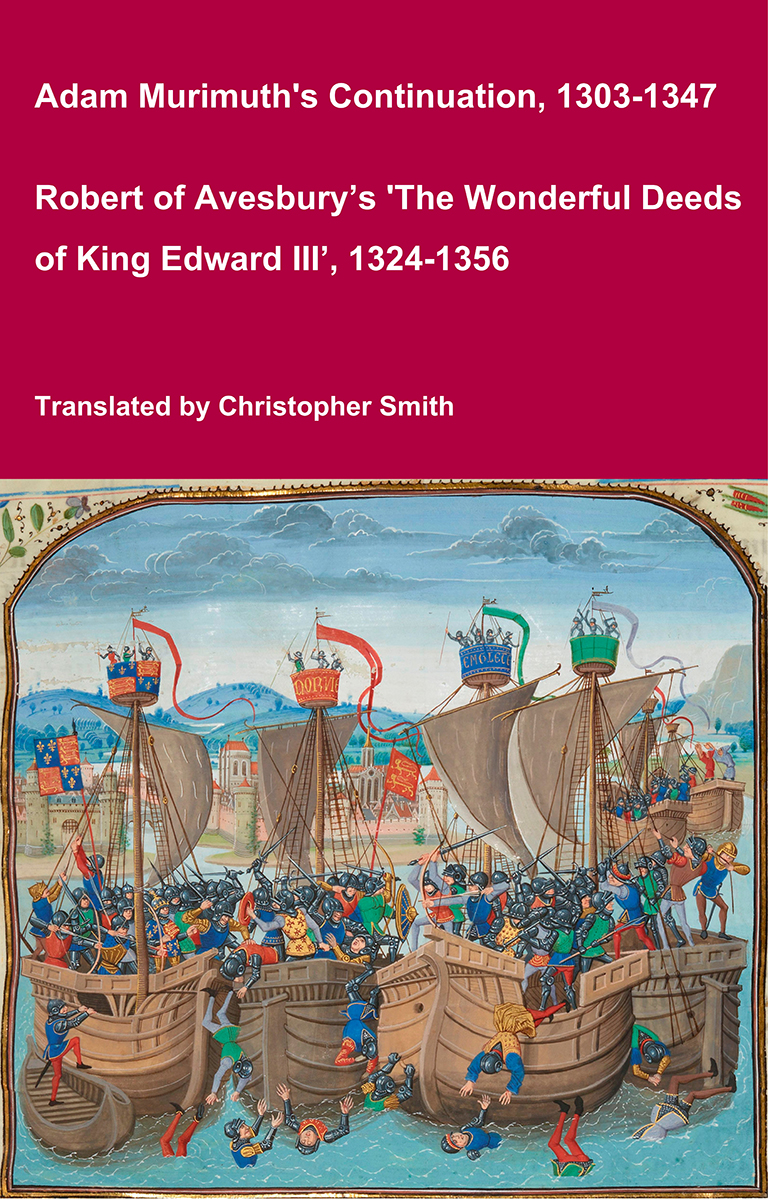
Adam Murimuth's Continuation and Robert of Avesbury’s 'The Wonderful Deeds of King Edward III'
This volume brings together two of the most important contemporary chronicles for the reign of Edward III and the opening phases of the Hundred Years’ War. Written in Latin by English clerical observers, these texts provide a vivid and authoritative window into the political, diplomatic, and military history of fourteenth-century England and its continental ambitions. Adam Murimuth Continuatio's Chronicarum continues an earlier chronicle into the mid-fourteenth century, offering concise but valuable notices on royal policy, foreign relations, and ecclesiastical affairs. Its annalistic structure makes it especially useful for establishing chronology and tracing the development of events year by year. Complementing it, Robert of Avesbury’s De gestis mirabilibus regis Edwardi tertii is a rich documentary chronicle preserving letters, treaties, and official records alongside narrative passages. It is an indispensable source for understanding Edward III’s claim to the French crown, the conduct of war, and the mechanisms of medieval diplomacy. Together, these works offer scholars, students, and enthusiasts a reliable and unembellished account of a transformative period in English and European history. Essential for anyone interested in medieval chronicles, the Hundred Years’ War, or the reign of Edward III.
Available at Amazon in eBook and Paperback format.
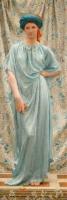
1877. Albert Joseph Moore [aged 35]. "Sapphires".

1887. Albert Joseph Moore [aged 45]. "Midsummer".
On 25th September 1893 Albert Joseph Moore [aged 52] died.