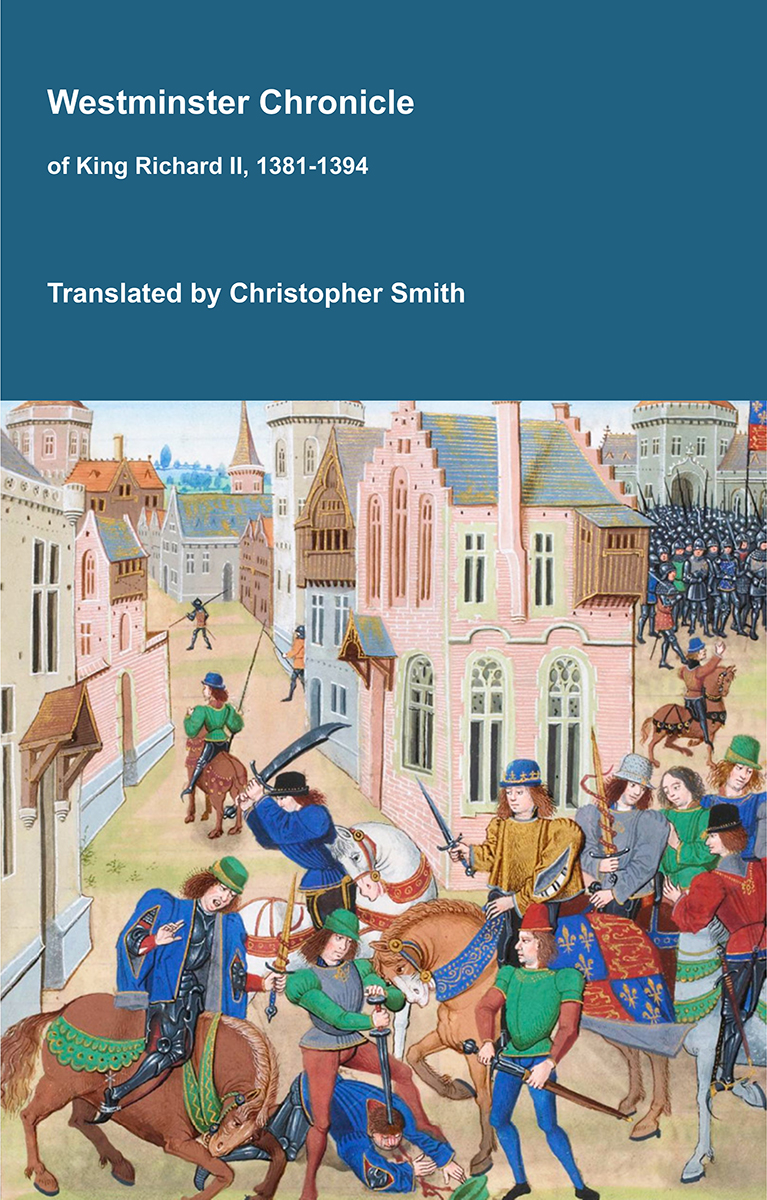
Siege of Leeds Castle

Siege of Leeds Castle is in 1320-1329 Despencer War.

On 13th October 1321 Isabella of France Queen Consort England [aged 26] was returning from Canterbury, Kent [Map] to London. She sought accommodation at Leeds Castle, Kent [Map] which was under the protection of Margaret Clare Baroness Badlesmere [aged 34] the wife of Bartholomew Badlesmere 1st Baron Badlesmere [aged 46]. Margaret Clare Baroness Badlesmere refused entry to the Queen killing around six of her retinue when they tried to force entry. King Edward II of England [aged 37] commenced the Siege of Leeds Castle. Once King Edward II of England gained possession of the castle, he had the garrison hanged from the battlements. His wife Margaret Clare Baroness Badlesmere, her five children (Margery Badlesmere Baroness Ros of Helmsley [aged 13], Maud Badlesmere Countess of Oxford [aged 13], Elizabeth Badlesmere Countess Northampton [aged 8], Giles Badlesmere 2nd Baron Badlesmere [aged 6] and Margaret Badlesmere Baroness Tibetot [aged 6]), and her nephew Bartholomew "The Elder" Burghesh 1st Baron Burghesh [aged 34], were imprisoned in the Tower of London [Map].

Life of Edward II of Carnarvan by a Monk of Bridlington. Likewise, in the same year [1321], Sir Bartholomew de Badlesmere, through his men, held Leeds Castle [Map] in Kent by force of arms against our lord the king. Before Christmas, however, the king captured it, ordered thirteen squires to be beheaded, and committed the knights and ladies found there to imprisonment.

Item, eodem anno, dominus Bartholomæus de Badelesmere per suos castellum de Ledys in Cantia contra dominum nostrum regem tenuit vi et armis; sed ante Natale Domini rex illam cepit, xiii. armigeros decollari jussit, militibus et dominabus ibidem repertis carcerali custodiæ mancipatis.

Annales Paulini. 13th October 1321. In the same year, in the fortnight following the feast of Saint Michael (i.e., around mid-October), when the lady queen [Isabella] wished to travel toward Canterbury, as it was said, she sent her messengers to the castle of Leeds to arrange for lodging during her journey. The response to her messengers was that the queen would not be admitted into the castle. Nevertheless, the queen personally came to the said castle and requested entry. A reply was made to her by the wife of Lord Bartholomew de Badlesmere [aged 46], who at that time held the castle, that she dared not open the gates or receive anyone without the permission of her lord, Bartholomew. The queen, taking great offense at this response, lodged nearby at the priory of that place. But while she lingered there for a time, six of her men were killed by those who were defending the castle. When this was heard and reported to the lord king, he was filled with no small fury and made all efforts to lay siege to and capture the said castle.

Eodem anno, in quindena Sanctæ Michaelis, cum domina regina versus Cantuariam ivisse voluisset, ut dicebatur, misit nuntios suos ad castellum de Ledes pro hospitio suo itinerando habendo; responsum fuit eisdem quod dicta regina ibidem non intraret. Hoc non obstante, regina ad dictum castellum personaliter accessit, et introitum ab illis petiit. Facta responsione per uxorem domini Bartholomæi de Badelesmere, cui dictum castellum tunc pertinuit, quod sine licentia domini Bartholomæi domini sui non ausa fuisset portas aperire nec aliquem hospitare; dicta regina spiritum indignationis super hoe concipiens, de prope ad prioratum dicti loci hospitabatur, et, dum moram aliquantulum ibidem fecisset, sex homines dicta reginm interfecti fuerunt ab illis qui dictum castellum custodiebant. Hiis auditis, et domino regi denuntiatis, rex, non minimo furore repletus, ad dictum castellum obsidendum et capiendum totis suis conatibus accessit.

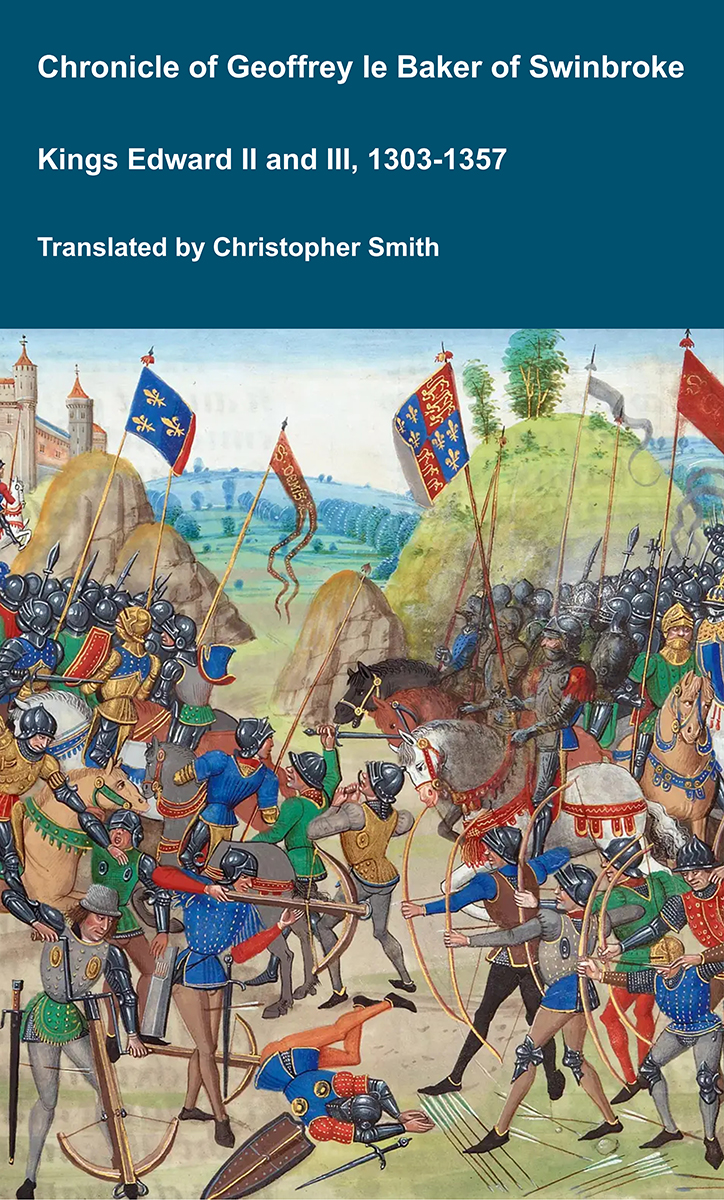
Chronicle of Geoffrey le Baker of Swinbroke. In the year 1321, around the feast of Saint Michael, when Queen Isabella [aged 26] was travelling and came to Leeds Castle in Kent,1 desiring to stay there for the night, her entry was stubbornly denied. The king, considering this rejection of the queen as an insult to himself, ordered the castle to be besieged by the local people, those from Essex, and some Londoners. The castle was held by Bartholomew de Badlesmere [aged 46], who had left behind his wife, children, and household retainers fit for its defence while he himself had gone with other barons to plunder the treasures of Hugh [Despenser]. The king pressed the siege fiercely, and as those inside despaired of holding the castle, the earls and barons who had been ravaging Hugh's lands, supported by a large retinue of armed men, arrived at Kingston on the eve [27th October 1321] of the feast of Saints Simon and Jude. They sent envoys to request the Archbishop of Canterbury, the Bishop of London, and the Earl of Pembroke to intercede with the king to lift the siege, promising to surrender the castle to him after the next parliament. However, the king, realizing that the castle's defenders could not hold out much longer and angered by their rebellion, refused to heed the barons' request. When the barons withdrew to other regions, the castle was eventually taken after considerable effort. Six of the strongest men2 found within were immediately hanged, and Bartholomew de Badlesmere's wife and children were sent to the Tower of London to be held in custody.

Anno MCCCXXJ domine regine Isabelle, circa festum sancti Michaelis itinerando venienti ad castrum de Ledes in Cancia et in eo volenti pernoctasse, fuerat ingressus pertinaciter denegatus. Regine repudium rex estimans in sui contemptum redundare, per populares vicinos et illos de Essexia atque nonnullos Londonienses iussit castrum obsideri. Castri firmamentum tenuit Bartholomeus de Baddesmere in quo uxore et filiis relictis cum vernaculis ad eius defensionem aptis, proficissebatur cum aliis baronibus ad demolicionem gazarum Hugonis. Obsidioni acriter insistente rege, inclusis desperantibus de castri tuicione, comites et barones Hugonis vastatores, armatorum suffulti magna comitiva, venerunt Kingestonam in vigilia apostolorum Simonis et Iude, rogantes per nuncios intermissos, dominos Cantuariensem et Londoniensem ac comitem Penbrochiensem, quod obsidionem rex amoveret, promittentes quod post proximum parliamentum castrum regi redditum subderent. Rex vero, perpendens castelanos non posse diu resistere et exasperatus rebellione inclusorum, peticiones baronum noluit exaudire; quibus in partes alias regressis, castro tandem labore non modico expungnato, VJ de forcioribus in ipso repertis indilate suspensis, uxorem Bartholomei de Baddesmere et filios eius misit turri Londoniarum custodiendos.

Note 1. The refusal to admit the queen into Leeds castle took place on the 13th October 1321. On the 16th the king's proclamation and summonses to the men of the southern counties were issued. Rymer's Fœdera, 2.458.

According to the Annales Paulini 298.

Note 2. Annales Paulini 299: "The wife and sister of Lord Bartholomew de Badlesmere were committed to custody at Dover Castle. On the next day, being All Souls' Day [2nd of November 1321], the said Walter Culpepper and twelve of his accomplices, all strong and able men, were condemned by judgment and hanged."

Life of Edward II by a Monk of Malmesbury. The lord king therefore attacked Bartholomew de Badlesmere first, and personally besieged his castle at LeedsENDNOTE1ENDNOTE. The leading men of the March then assembled to bring aid to those under siege, but the Earl of Lancaster's prohibition prevented them from providing the assistance they had promised. The earl hated Bartholomew and accused him of several offences, for which he judged him worthy either of perpetual imprisonment or at least of exile. Those within the castle were therefore left without relief and, being unable to resist, surrendered it. The king found robbers, murderers and traitors inside. He ordered some to be drawn away, hanged others, and committed the rest to prison. The king wished to set an example for others, so that no one would henceforth dare to hold fortifications against him. Just as no one may build castles in the realm without the king's permission, so it is unlawful to defend them against the king.

Igitur dominus rex Bartholomæum de Badelesmere primitus expungnavit, et castrum ipsius apud Ledes personaliter obsedit. Tunc congregati sunt majores de Marchia ut! succursum obsessis præstarent, sed prohibitio comitis Lancastriæ fecit quominus auxilium promissum inferrent. Comes enim dietum Bartholomæum odio habuit, et plures transgressiones sibi imposuit, ob quas vel carcere perpetuo vel saltem exilio dignum fore decrevit; et sie obsessi in castro suceursu caruerunt, unde et non valentes resistere castrum reddiderunt. Reperit autem rex infra castrum prædones, homicidas et proditores; et hos quidem protrahi jussit, illos suspendit et reliquos carceri mancipavit. Voluit enim rex exemplum aliis præbere, ut nullus de cetero audeat contra eum munitiones tenere. Sieut enim nullus potest in terra castra sine regis licentia construcre, ita nec fas est contra regem in regno castra defendere.

Note 1. Chronicle of Geoffrey le Baker of Swinbroke: "In the year 1321, around the feast of Saint Michael [29th September], when Queen Isabella was travelling and came to Leeds Castle in Kent, desiring to stay there for the night, her entry was stubbornly denied. The king, considering this rejection of the queen as an insult to himself, ordered the castle to be besieged by the local people, those from Essex, and some Londoners. The castle was held by Bartholomew de Badlesmere, who had left behind his wife, children, and household retainers fit for its defence while he himself had gone with other barons to plunder the treasures of Hugh [Despenser]. The king pressed the siege fiercely, and as those inside despaired of holding the castle, the earls and barons who had been ravaging Hugh's lands, supported by a large retinue of armed men, arrived at Kingston on the eve [27th October 1321] of the feast of Saints Simon and Jude. They sent envoys to request the Archbishop of Canterbury, the Bishop of London, and the Earl of Pembroke to intercede with the king to lift the siege, promising to surrender the castle to him after the next parliament. However, the king, realizing that the castle's defenders could not hold out much longer and angered by their rebellion, refused to heed the barons' request. When the barons withdrew to other regions, the castle was eventually taken after considerable effort. Six of the strongest men found within were immediately hanged, and Bartholomew de Badlesmere's wife and children were sent to the Tower of London to be held in custody."

The Life of Edward II, King of England, by Thomas de la Moore. In the year 1321, around the Feast of Saint Michael [29th September], Queen Isabella came to Leeds Castle and wished to spend the night there. She was not, however, permitted to enter. The king was angered by this, regarding it as an act of contempt against himself. Having summoned certain men from the surrounding parts of Essex and from London, he ordered the castle to be besieged. The castle belonged to Bartholomew Badlesmere, who had left his wife and children there while he himself had gone with the other barons to destroy the possessions of the Despensers. Meanwhile, when those shut inside had begun to despair of their safety, the barons came with their forces as far as Kingston on the eve [27th October 1321] of the Feast of the Apostles Simon and Jude. Through the mediation of the Archbishops of Canterbury and London and the Earl of Pembroke, they asked the king to raise the siege, promising that after the next Parliament they would surrender the castle into his hands. The king, however, perceiving that the besieged could not resist for long, and provoked by their defiance, refused to hear the barons' petition. After they had withdrawn elsewhere, he eventually took the castle, though not without considerable effort. He hanged those found within and sent Badlesmere's wife and children to the Tower of London.

Anno MCCCXXI venit Isabella regina ad castrum de Lecdes circa festum Michaelis, atque ibi pernoctare voluit. At vero non est permissa ingredi. Hac re regis animo offenso, ut in soum contemptum acta, convocatis vicinis ex Estsexia et Londino mnonnullis, castrum juesit obsideri. Castram tenuit Bartholomæus de Badelsmere, in quo relicta uxore et filiis, ipse cum reliquis baronibus ad res Hugonum evertendas profectus fuerat. Interim, inclusis de salute desperantibus, barones cum suis Kingston usque venerunt in vigilia Apostolorum Simonis et Judæ, rogantes per intermissos episcopos Cantuariensem et Londinensem, et comitem Penbrochiæ, quod obsidionem rex solveret, polliciti se post proximum parliamentum castrum regi in manus tradituros. Rex vero, perpendens non posse diu obsessos resistere, et exasperatus eoram contumacia, baronum petitiones audire noluit Quibus in alias partes conversis, postea non modico labore castro potitur; reliquis in co repertis suspensis, uxorem com filiis ad turrim Londinensem misit.

Calendar Fine Rolls 1319-1327. 3rd November 1321. Leeds [Map]. Commitment during pleasure to the king's chaplain, Richard de Potesgrave, of the keeping of all the lands, goods and chattels late of Walter Colpeper, Roger de Coumbe, Richard Prat, Thomas de Chidecroft, Richard de Chidecroft, Robert de Bromere, Roger de Rokayle, Nicholas de Bradefeld, Adam le Wayte, Robert de Cheigny, Richard Brisynge, Simon de Tyerst and William Colyn, which are in the king's hand as forfeit because the said Walter and others were hanged for the felony done by them, so that he answer for the issues thereof in the chamber; commitment also to him during pleasure of the keeping of all the lands, goods and chattels late of Thomas Colpeper, which have been taken into the king's hand because he withdrew cited for certain seditions done to the king, so that he answer for the issues thereof in the chamber. By K. Order to the sheriff of Kent to take the said lands, goods and chattels into the king's hand, if he has not yet done so, and to deliver the same to the said Richard.

Calendar Fine Rolls 1319-1327. 3rd November 1321. Leeds [Map]. Order to the abbot of St. Augustine's, Canterbury, to cause the jewels and all goods and chattels of Bartholomew de Badelesmere [aged 46] within his abbey to be sealed under the seals of him and the bearer of these presents and to be kept, so that he can answer therefor to the king at the king's order. By K.

Order to the mayor and sheriffs of London to take into the king's hand the houses and all tenements of Bartholomew de Badelesmere in the said city with all his goods and chattels found therein by view of Roger de Swynnerton, keeper of the Tower of London, and to keep the same safely until further order. By K.

Letters of Horace Walpole. Rochester, Kent [Map], Sunday.

We have finished our progress sadly! Yesterday after twenty mishaps we got to Sissinghurst to dinner. There is a park in ruins, and a house in ten times greater ruins, built by Sir John Balier, chancellor of the exchequer to Queen Mary. You go through an arch of the stables to the house, the court of which is perfect and very beautiful. The Duke of Bedford has a house at Cheneys, in Buckinghamshire, which seems to have been very like it, but is more ruined. This has a good apartment, and a fine gallery, a hundred and twenty feet by eighteen, which takes up one side: the wainscot is pretty and entire: the ceiling vaulted, and painted in a light genteel grotesque. The whole is built for show: for the back of the house is nothing but lath and plaster. From thence we Went to Bocton-Malherbe, where are remains of a house of the Wottons, and their tombs in the church; but the roads were so exceedingly bad that it was dark before we got thither, and still darker before we got to Maidstone: from thence we passed this morning to Leeds Castle [Map].347 Never was such disappointment! There are small remains: the moat is the only handsome object, and is quite a lake, supplied by a cascade which tumbles through a bit of a romantic grove. The Fairfaxes have fitted up a pert, bad apartment in the fore-part of the castle, and have left the only tolerable rooms for offices. They had a gleam of Gothic in their eyes, but it soon passed off into some modern windows, and some that never were ancient. The only thing that at all recompensed the fatigues we have undergone was the picture of the Duchess of Buckingham348, la Ragotte, who is mentioned in Grammont-I say us, for I trust that Mr. Chute is as true a bigot to Grammont as I am. Adieu? I hope you will be as weary with reading our history as we have been in travelling it. Yours ever.

Note 347. A very ancient and magnificent structure, built throughout of stone, at different periods, formerly belonging to the family of Crovequer. In the fifteenth of Edward II Sir Thomas de Colepeper, who was castellan of the castle, was hanged on the drawbridge for having refused admittance to Isabel, the Queen-consort, in her progress in performing a pilgrimage to the shrine of St. Thomas a Becket at Canterbury. The manor and castle were forfeited to the crown by his attainder, but restored to his son, Sir Thomas Colepeper. By his Diary of May 8, 1666, it appears to have been hired by Evelyn for a prison. "Here," he says, "I flowed the dry moat, made a new drawbridge, brought spring-water into the court of the castle to an old fountain, and took order for the repairs."-E.

Note 348. Mary, Duchess of Buckingham, only daughter of Thomas, Lord Fairfax.-E.