The History of William Marshal, Earl of Chepstow and Pembroke, Regent of England. Book 1 of 2, Lines 1-10152.

The History of William Marshal was commissioned by his son shortly after William’s death in 1219 to celebrate the Marshal’s remarkable life; it is an authentic, contemporary voice. The manuscript was discovered in 1861 by French historian Paul Meyer. Meyer published the manuscript in its original Anglo-French in 1891 in two books. This book is a line by line translation of the first of Meyer’s books; lines 1-10152. Book 1 of the History begins in 1139 and ends in 1194. It describes the events of the Anarchy, the role of William’s father John, John’s marriages, William’s childhood, his role as a hostage at the siege of Newbury, his injury and imprisonment in Poitou where he met Eleanor of Aquitaine and his life as a knight errant. It continues with the accusation against him of an improper relationship with Margaret, wife of Henry the Young King, his exile, and return, the death of Henry the Young King, the rebellion of Richard, the future King Richard I, war with France, the death of King Henry II, and the capture of King Richard, and the rebellion of John, the future King John. It ends with the release of King Richard and the death of John Marshal.

Available at Amazon in eBook and Paperback format.

Viscount Massereene

Viscount Massereene is in Viscount Ireland.

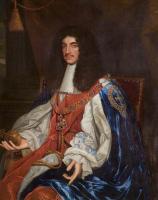
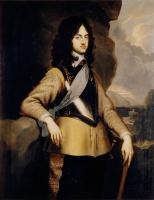
In November 1660 King Charles II of England Scotland and Ireland [aged 30] rewarded of further tranche of those who supported his Restoration by awarding them Baronetcies...

On 8th November 1660 William Russell 1st Baronet was created 1st Baronet Russell of Laugherne in Carmarthenshire.

On 12th November 1660 John Cutler 1st Baronet [aged 57] was created 1st Baronet Cutler of London.

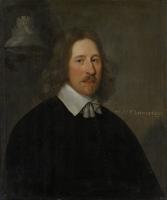
On 21st November 1660 John Clotworthy 1st Viscount Massereene was created 1st Viscount Massereene, 1st Baron Lough Neagh, in the Irish peerage, with remainder in default of male heirs to his son-in-law. See Viscountcies of England Created with a Special Remainder.

On 21st November 1660 Thomas Foote 1st Baronet [aged 62] was created 1st Baronet Foote of London with a special remainder for title to revert on his death to his son-in-law, Arthur Onslow of West Clandon [aged 36].

On 29th November 1660 John Wroth 1st Baronet [aged 33] was created 1st Baronet Wroth of Blenden Hall in Kent.

In September 1665 John Clotworthy 1st Viscount Massereene died. His son-in-law John Skeffington 2nd Viscount Massereene succeeded 2nd Viscount Massereene, 2nd Baron Lough Neagh.

On 14 or 17th September 1757 Clotworthy Skeffington 1st Earl Massereene [aged 42] died. His son Clotworthy [aged 15] succeeded 2nd Earl Massereene, 6th Viscount Massereene, 6th Baron Lough Neagh, 8th Baronet Skeffington of Fisherwick in Staffordshire.

On 28th February 1805 Clotworthy Skeffington 2nd Earl Massereene [aged 63] died without issue. His brother Henry [aged 61] succeeded 3rd Earl Massereene, 7th Viscount Massereene, 7th Baron Lough Neagh, 9th Baronet Skeffington of Fisherwick in Staffordshire.

In 1831 Harriet Skeffington 9th Viscountess Massereene [aged 42] died. Her son John [aged 18] succeeded 10th Viscount Massereene, 10th Baron Lough Neagh.

On 1st August 1835 John Skeffington 10th Viscount Massereene, 3rd Viscount Ferrard [aged 22] and Olivia Grady Viscountess Massereene were married. She by marriage Viscountess Massereene. They had four sons and four daughters.