

Bishop of Rochester is in Bishop, Rochester Cathedral [Map].
In 604 Archbishop Justus was was appointed the first Bishop of Rochester.
Anglo-Saxon Chronicle. 604. This year Augustine [aged 64] consecrated two bishops, Mellitus and Justus. Mellitus he sent to preach baptism to the East-Saxons. Their king was called Seabert, the son of Ricola, Ethelbert's [aged 54] sister, whom Ethelbert placed there as king. Ethelbert also gave Mellitus the bishopric of London; and to Justus he gave the bishopric of Rochester, which is twenty-four miles from Canterbury, Kent [Map].
Anglo-Saxon Chronicle. 616. This year died Ethelbert [aged 66], king of Kent, the first of English kings that received baptism: he was the son of Ermenric. He reigned fifty-six winters, and was succeeded by his son Eadbald. And in this same year had elapsed from the beginning of the world five thousand six hundred and eighteen winters. This Eadbald renounced his baptism, and lived in a heathen manner; so that he took to wife the relict of his father. Then Laurentius, who was archbishop in Kent, meant to depart southward over sea, and abandon everything. But there came to him in the night the apostle Peter, and severely chastised him19, because he would so desert the flock of God. And he charged him to go to the king, and teach him the right belief. And he did so; and the king returned to the right belief. In this king's days the same Laurentius, who was archbishop in Kent after Augustine, departed this life on the second of February, and was buried near Augustine. The holy Augustine in his lifetime invested him bishop, to the end that the church of Christ, which yet was new in England, should at no time after his decease be without an archbishop. After him Mellitus, who was first Bishop of London, succeeded to the archbishopric. The people of London, where Mellitus was before, were then heathens: and within five winters of this time, during the reign of Eadbald, Mellitus died. To him succeeded Justus, who was Bishop of Rochester, whereto he consecrated Romanus bishop.
Note 19. Literally, "swinged, or scourged him." Both Bede and Alfred begin by recording the matter as a vision, or a dream; whence the transition is easy to a matter of fact, as here stated by the Norman interpolators of the "Saxon Annals".
Around 624 Bishop Romanus was appointed Bishop of Rochester.
Anglo-Saxon Chronicle. 633. This year King Edwin [aged 47] was slain by Cadwalla and Penda, on Hatfield moor, on the fourteenth of October [Note. Some sources say 12th October 633]. He reigned seventeen years. His son Osfrid was also slain with him. After this Cadwalla and Penda went and ravaged all the land of the Northumbrians; which when Paulinus saw, he took Ethelburga [aged 28], the relict of Edwin, and went by ship to Kent. Eadbald and Honorius received him very honourably, and gave him the bishopric of Rochester, where he continued to his death.
In 655 Bishop Ithamar was appointed Bishop of Rochester.
Around 669 Bishop Putta was appointed Bishop of Rochester.
Bede. 673. "In the name of our Lord God and Saviour Jesus Christ, who reigns for ever and for ever, and governs his church, it was thought meet that we should assemble, according to the custom of the venerable canons, to treat about the necessary affairs of the church. We met on the 24th day of September, the first indiction, at a place called Hertford, Hertfordshire [Map], myself, Theodore [aged 71], the unworthy bishop of the see of Canterbury, appointed by the Apostolic See, our fellow-priest and most reverend brother, Bisi, bishop of the East Angles; also by his proxies, our brother and fellow-priest, Wilfrid, bishop of the nation of the Northumbrians, as also our brothers and fellow priests, Putta, bishop of the Kentish castle, called Rochester; Eleutherius, bishop of the West Saxons, and Winfrid, bishop of the province of the Mercians. When we were all met together, and were sat down in order, I said, ' I beseech you, most dear brothers, for the love and fear of our Redeemer, that we may all treat in common for our faith; to the end that whatsoever has been decreed and defined by the holy and revered fathers, may be inviolably observed by all.' This and much more I spoke tending to the preservation of the charity and unity of the church; and when I had ended my discourse, I asked every one of them in order, whether they consented to observe the things that had been formerly canonically decreed by the fathers? To which all our fellow-priests answered, ' It so pleases us, and we will all most willingly observe with a cheerful mind whatever is laid down in the canons of the holy fathers.' I then produced the said book of canons, and publicly showed them ten chapters in the same, which I had marked in several places, because I knew them to be of the most importance to us, and entreated that they might be most particularly received by them all.
Bede. 676. In the year of our Lord's incarnation 676, when Ethelred, king of the Mercians, ravaged Kent with a powerful army, and profaned churches and monasteries, without regard to religion, or the fear of God, he among the rest destroyed the city of Rochester, Kent [Map]; Putta, who was bishop, was absent at that time, but when he understood that his church was ravaged, and all things taken away, he went to Sexwulf, bishop of the Mercians, and having received of him a certain church, and a small spot of land, ended his days there in peace; in no way endeavouring to restore his bishopric, because (as has been said above) he was more industrious in spiritual than in worldly affairs; serving God only in that church, and going wherever he was desired, to teach church music. Theodore [aged 74] consecrated Cuichelm bishop of Rochester in his stead; but he, not long after, departing from his bishopric for want of necessaries, and withdrawing to other parts, Gebmund was substituted in his place.
In 676 Bishop Cwichhelm was consecrated Bishop of Rochester.
In 676 Bishop Putta was appointed Bishop of Rochester.
In 678 Bishop Gedmund of Rochester was consecrated Bishop of Rochester.
In 678 Bishop Cwichhelm resigned the see of Rochester.
Around 678 Bishop Gedmund was consecrated Bishop of Rochester.
In 693 Bishop Tobias was consecrated Bishop of Rochester.
In 727 Bishop Aldwulf of Rochester was consecrated Bishop of Rochester.
Anglo-Saxon Chronicle. 727. This year died Tobias, Bishop of Rochester: and Archbishop Bertwald consecrated Aldulf bishop in his stead.
In 740 Bishop Dunn was consecrated Bishop of Rochester.
Anglo-Saxon Chronicle. 801. Her wæs gehadod Beornmod bisc to Hrofes ceastre2.
Note 801. [Collation]. This year Beornmod was ordained by Bishop of Rochester.
Note 2. D. places this entry in this form under the year 801; but repeats it in the form in which it occurs in E. under the year 802.
Anglo-Saxon Chronicle. 802Her aðeostrade se mona on dagunge on xiii kt Iañr. ⁊ Beornmod wæs gehalgod to b to Rofeceastre þy ilcan geare.
Note 802. This year was the moon eclipsed, at dawn, on the thirteenth day before the calends of January; and Bernmod was consecrated Bishop of Rochester.
Between 868 and 880 Bishop Swithulf was consecrated Bishop of Rochester.
In 1058 Bishop Siward was consecrated Bishop of Rochester.
On 9th August 1108 Archbishop Ralph d'Escures was consecrated Bishop of Rochester.
Chronicon ex Chronicis by Florence and John of Worcester. 1125. Simon, the bishop-elect of Worcester, went to Canterbury in company with Godfrey, bishop of Bath, and, having been ordained priest by the archbishop on Saturday in Whitsunweek [23rd May]1, was on the following day consecrated with great pomp bishop of the holy mother church of Worcester. John, archdeacon of Canterbury, receiving consecration as bishop of Rochester at the same time. Richard, bishop of Hereford, David of Bangor, Godfrey of Bath, and Sigefred of Chichester assisted at the consecration.
Note 1. A repetition of a former entry.
On 27th January 1148 Bishop Walter of Bec was elected Bishop of Rochester.
On 14th March 1148 Bishop Walter of Bec was consecrated Bishop of Rochester.
On 13th December 1215 Bishop Benedict of Sausetum was elected Bishop of Rochester.
On 18th March 1217 Bishop Hamo Hethe was elected Bishop of Rochester.
On 26th December 1226 Bishop Henry de Sanford was elected Bishop of Rochester.
On 9th May 1227 Bishop Henry de Sanford was consecrated Bishop of Rochester.
On 16th May 1227 Bishop Henry de Sanford was enthroned Bishop of Rochester.
On 19th October 1250 Bishop Lawrence of St Martin was elected Bishop of Rochester.
On 9th April 1251 Bishop Lawrence of St Martin was consecrated Bishop of Rochester.
On 29th May 1278 Bishop John Bradfield was consecrated Bishop of Rochester.
In 1283 Bishop John Kirkby was elected Bishop of Rochester, but the Archbishop of Canterbury, John Peckham, opposed the appointment and Kirkby did not become bishop there.
Around 12th July 1283 Bishop Thomas Ingoldshorpe was elected Bishop of Rochester.
On 26th September 1283 or 3rd October 1283 Bishop Thomas Ingoldshorpe was consecrated Bishop of Rochester.
On 16th July 1285 Bishop Gilbert Glanvill was elected Bishop of Rochester.
On 6th June 1291 Bishop Thomas Wouldham was elected Bishop of Rochester.
On 6th January 1292 Bishop Thomas Wouldham was consecrated Bishop of Rochester.
On 26th August 1319 Bishop Hamo Hethe [aged 44] was consecrated Bishop of Rochester.
On 31st January 1373 Bishop Thomas Brinton was elected Bishop of Rochester.
On 6th February 1373 Bishop Thomas Brinton was consecrated Bishop of Rochester.
On 27th August 1389 Bishop William Bottesham was translated to Bishop of Rochester.
On 27th August 1389 Bishop William Bottlesham was translated to Bishop of Rochester.
In 1419 Cardinal John Kempe [aged 39] was elected Bishop of Rochester.
On 12th November 1421 Bishop John Langdon was elected Bishop of Rochester.
On 7th June 1422 Bishop John Langdon was consecrated Bishop of Rochester by Archbishop Henry Chichele [aged 59].
On 21st February 1435 Bishop Thomas Brunce [aged 47] was elected Bishop of Rochester.
On 1st May 1435 Bishop Thomas Brunce [aged 47] was consecrated Bishop of Rochester.
In 1468 Archbishop Thomas Rotherham [aged 44] was appointed Bishop of Rochester.
On 8th January 1472 Bishop John Alcock [aged 42] was nominated, and on 8th January 1472 was consecrated Bishop of Rochester.
On 22nd September 1476 Bishop John Russell was appointed Bishop of Rochester.
On 7th June 1480 Bishop Edmund Tuchet [aged 37] was appointed Bishop of Rochester.
On 7th July 1480 Bishop Edmund Tuchet [aged 37] was elected Bishop of Rochester.
On 1st October 1480 Bishop Edmund Tuchet [aged 37] was consecrated Bishop of Rochester.
On 2nd January 1497 Bishop Richard Fitzjames was elected Bishop of Rochester.
On 21st May 1497 Bishop Richard Fitzjames was consecrated Bishop of Rochester.

On 14th October 1504 Bishop John Fisher [aged 34] was appointed Bishop of Rochester.
On 18th September 1535 Bishop John Hilsey was consecrated Bishop of Rochester by Archbishop Thomas Cranmer [aged 46] at Winchester Cathedral [Map].
On 4th October 1535 Bishop John Hilsey was appointed Bishop of Rochester following the execution of Bishop John Fisher.
In 1544 Bishop Henry Holbeach [aged 67] was elected Bishop of Rochester.
In 1547 Bishop Nicholas Ridley [aged 47] was elected Bishop of Rochester.
In 1551 Bishop John Scory [aged 41] was appointed Bishop of Rochester.
In 1554 Bishop Maurice Griffith [aged 47] was appointed Bishop of Rochester.
On 1st April 1554 the Lord Chancellor Bishop Edmund "Bloody" Bonner of London [aged 54], assisted by Bishop Stephen Gardiner [aged 71], Bishop Nicholas Ridley [aged 54] and Bishop Cuthbert Tunstall [aged 80], consecrated seven bishops at Southwark Cathedral [Map]:
Bishop George Cotes was consecrated Bishop of Chester.
Bishop Gilbert Bourne was consecrated Bishop of Bath and Wells.
Bishop James Brooks [aged 41] was consecrated Bishop of Gloucester.
Bishop Maurice Griffiths [aged 47] was consecrated Bishop of Rochester.
Bishop Henry Morgan was consecrated Bishop of St David's.
Bishop John White [aged 44] was consecrated Bishop of Lincoln.
Bishop Robert Parfew aka Warton was consecrated Bishop of Hereford.
Henry Machyn's Diary. 1st April 1554. [The first day of April my lord chancellor [aged 54] did consecrate six new bishops at St. Mary Overy's [Map], before the high altar; and a goodly mass was said. And when all] was done thay yede unto my lord ch[ancellor's,] for ther was as grett a dener as youe ha[ve seen.] Thes be the bysshopes names that wher consecrated, [doctor] Whyt [aged 44], warden of Wynchastur, the bysshope of Ly[ncoln]; doctur Borne, bysshope of Bathe; doctur Morgan, bishop of sant Davys; doctur Brokes [aged 41], bysshope of Gloss [ter]; doctur Cottes, bysshope of Westtchastur; bysshope of sant Asse changyd to be bysshope of Arfford; master [Griffith] [aged 47] parsun of sant Magnus bysshope of Rochastur.
Before 27th July 1559 Bishop Edmund Allen [aged 40] was elected Bishop of Rochester although he died before being installed.
In 1560 Bishop Edmund Gheast [aged 46] was appointed Bishop of Rochester.
In 1608 Archbishop Richard Neale [aged 45] was elected Bishop of Rochester.
In 1611 Bishop John Buckeridge [aged 49] was elected Bishop of Rochester.
On 13th November 1637 Bishop John Warner [aged 56] was elected Bishop of Rochester.
On 14th January 1638 Bishop John Warner [aged 56] was consecrated Bishop of Rochester.

In 1666 Archbishop John Dolben [aged 41] was appointed Bishop of Rochester.
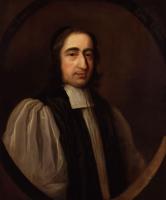
On 11th November 1683 Bishop Francis Turner [aged 46] was consecrated Bishop of Rochester at Lambeth Palace [Map].
In 1684 Bishop Thomas Sprat [aged 49] was appointed Bishop of Rochester.
John Evelyn's Diary. 26th February 1684. Came to visite me Dr. Turner [aged 46], our new Bishop of Rochester.
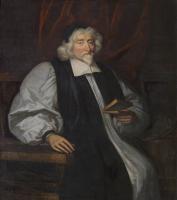
John Evelyn's Diary. 4th November 1684. Dr. Turner [aged 47], now translated from Rochester to Ely upon the death of Dr. Peter Gunning, preached before the King [aged 54] at White-hall on 3 Romans 8, a very excellent sermon, indicating the Church of England against the pernicious doctrines of the Church of Rome. He challenged the producing but of five Cleargymen who forsooke our Church and went over to that of Rome, during all the troubles & rebellion In England, which lasted neere twenty yeares; and this was to my certaine observation a greate truth.
John Evelyn's Diary. 15th April 1686. The Abp. of York [aged 61] died of ye smallpox, aged 62, a corpulent man. He was my special loving friend, and whilst Bp. of Rochester (from whence he was translated) my excellent neighbour. He was an unexpressible losse to ye whole church, and that province especialy, he being a learned, wise, stoute, and most worthy prelate; I looke on this as a greate stroke to ye poore Church of England, now in this defecting period.
In 1713 Bishop Francis Atterbury [aged 49] was appointed Bishop of Rochester and Dean of Westminster Abbey.
On 21st April 1718 Bishop Samuel Bradford [aged 65] was elected Bishop of Rochester.
On 1st June 1718 Bishop Samuel Bradford [aged 65] was consecrated Bishop of Rochester.
In 1723 Bishop Samuel Bradford [aged 70] was translated to Bishop of Rochester.
In 1774 John Thomas [aged 62] was appointed Bishop of Rochester.
On 15th July 1827 Bishop Hugh Percy [aged 43] was appointed Bishop of Rochester.
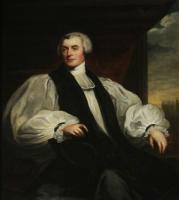
On 24th November 1827 Bishop George Murray [aged 43] was elected Bishop of Rochester.
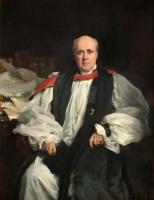
In 1891 Dean Randall Davidson [aged 42] was elected Bishop of Rochester.
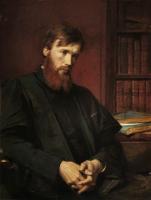
On 19th April 1911 Bishop Edward Stuart Talbot [aged 67] was elected Bishop of Rochester.