

The History of William Marshal was commissioned by his son shortly after William’s death in 1219 to celebrate the Marshal’s remarkable life; it is an authentic, contemporary voice. The manuscript was discovered in 1861 by French historian Paul Meyer. Meyer published the manuscript in its original Anglo-French in 1891 in two books. This book is a line by line translation of the first of Meyer’s books; lines 1-10152. Book 1 of the History begins in 1139 and ends in 1194. It describes the events of the Anarchy, the role of William’s father John, John’s marriages, William’s childhood, his role as a hostage at the siege of Newbury, his injury and imprisonment in Poitou where he met Eleanor of Aquitaine and his life as a knight errant. It continues with the accusation against him of an improper relationship with Margaret, wife of Henry the Young King, his exile, and return, the death of Henry the Young King, the rebellion of Richard, the future King Richard I, war with France, the death of King Henry II, and the capture of King Richard, and the rebellion of John, the future King John. It ends with the release of King Richard and the death of John Marshal.
Available at Amazon in eBook and Paperback format.
Paternal Family Tree: Bohun
Maternal Family Tree: Etienette Countess Provence and Arles
1297 Marriage of Princess Elizabeth and John of Holland
1349 Creation of Garter Knights
1350 Creation of Garter Knights
On 8th January 1297 John Gerulfing I Count Holland [aged 13] and [his mother] Princess Elizabeth of Rhuddlan Countess Essex, Hereford and Holland [aged 14] were married at Ipswich, Suffolk [Map]. She by marriage Countess Holland. The wedding was attended by her sister [his aunt] Margaret Plantagenet Duchess Brabant [aged 21], her father [his grandfather] King Edward I [aged 57], her brother [his uncle] Edward [aged 12] and her future second husband Humphrey Bohun 4th Earl Hereford 3rd Earl Essex [aged 21]. She the daughter of King Edward I of England and Eleanor of Castile Queen Consort England. He the son of Floris Gerulfing V Count Holland and Beatrix Dampierre. They were half third cousin twice removed. He a great x 4 grandson of King Stephen I England.
On 14th November 1302 [his father] Humphrey Bohun 4th Earl Hereford 3rd Earl Essex [aged 26] and [his mother] Princess Elizabeth of Rhuddlan Countess Essex, Hereford and Holland [aged 20] were married. She by marriage Countess Essex, Countess Hereford. Westminster Abbey [Map]. She the daughter of [his grandfather] King Edward I of England [aged 63] and [his grandmother] Eleanor of Castile Queen Consort England. He the son of Humphrey Bohun 3rd Earl Hereford 2nd Earl Essex and Maud Fiennes Countess Essex and Hereford. They were third cousins.
On 6th December 1309 William Bohun 1st Earl of Northampton was born to Humphrey Bohun 4th Earl Hereford 3rd Earl Essex [aged 33] and Princess Elizabeth of Rhuddlan Countess Essex, Hereford and Holland [aged 27] at Caldicot Castle [Map]. He a grandson of King Edward I of England.
On 5th May 1316 [his sister] Isabel Bohun was born to [his father] Humphrey Bohun 4th Earl Hereford 3rd Earl Essex [aged 40] and Princess Elizabeth of Rhuddlan Countess Essex, Hereford and Holland [aged 33]. His mother Princess Elizabeth of Rhuddlan Countess Essex, Hereford and Holland died in childbirth. She was buried at Waldon Priory and Abbey [Map]. She a granddaughter of King Edward I of England.
On 27th June 1316 Edmund Mortimer [aged 13] and [his future wife] Elizabeth Badlesmere Countess Northampton [aged 3] were married at Kinlet, Cleobury Mortimer [Map]. He the son of Roger Mortimer 1st Earl March [aged 29] and Joan Geneville Baroness Mortimer 2nd Baroness Geneville [aged 30]. They were fourth cousins. He a great x 4 grandson of King John of England. She a great x 4 granddaughter of King Henry "Curtmantle" II of England.
On 16th March 1322 the rebel army led by Thomas Plantagenet 2nd Earl of Leicester, 2nd Earl Lancaster, Earl of Salisbury and Lincoln [aged 44] attempted to cross the bridge over the River Ure (between Ripon and York) at Boroughbridge Bridge [Map]. Their path was blocked by forces loyal to the King led by Andrew Harclay 1st Earl Carlisle [aged 52]. Bartholomew Badlesmere 1st Baron Badlesmere [aged 46], Roger Mortimer 1st Earl March [aged 34], John Botetort 1st Baron Botetort [aged 57] and John Maltravers 1st Baron Maltravers [aged 32] fought for the rebels. Roger Clifford 2nd Baron Clifford [aged 22], Nicholas Longford [aged 37], Thomas Plantagenet 2nd Earl of Leicester, 2nd Earl Lancaster, Earl of Salisbury and Lincoln, John Mowbray 2nd Baron Mowbray [aged 35] were captured.
Warin Lisle [aged 51] was hanged after the battle at Pontefract [Map].
Following the battle Hugh Audley 1st Earl Gloucester [aged 31] and his wife Margaret Clare Countess Gloucester were both imprisoned. He in Nottingham Castle [Map] and she in Sempringham Priory [Map].
John Clinton 2nd Baron Clinton [aged 22], Ralph Greystoke 1st Baron Greystoke [aged 22], William Latimer 2nd Baron Latimer of Corby [aged 46], Robert Lisle 1st Baron Lisle [aged 34], Domhnall Mar II Earl of Mar [aged 29] and Peter Saltmarsh [aged 42] fought for the King.
Adam Everingham 1st Baron Everingham of Laxton [aged 43] was captured.
[his father] Humphrey Bohun 4th Earl Hereford 3rd Earl Essex [aged 46] was killed. His son [his brother] John [aged 15] succeeded 5th Earl Hereford, 4th Earl Essex.
Piers Grandison 2nd Baron Grandison [aged 31] fough for the rebels, and was captured.
Hugh Audley 1st Baron Audley of Stratton Audley [aged 55] surrendered before the battle and was imprisoned in Wallingford Castle [Map] for the rest of his life
John Giffard 2nd Baron Giffard Brimpsfield [aged 34] was captured.
Roger Mortimer 1st Earl March was imprisoned at Tower of London [Map].


In 1325 [his brother] John Bohun 5th Earl Hereford 4th Earl Essex [aged 18] and [his sister-in-law] Alice Fitzalan Countess Essex and Hereford were married. She by marriage Countess Essex, Countess Hereford. She the daughter of Edmund Fitzalan 2nd or 9th Earl of Arundel [aged 39] and Alice Warenne Countess Arundel. He the son of [his father] Humphrey Bohun 4th Earl Hereford 3rd Earl Essex and [his mother] Princess Elizabeth of Rhuddlan Countess Essex, Hereford and Holland. They were half third cousins. He a grandson of King Edward I of England. She a great x 5 granddaughter of King John of England.
After 1325 [his brother] John Bohun 5th Earl Hereford 4th Earl Essex [aged 18] and [his sister-in-law] Margaret Basset Countess Essex and Hereford were married. She by marriage Countess Essex, Countess Hereford. He the son of [his father] Humphrey Bohun 4th Earl Hereford 3rd Earl Essex and [his mother] Princess Elizabeth of Rhuddlan Countess Essex, Hereford and Holland.
On 11th August 1325 [his brother-in-law] Hugh Courtenay 2nd or 10th Earl Devon [aged 22] and [his sister] Margaret Bohun Countess Devon [aged 14] were married. She the daughter of [his father] Humphrey Bohun 4th Earl Hereford 3rd Earl Essex and [his mother] Princess Elizabeth of Rhuddlan Countess Essex, Hereford and Holland. He the son of Hugh Courtenay 1st or 9th Earl Devon [aged 48] and Agnes St John Countess Devon [aged 50]. They were fifth cousin once removed. She a granddaughter of King Edward I of England.
In 1327 [his brother-in-law] James Butler 1st Earl Ormonde [aged 22] and [his sister] Eleanor Bohun Countess Ormonde [aged 22] were married. She the daughter of [his father] Humphrey Bohun 4th Earl Hereford 3rd Earl Essex and [his mother] Princess Elizabeth of Rhuddlan Countess Essex, Hereford and Holland. He the son of Edmund Butler 1st Earl Carrick. They were fourth cousins. She a granddaughter of King Edward I of England.
In 1328 [his brother-in-law] James Butler 1st Earl Ormonde [aged 23] was created 1st Earl Ormonde. [his sister] Eleanor Bohun Countess Ormonde [aged 23] by marriage Countess Ormonde.
On 19th October 1330 John Neville 1299-1335, William Eland, William Bohun 1st Earl of Northampton [aged 20], William Clinton 1st Earl Huntingdon [aged 26] and William Montagu 1st Earl Salisbury [aged 29], friends of King Edward III of England [aged 17] secretly entered Nottingham Castle [Map] through tunnels, met with King Edward III of England, and arrested Roger Mortimer 1st Earl March [aged 43] and his son Geoffrey Mortimer [aged 21] in the presence of Isabella of France Queen Consort England [aged 35].
In 1335 William Bohun 1st Earl of Northampton [aged 25] and Elizabeth Badlesmere Countess Northampton [aged 22] were married. He the son of Humphrey Bohun 4th Earl Hereford 3rd Earl Essex and Princess Elizabeth of Rhuddlan Countess Essex, Hereford and Holland. They were fourth cousins. He a grandson of King Edward I of England. She a great x 4 granddaughter of King Henry "Curtmantle" II of England.
In 1336 John de Vere 7th Earl of Oxford [aged 23] and [his sister-in-law] Maud Badlesmere Countess of Oxford [aged 27] were married. She by marriage Countess of Oxford. They were third cousin twice removed. She a great x 4 granddaughter of King Henry "Curtmantle" II of England.
Annals of the six Kings of England by Nicholas Trivet
Translation of the Annals of the Six Kings of England by that traces the rise and rule of the Angevin aka Plantagenet dynasty from the mid-12th to early 14th century. Written by the Dominican scholar Nicholas Trivet, the work offers a vivid account of English history from the reign of King Stephen through to the death of King Edward I, blending political narrative with moral reflection. Covering the reigns of six monarchs—from Stephen to Edward I—the chronicle explores royal authority, rebellion, war, and the shifting balance between crown, church, and nobility. Trivet provides detailed insight into defining moments such as baronial conflicts, Anglo-French rivalry, and the consolidation of royal power under Edward I, whose reign he describes with particular immediacy. The Annals combines careful year-by-year reporting with thoughtful interpretation, presenting history not merely as a sequence of events but as a moral and political lesson. Ideal for readers interested in medieval history, kingship, and the origins of the English state, this chronicle remains a valuable and accessible window into the turbulent world of the Plantagenet kings.
Available at Amazon in eBook and Paperback format.
On 20th January 1336 John Bohun 5th Earl Hereford 4th Earl Essex [aged 29] died. His brother Humphrey [aged 27] succeeded 6th Earl Hereford, 5th Earl Essex.
In January 1337 King Edward III of England [aged 24] created a number of new Earldom's probably in preparation for his forthcoming war against France...
William Montagu 1st Earl Salisbury [aged 36] was created 1st Earl Salisbury. Catherine Grandison Countess of Salisbury [aged 33] by marriage Countess Salisbury.
William Bohun 1st Earl of Northampton [aged 27] was created 1st Earl of Northampton. [his wife] Elizabeth Badlesmere Countess Northampton [aged 24] by marriage Countess of Northampton.
Hugh Audley 1st Earl Gloucester [aged 46] was created 1st Earl Gloucester probably as compensation for his daughter Margaret Audley Countess Stafford [aged 19] having been abducted by Ralph Stafford 1st Earl Stafford [aged 35].
Robert Ufford 1st Earl Suffolk [aged 38] was created 1st Earl Suffolk. Margaret Norwich Countess Suffolk [aged 51] by marriage Countess Suffolk.
On 7th June 1338 [his brother-in-law] Giles Badlesmere 2nd Baron Badlesmere [aged 23] died. Baron Badlesmere abeyant between his sisters [his sister-in-law] Margery Badlesmere Baroness Ros of Helmsley [aged 29], Maud Badlesmere Countess of Oxford [aged 29], Elizabeth Badlesmere Countess Northampton [aged 25] and Margaret Badlesmere Baroness Tibetot [aged 23].
Calendar Inquitisitions Port Mortem Volume 8 Edward III 185. 185. [his brother-in-law] Giles De Badelesmere [deceased], Knight.
Writ to Henry Darcy, mayor of the city of London, and king's escheator there, 16 July [1338], 12 Edward III.
London.
Inq. Friday before St. Bartholomew, 12 Edward III.
Alegate. A tenement, 17 shops, and a garden adjacent, within Alegate, worth when let 9l.; out of which there are paid yearly to the lords of that fee for quit rent, 56s. 4d., and for repairs, 40s.
Lymstret lane. A tenement and a garden, worth 40s., out of which are paid yearly for repair of houses and walls and for enclosing of the said tenement and garden, 20s.
All held of the king in chief, as the whole of the city of London is.
[his sister-in-law] Margery [aged 30] the wife of Sir William de Ros [aged 53], Maud [aged 30] the wife of the earl of Oxford [aged 26], Elizabeth [aged 25] the wife of the earl of Northampton [aged 28], and Margery [aged 23] (sic) the wife of Sir John Tipetoft [aged 24], are his sisters and co-heirs, and of full age.
John Tiptoft 2nd Baron Tibetot.
Continues.
On 24th June 1340 King Edward III of England [aged 27] attacked the French fleet at anchor during the Battle of Sluys capturing more than 200 ships, killing around 18000 French. The English force included John Beauchamp 1st Baron Beauchamp Warwick [aged 24], William Bohun 1st Earl of Northampton [aged 30], Henry Scrope 1st Baron Scrope of Masham [aged 27], William Latimer 4th Baron Latimer of Corby [aged 10], John Lisle 2nd Baron Lisle [aged 22], Ralph Stafford 1st Earl Stafford [aged 38], Henry of Grosmont 1st Duke Lancaster [aged 30], Walter Manny 1st Baron Manny [aged 30], Hugh Despencer 1st Baron Despencer [aged 32] and Richard Pembridge [aged 20].
Thomas Monthermer 2nd Baron Monthermer [aged 38] died from wounds. His daughter Margaret succeeded 3rd Baroness Monthermer.
On 23rd December 1340 Hugh Courtenay 1st or 9th Earl Devon [aged 64] died. His son [his brother-in-law] Hugh [aged 37] succeeded 2nd Earl Devon, 5th Baron Okehampton, 2nd Baron Courtenay. [his sister] Margaret Bohun Countess Devon [aged 29] by marriage Countess Devon.
On 25th March 1341 [his son] Humphrey Bohun 7th Earl Hereford 6th Earl Essex 2nd Earl of Northampton was born to William Bohun 1st Earl of Northampton [aged 31] and [his wife] Elizabeth Badlesmere Countess Northampton [aged 28]. He a great grandson of King Edward I of England. He married his third cousin Joan Fitzalan Countess Essex, Hereford and Northampton, daughter of Richard Fitzalan 3rd or 10th Earl of Arundel 8th Earl of Surrey and Eleanor Plantagenet Countess Arundel and Surrey, and had issue.
On 30th September 1342 the French army attacked the English besiegers of Morlaix forcing the English to retreat to the nearby woods. William Bohun 1st Earl of Northampton [aged 32] commanded, John de Vere 7th Earl of Oxford [aged 30] and Hugh Despencer 1st Baron Despencer [aged 34] fought.
In 1343 [his brother-in-law] Thomas Dagworth 1st Baron Dagworth [aged 67] and [his sister] Eleanor Bohun Countess Ormonde [aged 38] were married. The difference in their ages was 28 years. She the daughter of [his father] Humphrey Bohun 4th Earl Hereford 3rd Earl Essex and [his mother] Princess Elizabeth of Rhuddlan Countess Essex, Hereford and Holland.
On 26th August 1346 the army of King Edward III of England [aged 33] defeated the French army at the Battle of Crécy. The English army was commanded by King Edward III of England, his son Edward "Black Prince" [aged 16], Thomas Beauchamp 11th Earl Warwick [aged 33], William Bohun 1st Earl of Northampton [aged 36] and John Beauchamp 1st Baron Beauchamp Warwick [aged 30].
The English army was included: Bishop Thomas of Hatfield [aged 36], Hugh Despencer 1st Baron Despencer [aged 38], Bernard Brocas [aged 16], Thomas Felton [aged 16], James Audley [aged 28], Robert Bourchier 1st Baron Bourchier, Bartholomew "The Elder" Burghesh 1st Baron Burghesh [aged 59], Bartholomew "The Younger" Burghesh 2nd Baron Burghesh [aged 18], Reginald Cobham 1st Baron Cobham [aged 51], John Darcy 1st Baron Darcy of Knayth [aged 66], Robert Ferrers 3rd Baron Ferrers of Chartley [aged 37], Richard Scrope 1st Baron Scrope of Bolton [aged 19], William Scrope [aged 21], Stephen Scrope [aged 21], William Latimer 4th Baron Latimer of Corby [aged 16], John Lisle 2nd Baron Lisle [aged 28], Gerard Lisle 1st Baron Lisle [aged 42], Nicholas Longford [aged 61], Edward Montagu 1st Baron Montagu, Walter Paveley 4th Baron Burghesh [aged 27], Michael Poynings 1st Baron Poynings [aged 28], Robert Ufford 1st Earl Suffolk [aged 48], John de Vere 7th Earl of Oxford [aged 34], Thomas West [aged 34], John Willoughby 2nd Baron Willoughby [aged 43], John Wingfield [aged 26], Henry Percy 11th and 3rd Baron Percy [aged 25], [his brother-in-law] Hugh Courtenay 2nd or 10th Earl Devon [aged 43] (possibly), Walter "Elder" Devereux [aged 37], John Devereux [aged 44], Enion Sais Brecon, John Chandos [aged 26], Richard Pembridge [aged 26] and John Sully [aged 63].
The French army suffered significant casualties. King Philip "Fortunate" VI of France [aged 52] was wounded. William de Coucy [aged 60] and his son Enguerrand 6th Lord de Coucy [aged 33] and were killed.
Charles II Count Alençon [aged 49] was killed. His son Charles [aged 9] succeeded Count Alençon.
Louis Chatillon II Count Blois I Count Chatillon was killed. His son Louis succeeded III Count Blois.
Louis Dampierre II Count Nevers I Count Flanders [aged 42] was killed. His son Louis [aged 15] succeeded III Count Nevers, II Count Flanders.
King John I of Bohemia [aged 50] was killed. His son Charles [aged 30] succeeded IV King Bohemia, Holy Roman Emperor Luxemburg. Blanche Valois Holy Roman Empress Luxemburg [aged 29] by marriage Holy Roman Empress Luxemburg.
Rudolph "Valiant" Metz I Duke Lorraine [aged 26] was killed. His son John succeeded I Duke Lorraine.
Jean IV de Harcourt [aged 39] was killed.
After 20th June 1347 [his brother-in-law] Thomas Dagworth 1st Baron Dagworth [aged 71] was created 1st Baron Dagworth. [his sister] Eleanor Bohun Countess Ormonde [aged 42] by marriage Baroness Dagworth.
On 25th June 1347 a English fleet commanded by William Bohun 1st Earl of Northampton [aged 37] and Laurence Hastings 1st Earl Pembroke [aged 28] defeated a French fleet that was intending to re-supply the besiege Calais precipitating the surrender of Calais two months later.
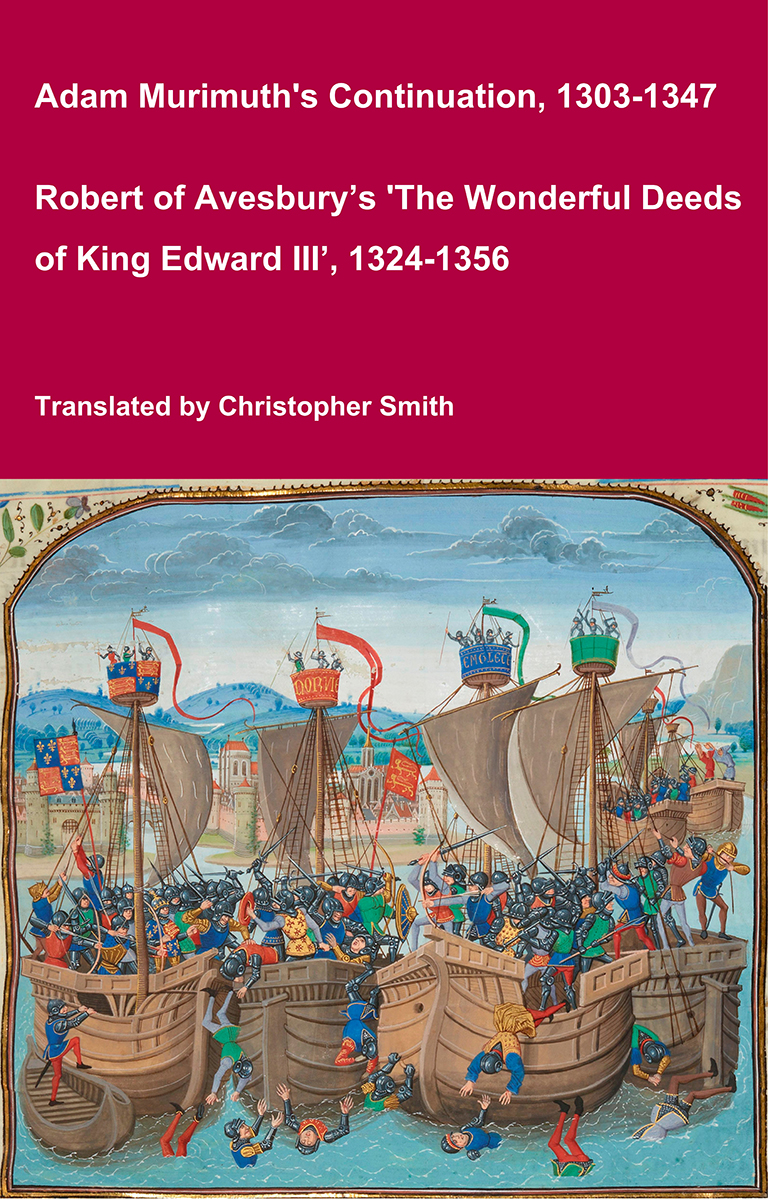 Deeds of King Edward III by Robert of Avesbury. Very dear sir, you should know that on the day [25th June 1347] after Saint John's Day the wind, which had been from the west, turned toward the east at the hour of tierce. Because of this the earls of Northampton [aged 37] and Pembroke [aged 28], and the lords Morley, Talbot, and Bradeston, together with the two admirals and a great number of archers from their retinues and from the commons, boarded their ships and sailed toward Boulogne and Crotoy in order to observe the enemies who had arranged to provision Calais. Thus, they encountered, on this side of Crotoy about the hour of vespers, the said enemies, who were counted within sight of our men as forty-four vessels: hulks, galleys, and victualling ships loaded with various supplies. Some of those enemies who were at the rear threw their provisions into the sea and swam toward England, while others made for the port of Crotoy. The ten galleys abandoned their boats and their cargo and put out to the high sea. One hulk and twelve victualling ships which were ahead were so vigorously pursued that they ran as close to the shore as they could, and all the men leapt into the sea and drowned so completely that not a single person remained alive in their vessels. But on the following night, at daybreak, two boats came out of the town into the open sea, and they were quickly noticed by a mariner named William Roke together with a man called Stephen Hikeman. One of the boats returned to the town with great difficulty, but the other was driven ashore. In that boat was captured a great master who was the commander of the Genoese galleys and the leader of the Genoese who are inside the town, and with him seventeen others of the same company and about forty letters. But the said commander, before he was taken, tied with an axe a letter which carried an important message and threw it into the sea. That letter and the axe were found on the shore when the sea had receded, of which you will find a copy enclosed within this. And what I have already sent you concerning this matter before this hour, know that it is true, for I heard it from a knight who was within the ships."
"Tres chier sire, voilletz savoir qe lendemain de seint; Johan le vent, qestoit vers le west, se tourna vers lorient a houre de tiercz, si qe lez countes de Northamtone et Penbrok et les seignurs de Morleye, Talbot, Bradston, et lez IJ amirals, od graunt foison darchiers de lor retenances et des comunes, qe entrerent noz niefs et siglerent vers Buloigne et Croteye, pur visiter lez enemys qount ordeigne de vitaller Caleys, si qils encountrerent decea Croteye environ heure de vespre lez dits enemys, qe fusrent acountez deinz la veue de noz gentz XLIIIJ vesseaux: des fluynes, galeyes, et vitaillers, chargetz des diverses vitailles. Dez queux enemys ascuns qestoient a derere dischargeront lor vitailles par meer et nagierent devers Engleterre, ascuns devers le porte de Oroteye. Lez X galeyes qe fusront gueperount lour bateux et lour charge, se mistrent al haut meer. Et un fluyne et XIJ vitaillers od lor vitailles qe fasront devaunt fusrent si fortement pursuiz qils se mistrent si pres de terre come ils poount, et saillerent trestoutz en meer et neierent si purement qe une soul persone ne remient en vie deinz lor vesseaux. Mais la nuyt suant, en laube de jour, al haut meer isserent hors de la ville IJ bateaux, qe fusrent bien tost aparceux par un mariner gest appelle William Roke, od une Hikeman Stephene, si ge lun batel retourna en la ville od graunt paine et lautre estoit chace a terre. En quele bateux estoit pris un grant maistre, qestoit patroun des galeyes de Gene et maistre de Geneuoys qe sount dedeinz la ville, et ovesqe luy XVIJ de mesmes lez persones et bien XL lettres. Mais le dit patroun, devaunt qil estoit pris, la a une hache une lettre ge portoit graunt charge, et le getta en meer; geles lettre et hache estoient treovetz a la retret de la meer, de qi vous troueretz a cople enclose dedeinz ceste. Et qoi jeo vous aay maunde devaunt ceste heure touchant ceste matiere, sachietz qe ceo est verite; car jeo lay oye dun chivaler ge fust dedeintz lez niefs."
In 1348 [his step-son] Roger Mortimer 2nd Earl March [aged 19] was restored 4th Baron Mortimer of Wigmore.
In 1349 William Bohun 1st Earl of Northampton [aged 39] was appointed High Sheriff of Rutlandshire.
In 23rd April 1349 King Edward III of England [aged 36] created new Garter Knights:
26th William Fitzwarin [aged 33]. The date may be earlier.
27th. Robert Ufford [aged 50].
28th William Bohun 1st Earl of Northampton [aged 39].
The Deeds of the Dukes of Normandy
The Gesta Normannorum Ducum [The Deeds of the Dukes of Normandy] is a landmark medieval chronicle tracing the rise and fall of the Norman dynasty from its early roots through the pivotal events surrounding the Norman Conquest of England. Originally penned in Latin by the monk William of Jumièges shortly before 1060 and later expanded at the behest of William the Conqueror, the work chronicles the deeds, politics, battles, and leadership of the Norman dukes, especially William’s own claim to the English throne. The narrative combines earlier historical sources with firsthand information and oral testimony to present an authoritative account of Normandy’s transformation from a Viking settlement into one of medieval Europe’s most powerful realms. William’s history emphasizes the legitimacy, military prowess, and governance of the Norman line, framing their expansion, including the conquest of England, as both divinely sanctioned and noble in purpose. Later chroniclers such as Orderic Vitalis and Robert of Torigni continued the history, extending the coverage into the 12th century, providing broader context on ducal rule and its impact. Today this classic work remains a foundational source for understanding Norman identity, medieval statesmanship, and the historical forces that reshaped England and Western Europe between 800AD and 1100AD.
Available at Amazon in eBook and Paperback format.
In 1350 [his daughter] Elizabeth Bohun Countess Arundel and Surrey was born to William Bohun 1st Earl of Northampton [aged 40] and [his wife] Elizabeth Badlesmere Countess Northampton [aged 37]. She a great granddaughter of King Edward I of England. She married her third cousin Richard Fitzalan 9th Earl of Surrey 4th or 11th Earl of Arundel, son of Richard Fitzalan 3rd or 10th Earl of Arundel 8th Earl of Surrey and Eleanor Plantagenet Countess Arundel and Surrey, and had issue.
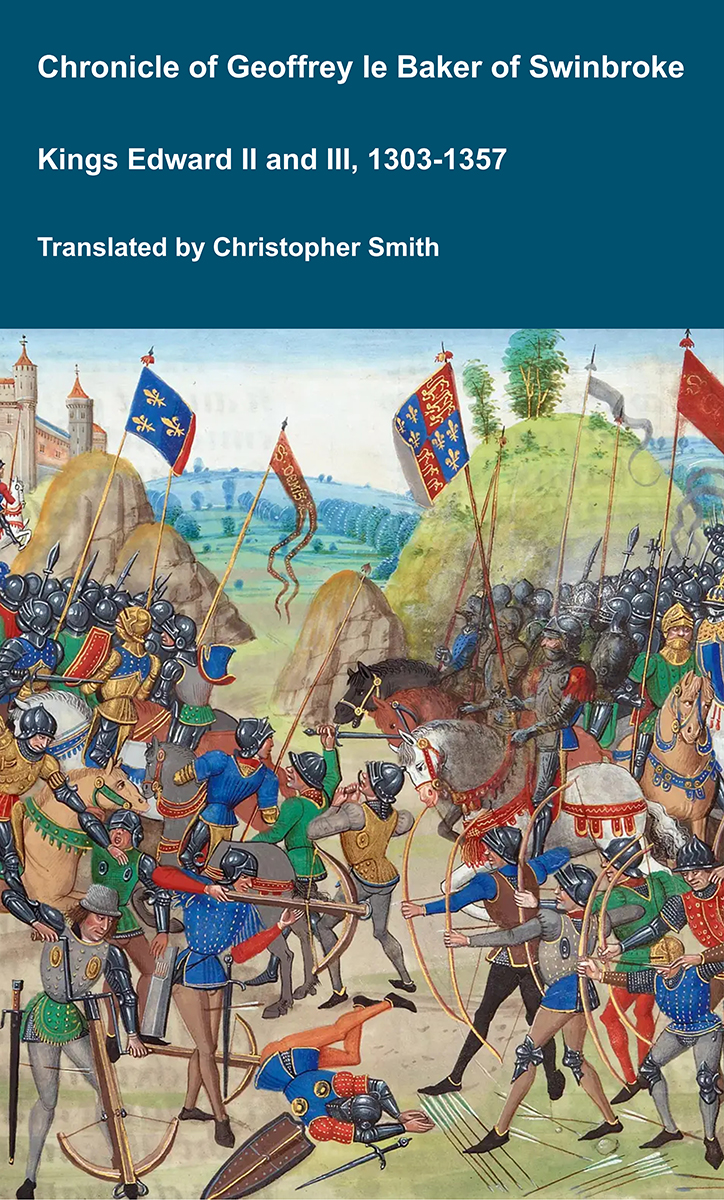 Chronicle of Geoffrey le Baker of Swinbroke. In this year,1 on the feast day of Saint George [23rd April 1350], the king held a great banquet at Windsor Castle [Map], where he established a chantry of twelve priests, and founded a hospital, in which impoverished knights, whose means were insufficient, could, in the service of the Lord, receive suitable support from the perpetual alms of the founders of that college. Besides the king, other nobles contributed to the foundation of this hospital, namely: the king's eldest son, the Earl of Northampton [aged 40], the Earl of Warwick [aged 37], the Earl of Suffolk [aged 51], the Earl of Salisbury [aged 21], and other barons. Also included were simple knights, such as: [his step-son] Roger de Mortimer [aged 21], now Earl of March, Lord Walter de Mauny [aged 40], Lord William FitzWarin [aged 34], John de Lisle [aged 14], John de Mohun [aged 30], John de Beauchamp [aged 31], Walter de Pavely [aged 31], Thomas Wale [aged 47] and Hugh de Wrottesley [aged 16]. Men whose proven virtue ranked them among the wealthiest earls. Together with the king, all these men were clothed in robes of powdered russet, with garters of Indian colour, also wearing garters on their right legs, and mantles of blue, adorned with the shield of Saint George. In such attire, bareheaded, they devoutly attended a solemn Mass, sung by the bishops of Canterbury, Winchester, and Exeter. They then sat together at a common table, in honour of the holy martyr, to whom they dedicated this noble brotherhood, calling their company "The Knights of Saint George of the Garter."
Isto anno, in die sancti Georgii, rex celebravit grande convivium apud Wyndesore in castro, ubi instituit cantariam xij. sacerdotum, et fundavit zenodochium, in quo milites depauperati, quibus sua non sufficerent, possent in Domini servitute de perpetuis elemosinis fundatorum illius collegii sustentacionem competentem habere. Preter regem fuerunt alii compromittentes in fundacionem istius zenodochii, scilicet regis primogenitus, comes Norhamptonie, comes Warewici, comes Suthfolchie, comes Salisbiriensis, et alii barones; simplices quoque milites, scilicet Rogerus de Mortuo mari, nunc comes Marchie, dominus Walterus de Magne, dominus Willelmus filius Garini, Iohannes de Insula, Iohannes de Mohun, Iohannes de Bealchampe, Walterus de Pavely, Thomas Wale, et Hughe de Wrotesley, quos probitas experta ditissimis comitibus associavit. Una cum rege fuerunt omnes isti vestiti togis de russeto pulverizato cum garteriis Indie coloris, habentes eciam tales garterias in tibiis dextris, et mantella de blueto cum scutulis armorum sancti Georgii. Tali apparatu nudi capita audierunt devote missam celebrem per antistites Cantuariensem, Wintoniensem, et Exoniensem decantatam, et conformiter sederunt in mensa communi ob honourem sancti martiris, cui tam nobilem fraternitatem specialiter intitularunt, appellantes istorum comitivam sancti Georgii de la gartiere.
Note 1. Stow Annales 390: "This yeere, on Saint Georges day [23rd April 1350], the king held a great and solemne feast at his castle of Windsor, where he had augmented the chappel which Henry the first and other his progenitors, kings of England, had before erected, of eight chanons. He added to those eight chanons a deane and fifteene chanons more, and 24 poore and impotent knights, with other ministers and servants, as appeareth in his charter dated the two and twentieth of his reigne. Besides the king, there were other also that were contributors to the foundation of this colledge, as followeth: i. The sovereigne king Edward the third, 2. Edward, his eldest sonne, prince of Wales, 3. Henry, duke of Lancaster, 4. the earle of Warwicke, 5. Captaine de Bouch [aged 19], 6. Ralph, earle of Stafford [aged 48], 7. William Montacute, earle of Salisburie, 8. Roger, lorde Mortimer, earle of March, 9. sir John de Lisle [aged 31], 10. sir .
It will be seen that Stow here alters the names to tally with the list of the original knights or First Founders of the order of the Garter. Baker seems to be anticipating. William Bohun, 1st earl of Northampton, and Robert Ufford, 1st earl of Suffolk, and sir William Fitz-Warine became knights of the order at an early date; but Roger Mortimer, here styled 'now Earl of March,' did not have that title before 1352, and sir Walter Manny did not receive the garter till the end of 1359.
The date of the foundation of the order of the Garter has never been exactly determined. Froissart 203.
The Brute chronicle (Egerton MS. 650) has this description, although under a wrong year: "And in the XIX yere of his regne, anone aftre, in Jannuere, before Lenten, the same kyng Edward lete make fulle noble iustice and grete festes in the place of hys byrth, at Wyndsore, that ther were never none suche seyne before that tyme, ne I trowe sythene. At whech iustice, festis and ryalte weryn II kinges, II quenys, and the prince of Wales and the duke of Cornewale, ten erles, nine countesse, many barons, knyghttes, and worthy burgesse, the whech myght not lyghtly be nombrede; and also of dyverse londes as byyonde the see were many strangers. And at that tyme, whene the iustes had done, the kyng Edward made a grete souper, in the wheche he begone fyrst hys round table, and ordayned stedfastly the day of the forsayd table to be holde ther at Wyndessore in the Whytesonwyke evermore yerely."
Relying on the date given in the statutes of the order and on this passage in Baker, writers on the subject have adopted 1349 or 1350 as the year of foundation. But an entry in the household-book of the Black Prince affords a reason for dating the event a year earlier, payment having been made on the 18th November 1348, for twenty-four garters which were given by the prince "militibus de societate garterias" i.e. "garters [were given] to the knights of the society"; Beltz, Memorials of the Order of the Garter, pp. XXXII, 385. Proof however is not conclusive, as the ministers' accounts in the household-book were rendered between 1352 and 1365, and there is therefore room for error; moreover, the garters in question may have been prepared in anticipation. The date of 1349, which is given in the preamble to the earliest copies of the statutes, although it is true that those copies are not contemporary, is not to be lightly set aside. It is, indeed, most probable that the order was never solemnly instituted at an early period, but that it was gradually taking shape during the years following the foundation of the Round Table. Edward's patent, bearing date of 22nd August 1348, whereby he instituted a chapel at Windsor, with a fraternity of eight secular canons and a warden, fifteen other canons, and four-and-twenty poor knights, appears to be the first formal document which can be quoted as a foundation-deed of the order. After this there is no direct reference to it until 1350, when robes were issued for the King against the coming Feast of St. George, together with a Garter containing the King's motto, "Hony soyt qui mal y pense!" Nicolas, History of Orders of Knighthood, 1.24.
Before 1352 [his step-son] Roger Mortimer 2nd Earl March [aged 23] and Philippa Montagu Countess March [aged 19] were married. She by marriage Countess March. She the daughter of William Montagu 1st Earl Salisbury and Catherine Grandison Countess of Salisbury. He the son of Edmund Mortimer and [his wife] Elizabeth Badlesmere Countess Northampton [aged 38].
In 1354 [his step-son] Roger Mortimer 2nd Earl March [aged 25] was restored 2nd Earl March
On 18th June 1356 [his wife] Elizabeth Badlesmere Countess Northampton [aged 43] died at Blackfriars Church Holborn.
In September 1359, a case of Marriage of Two Sets of Siblings, siblings from the de Bohun family, children of William Bohun 1st Earl of Northampton [aged 49], his only children, and the Fitzalan family, children of , were married:
[his son-in-law] Richard Fitzalan 9th Earl of Surrey 4th or 11th Earl of Arundel [aged 13] and Elizabeth Bohun Countess Arundel and Surrey [aged 9] were married. She the daughter of William Bohun 1st Earl of Northampton and Elizabeth Badlesmere Countess Northampton. He the son of Richard Fitzalan 3rd or 10th Earl of Arundel 8th Earl of Surrey [aged 53] and Eleanor Plantagenet Countess Arundel and Surrey [aged 40]. They were third cousins. He a great x 2 grandson of King Henry III of England. She a great granddaughter of King Edward I of England.
Humphrey Bohun 7th Earl Hereford 6th Earl Essex 2nd Earl of Northampton [aged 18] and Joan Fitzalan Countess Essex, Hereford and Northampton [aged 12] were married. She the daughter of Richard Fitzalan 3rd or 10th Earl of Arundel 8th Earl of Surrey and Eleanor Plantagenet Countess Arundel and Surrey. He the son of William Bohun 1st Earl of Northampton and Elizabeth Badlesmere Countess Northampton. They were third cousins. He a great grandson of King Edward I of England. She a great x 2 granddaughter of King Henry III of England.
On 13th April 1360 a freak weather event known as Black Monday Hailstorm occurred as the army of King Edward III of England [aged 47] were camped outside Chartres [Map]. Thomas Beauchamp 11th Earl Warwick [aged 47], William Bohun 1st Earl of Northampton [aged 50], Henry of Grosmont 1st Duke Lancaster [aged 50], Edward "Black Prince" [aged 29] and Walter Mauny were present. Around one thousand English were killed, with up to six thousand horses. King Edward III of England believed the event to be an Act of God and proceeded to negotiate with the French resulting in the Treaty of Brétigny.
On 28th April 1360 Guy Beauchamp died from injuries received during the Black Monday Hailstorm.
On 16th September 1360 William Bohun 1st Earl of Northampton [aged 50] died. He was buried either in the Courtenay Chantry Chapel at Exeter Cathedral [Map] or at Waldon Priory and Abbey [Map]. His son Humphrey [aged 19] succeeded 2nd Earl of Northampton. Joan Fitzalan Countess Essex, Hereford and Northampton [aged 13] by marriage Countess of Northampton.

Around 1400. Window in the Chicheley Chapel at St Andrew's Church, Wimpole [Map] from the late 14th early 15th Century depicting alliances of the Ufford family (who are thought to have owned the manor of Wimpole before the Chicheleys) and the Plantagenets through the marriage of Ralph Ufford and Maud Plantagenet Countess Ulster, daughter of Henry Plantagenet 3rd Earl of Leicester 3rd Earl Lancaster .
From top to bottom, left to right:
 Tiptoft Arms. The Tiptoft family owned the nearby manor of Harleston.
 Avenell Arms. The Avenell family once held a manor in Wimpole.
Telemache Arms.
 Ufford Arms. Believed to be the arms of William Ufford 2nd Earl Suffolk. Note the difference of an annulet argent (white) in the top left corner.
 Bohun Arms. Possibly William Bohun 1st Earl of Northampton.
 Henry Plantagenet 3rd Earl of Leicester 3rd Earl Lancaster 1281 1345 Arms. Possibly Henry Plantagenet 3rd Earl of Leicester 3rd Earl Lancaster although the label doesn't appear to have the fleur de lys of France.
Bassingbourne Arms.
Engaine Arms. John de Engaine lived in Huntingdonshire.
 Lisle Arms. Possibly Robert Lisle 1st Baron Lisle. Robert settled at nearby Rampton.
Robert Ufford 1st Earl Suffolk who married Margaret Norwich Countess Suffolk whose father Walter Norwich owned the manor of Cobbs in Wimpole.
Ufford Arms with a label three points. Believed to be Robert Ufford who predeceased his father Robert Ufford 1st Earl Suffolk.
Bassingbourne Arms.
The figure in the middle is believed to represent William Ufford 2nd Earl Suffolk.
From an original description by James C Powell 1903.
 Chronicle of Jean le Bel. The most handsome and splendid man one could see anywhere in the world was the Earl of Northampton1 and of Gloucester. There too was the Earl of Warwick2, and the Earl of Salisbury, who was marshal of the host; with him were the Earl of Suffolk, the Baron of Stafford, Sir John, Viscount of Beaumont, and many other princes and banneret barons, and many more besides whose names I do not know. Yet one must not forget Sir Reginald of Cobham3, who was then and still is held to be the most valiant man of his country. Nor should I omit Sir Walter Manny, who had performed so many deeds of arms and feats in Scotland and elsewhere that he had gained such favour with the king and with all the English, great and small, that the noble king had retained him in his most secret council and had granted and assigned him such great lands in England that he had become a banneret and maintained a greater estate than many bannerets who were there.
Le plus gent et le plus frique que on pouoit veoir ne trouver en nulle part du monde, ce fut le conte de Noireton et de Clocest; sy y estoit le conte de Warvich, le conte de Salbry, qui estoit mareschal de l'ost; et avecques luy fut le conte de Suffort, le baron de Staffort, messire Jehan, visconte de Beaumont, et pluseurs aultres princes et barons bannerès et plus que bannerès, et biacop d'aultres que je ne sçay nommer; mais on n'y doibt pas oublier messire Regnault de Cobaing, que on debvoit bien tenir pour le plus prœu de son pays adoncq, et encores fait on. Et sy n'y vueil pas oublier messire Watier de Manny, qui avoit tant fait d'armes et de proesses en Escoce et aultre part, que il avoit acquis si grand grace au roy et à tous les Anglois, grands et petis, que le noble roy l'avoit detenu de son plus secret conseil, et luy avoit donné et assigné si grande terre en Angleterre qu'il estoit devenus bannerès, et bien tenoit plus grand estat que bannerès qui là fust.
Note 1. William de Bohun, the younger son of Humphrey de Bohun and Elizabeth, daughter of Edward I of England, was created Earl of Northampton on 17th March 1337. He married Elizabeth de Badlesmere, widow of Edmund Mortimer, and died in September 1360.
1. Guillaume de Bohun, fils puîné d'Humpbroi de Bohun et d'Élisabeth, fille d'Édouard III, roi d'Angleterre, fut créé comte de Northampton le 17 mars 1336. II épousa Élisabeth de Badlesmere, veuve d'Edmond de Mortimer, et mourut au mois de septembre 1360. Voy. sur lui Froissart, éd. Kervyn de Lettenhove, t. XXII, p. 293 à 295.
Note 2. Thomas de Beauchamp, Earl of Warwick, was the son of Guy de Beauchamp and Alice de Toeni. He married Katherine Mortimer, daughter of Roger Mortimer. He died of the plague on 13th November 1369.
2. Thomas de Beauchamp, comte de Warwick, était fils de Gui, comte de Warwick, et d'Alice de Toény. Il avait épousé Catherine de Mortimer, fille de Roger de Mortimer. Il mourut de la peste le 13 novembre 1369. (Ibid 1. X XIII, p. 277 à 279.)
Note 3. Reginald de Cobham was the son of John de Cobham and Joan Neville. He married Joan, daughter of Maurice de Berkeley. He died on 5th October 1361.
3. Renaud de Cobham était fils de Jean Cobham et de Jeanne Nevill. Il avait épousé Jeanne, fille de Maurice de Berkeley. II mourut le 5 octobre 1361. (Froissart, éd. Kervyn de Lettenhove, t. XXI, p. 20 à 22.)
Chronicle of Geoffrey le Baker of Swinbroke. In the year of our Lord 1343, the 18th year of King Edward of England, the king sent military aid1 to John de Montfort, Duke of Brittany. His wife and children were in the king's custody, signalling the strength of their alliance. A notable English force was dispatched to assist Montfort, including: Earl of Northampton, Earl of Oxford, Hugh Despenser, Richard Talbot, knight, William Kyllesby, cleric, Each was placed in command of significant numbers of troops and archers.
Anno Domini MCCCXLIIIJ, regis Anglie XVIIJ, in auxilium domini Johannis de Monte forte, ducis Britannie, cuius uxor et filii in custodia regis manserunt, fuerunt missi comes Norhamptonie et comes Oxonie, dominus Hugo Despenser, dominus Ricardus Talebot, milites, et dominus Willelmus Kyllesby, clericus, singulis prefectis magnis copiis armatorum et sagittariorum.
Note 1. Stow Annales 374.
It is somewhat remarkable that this is the only event that Baker notices in the campaign in Brittany of 1342. But it is quite evident that he has received special knowledge regarding the battle from someone who had been present. Murimuth also obtained detailed information of the earl of Northampton's movements from the latter's despatches, and appears to have written an account of them and to have inserted it in his chronicle (
Murimuth 126, 127.
Northampton was appointed the king's lieutenant and captain in Brittany on the 20th July 1342 (Rymer's Fœdera 2.1205). According to
Murimuth 125.
He relieved Brest; marched on Morlaix, which he unsuccessfully assaulted; and fought and defeated Charles of Blois on the 30th September. Morice, History de Bretagne (1750), 1.260.
The English, who were under supreme command of Robert of Artois, adopted Bruce's tactics at Bannockburn in digging concealed trenches on their front, into which the French fell and suffered great slaughter. Charles of Blois, however, was not so badly beaten but that he could afterwards blockade the English, who only escaped with difficulty.
Of Northampton's companions here named: John de Vere, who succeeded his uncle as earl of Oxford in April 1331, was born in 1313, served in the French wars, being one of the chief commanders both at Crecy and at Poitiers, and died on the 24th January 1360; Hugh Despenser, son of the younger Despenser who was executed in 1326, was summoned to parliament in 1338, and died in 1349; Richard Talbot was also a baron by writ in 1331, and died in 1356; William Kildesby, the king's clerk and keeper of the privy seal, was archbishop elect of York in 1340, but was set aside in favour of William de la Zouch.
Kings Wessex: Great x 8 Grand Son of King Edmund "Ironside" I of England
Kings Gwynedd: Great x 11 Grand Son of Maredudd ab Owain King Deheubarth King Powys King Gwynedd
Kings Seisyllwg: Great x 13 Grand Son of Hywel "Dda aka Good" King Seisyllwg King Deheubarth
Kings Powys: Great x 11 Grand Son of Maredudd ab Owain King Deheubarth King Powys King Gwynedd
Kings England: Grand Son of King Edward I of England
Kings Scotland: Great x 6 Grand Son of King Malcolm III of Scotland
Kings France: Great x 9 Grand Son of Hugh I King of the Franks
Kings Duke Aquitaine: Great x 12 Grand Son of Ranulf I Duke Aquitaine
Kings Spain: Great x 4 Grand Son of Alfonso VII King Castile VII King Leon
Philippa Lancaster Queen Consort Denmark [1]
Queen Anne Boleyn of England [2]
Queen Catherine Howard of England [1]
Jane Grey I Queen England and Ireland [2]
George Wharton [3]
President George Washington [1]
Brigadier-General Charles Fitz-Clarence [24]
Queen Elizabeth II of the United Kingdom [93]
Great x 4 Grandfather: Humphrey Bohun 5 x Great Grand Son of Maredudd ab Owain King Deheubarth King Powys King Gwynedd
Great x 3 Grandfather: Henry Bohun 1st Earl Hereford Great Grand Son of King David I of Scotland
Great x 4 Grandmother: Margaret Dunkeld Duchess Brittany  Grand Daughter of King David I of Scotland
Great x 2 Grandfather: Humphrey Bohun 2nd Earl Hereford 1st Earl Essex 2 x Great Grand Son of King David I of Scotland
Great x 4 Grandfather: Geoffrey Fitzpeter 1st Earl Essex
Great x 3 Grandmother: Maud Mandeville Countess Hereford 
Great x 4 Grandmother: Beatrice Saye 
Great x 1 Grandfather: Humphrey Bohun 3 x Great Grand Son of King David I of Scotland
Great x 4 Grandfather: Hugh Lusignan 
Great x 3 Grandfather: Raoul Lusignan Count of Eu
Great x 2 Grandmother: Matilda Lusignan Countess Hereford and Essex
Great x 3 Grandmother: Alix Eu
GrandFather: Humphrey Bohun 3rd Earl Hereford 2nd Earl Essex 4 x Great Grand Son of King David I of Scotland
Great x 4 Grandfather: William de Braose 4th Baron Bramber  5 x Great Grand Son of Maredudd ab Owain King Deheubarth King Powys King Gwynedd
Great x 3 Grandfather: Reginald de Braose 8th Baron Abergavenny 6th Baron Bramber 6 x Great Grand Son of Maredudd ab Owain King Deheubarth King Powys King Gwynedd
Great x 4 Grandmother: Maud "Lady of Hay" St Valery Baroness Bramber
Great x 2 Grandfather: William de Braose 9th Baron Abergavenny 7th Baron Bramber 7 x Great Grand Son of Maredudd ab Owain King Deheubarth King Powys King Gwynedd
Great x 3 Grandmother: Graecia Briwere
Great x 1 Grandmother: Eleanor de Braose 7 x Great Grand Daughter of Hugh I King of the Franks
Great x 4 Grandfather: John Fitzgilbert 
Great x 3 Grandfather: William Marshal 1st Earl Pembroke
Great x 4 Grandmother: Sybil of Salisbury
Great x 2 Grandmother: Eva Marshal 6 x Great Grand Daughter of Hugh I King of the Franks
Great x 4 Grandfather: Richard "Strongbow" Clare 2nd Earl Pembroke  4 x Great Grand Son of Hugh I King of the Franks
Great x 3 Grandmother: Isabel Clare Countess Pembroke 5 x Great Grand Daughter of Hugh I King of the Franks
Great x 4 Grandmother: Aoife ni Diarmait Macmurrough Countess Pembroke and Buckingham
Father: Humphrey Bohun 4th Earl Hereford 3rd Earl Essex 5 x Great Grand Son of King David I of Scotland
Great x 4 Grandfather: Eustace Fiennes 
Great x 3 Grandfather: Engeurrand "Crusader" Fiennes
Great x 4 Grandmother: Alix Unknown
Great x 2 Grandfather: William Fiennes 8 x Great Grand Son of King Edward "Elder" of the Anglo Saxons
Great x 4 Grandfather: Guillaume Flanders 6 x Great Grand Son of King Edward "Elder" of the Anglo Saxons
Great x 3 Grandmother: Sibylle Flanders 7 x Great Grand Daughter of King Edward "Elder" of the Anglo Saxons
Great x 1 Grandfather: Enguerrand Ingleram Fiennes 9 x Great Grand Son of King Edward "Elder" of the Anglo Saxons
Great x 3 Grandfather: Alberic Dammartin
Great x 2 Grandmother: Agnes Dammartin 10 x Great Grand Daughter of Charles "Charlemagne aka Great" King of the Franks King Lombardy Holy Roman Emperor
Great x 4 Grandfather: Renaud II Count of Clermont-en-Beauvaisis
Great x 3 Grandmother: Mathilde Clermont 9 x Great Grand Daughter of Charles "Charlemagne aka Great" King of the Franks King Lombardy Holy Roman Emperor
Great x 4 Grandmother: Adelaide I Countess Vermandois 8 x Great Grand Daughter of Charles "Charlemagne aka Great" King of the Franks King Lombardy Holy Roman Emperor
GrandMother: Maud Fiennes Countess Essex and Hereford 10 x Great Grand Daughter of King Edward "Elder" of the Anglo Saxons
Great x 1 Grandmother: Isabel Provence 
William Bohun 1st Earl of Northampton Grand Son of King Edward I of England
Great x 4 Grandfather: Geoffrey Plantagenet Duke Normandy  9 x Great Grand Son of Charles "Charlemagne aka Great" King of the Franks King Lombardy Holy Roman Emperor
Great x 3 Grandfather: King Henry "Curtmantle" II of England Grand Son of King Henry I "Beauclerc" England
Great x 4 Grandmother: Empress Matilda Daughter of King Henry I "Beauclerc" England
Great x 2 Grandfather: King John of England Son of King Henry "Curtmantle" II of England
Great x 4 Grandfather: William "Saint" Poitiers X Duke Aquitaine 3 x Great Grand Son of Hugh I King of the Franks
Great x 3 Grandmother: Eleanor of Aquitaine Queen Consort Franks and England 4 x Great Grand Daughter of Hugh I King of the Franks
Great x 4 Grandmother: Aenor Chatellerault Duchess Aquitaine
Great x 1 Grandfather: King Henry III of England Son of King John of England
Great x 4 Grandfather: William "Taillefer" Angoulême VI Count Angoulême 11 x Great Grand Son of Charles "Charlemagne aka Great" King of the Franks King Lombardy Holy Roman Emperor
Great x 3 Grandfather: Aymer Angoulême I Count Angoulême 12 x Great Grand Son of Charles "Charlemagne aka Great" King of the Franks King Lombardy Holy Roman Emperor
Great x 2 Grandmother: Isabella of Angoulême Queen Consort England 5 x Great Grand Daughter of Hugh I King of the Franks
Great x 4 Grandfather: Peter Courtenay  3 x Great Grand Son of Hugh I King of the Franks
Great x 3 Grandmother: Alice Courtenay Countess Angoulême 4 x Great Grand Daughter of Hugh I King of the Franks
Great x 4 Grandmother: Elizabeth Courtenay  5 x Great Grand Daughter of Hugh I King of the Franks
GrandFather: King Edward I of England Son of King Henry III of England
Great x 4 Grandfather: Alfonso II King Aragon  -2 x Great Grand Son of Alfonso II King Aragon
Great x 3 Grandfather: Alfonso Barcelona II Count Provence Son of Alfonso II King Aragon
Great x 4 Grandmother: Sancha Ivrea Queen Consort Aragon  Daughter of Alfonso VII King Castile VII King Leon
Great x 2 Grandfather: Raymond IV Count Provence Grand Son of Alfonso II King Aragon
Great x 4 Grandfather: Rainou of Sabran
Great x 3 Grandmother: Gersenda II Sabran Countess Provence
Great x 1 Grandmother: Eleanor of Provence Queen Consort England Great Grand Daughter of Alfonso II King Aragon
Great x 4 Grandfather: Humbert Savoy III Count Savoy 12 x Great Grand Son of Charles "Charlemagne aka Great" King of the Franks King Lombardy Holy Roman Emperor
Great x 3 Grandfather: Thomas Savoy I Count Savoy 13 x Great Grand Son of Charles "Charlemagne aka Great" King of the Franks King Lombardy Holy Roman Emperor
Great x 4 Grandmother: Beatrice Macon Countess Savoy
Great x 2 Grandmother: Beatrice Savoy Countess Provence 14 x Great Grand Daughter of Charles "Charlemagne aka Great" King of the Franks King Lombardy Holy Roman Emperor
Great x 4 Grandfather: William I Count Geneva
Great x 3 Grandmother: Margaret Geneva Countess Savoy
Mother: Princess Elizabeth of Rhuddlan Countess Essex, Hereford and Holland Daughter of King Edward I of England
Great x 4 Grandfather: Alfonso VII King Castile VII King Leon -2 x Great Grand Son of Alfonso VII King Castile VII King Leon
Great x 3 Grandfather: Ferdinand II King Leon Son of Alfonso VII King Castile VII King Leon
Great x 4 Grandmother: Berenguela Barcelona Queen Consort Castile and Leon
Great x 2 Grandfather: Alfonso IX King Leon Grand Son of Alfonso VII King Castile VII King Leon
Great x 4 Grandfather: Afonso "Conqueror Founder Great" I King Portugal  3 x Great Grand Son of Hugh I King of the Franks
Great x 3 Grandmother: Urraca Burgundy Queen Consort Leon 4 x Great Grand Daughter of Hugh I King of the Franks
Great x 4 Grandmother: Malfada Savoy Queen Consort Portugal 12 x Great Grand Daughter of Charles "Charlemagne aka Great" King of the Franks King Lombardy Holy Roman Emperor
Great x 1 Grandfather: Ferdinand III King Castile III King Leon Great Grand Son of Alfonso VII King Castile VII King Leon
Great x 4 Grandfather: Sancho III King Castile Son of Alfonso VII King Castile VII King Leon
Great x 3 Grandfather: Alfonso VIII King Castile Grand Son of Alfonso VII King Castile VII King Leon
Great x 4 Grandmother: Blanche Ramirez Queen Consort Castile
Great x 2 Grandmother: Berengaria Ivrea I Queen Castile Grand Daughter of King Henry "Curtmantle" II of England
Great x 4 Grandfather: King Henry "Curtmantle" II of England Grand Son of King Henry I "Beauclerc" England
Great x 3 Grandmother: Eleanor Plantagenet Queen Consort Castile Daughter of King Henry "Curtmantle" II of England
Great x 4 Grandmother: Eleanor of Aquitaine Queen Consort Franks and England 4 x Great Grand Daughter of Hugh I King of the Franks
GrandMother: Eleanor of Castile Queen Consort England 2 x Great Grand Daughter of Alfonso VII King Castile VII King Leon
Great x 3 Grandfather: Alberic Dammartin
Great x 2 Grandfather: Simon Dammartin 10 x Great Grand Son of Charles "Charlemagne aka Great" King of the Franks King Lombardy Holy Roman Emperor
Great x 4 Grandfather: Renaud II Count of Clermont-en-Beauvaisis
Great x 3 Grandmother: Mathilde Clermont 9 x Great Grand Daughter of Charles "Charlemagne aka Great" King of the Franks King Lombardy Holy Roman Emperor
Great x 4 Grandmother: Adelaide I Countess Vermandois 8 x Great Grand Daughter of Charles "Charlemagne aka Great" King of the Franks King Lombardy Holy Roman Emperor
Great x 1 Grandmother: Joan Dammartin Queen Consort Castile and Leon 2 x Great Grand Daughter of Alfonso VII King Castile VII King Leon
Great x 4 Grandfather: John Montgomery I Count Ponthieu 5 x Great Grand Son of Hugh I King of the Franks
Great x 3 Grandfather: William Montgomery IV Count Ponthieu 6 x Great Grand Son of Hugh I King of the Franks
Great x 4 Grandmother: Beatrice St Pol Countess Ponthieu
Great x 2 Grandmother: Marie Montgomery Countess Ponthieu Great Grand Daughter of Alfonso VII King Castile VII King Leon
Great x 4 Grandfather: Louis VII King of the Franks 3 x Great Grand Son of Hugh I King of the Franks
Great x 3 Grandmother: Alys Capet Countess Ponthieu Grand Daughter of Alfonso VII King Castile VII King Leon
Great x 4 Grandmother: Constance of Castile Queen of the Franks Daughter of Alfonso VII King Castile VII King Leon
