

09 Mar is in March.
Anglo-Saxon Chronicle. 1061. This year went Bishop Aldred to Rome after his pall; which he received at the hands of Pope Nicholas. Earl Tosty [aged 35] and his wife [aged 28] also went to Rome; and the bishop and the earl met with great difficulty as they returned home. In the same year died Bishop Godwin at St. Martin's85, on the seventh before the ides of March; and in the self-same year died Wulfric, Abbot of St. Augustine's, in the Easterweek, on the fourteenth before the calends of May. Pope Nicholas also died; and Alexander was chosen pope, who was Bishop of Lucca. When word came to the king that the Abbot Wulfric was dead, then chose he Ethelsy, a monk of the old minster, to succeed; who followed Archbishop Stigand, and was consecrated abbot at Windsor on St. Augustine's mass-day.
Note 85. Lye interprets it erroneously the "festival" of St. Martin.-"ad S. Martini festum:" whereas the expression relates to the place, not to the time of his death, which is mentioned immediately afterwards.
On 9th March 1152 Frederick "Barbarossa" Hohenstaufen I Holy Roman Emperor [aged 30] was crownedI Holy Roman Emperor.
On 9th March 1213 Hugh IV Duke Burgundy was born to Odo III Duke Burgundy [aged 47] and Alice Vergy Duchess Burgundy. He a great x 4 grandson of King William "Conqueror" I of England. He married (1) 1219 his fourth cousin once removed Yolande Capet Duchess Burgundy, daughter of Robert Capet III Count Dreux and Aénor de Saint-Valéry, and had issue (2) 1258 his third cousin Beatrix Blois Duchess Burgundy, daughter of Theobald IV King Navarre and Margaret Bourbon Queen Consort Navarre.
On 9th March 1277 Bishop Thomas Ingoldshorpe was named Dean of St Paul's Cathedral.
Annals of Dunstable. At the county court of Bedford, on Monday next before the feast of Saint Gregory [9th March 1284], in the twelfth year of King Edward's reign, Christiana, who was the wife of Simon Mustard, came into full county court and pursued her appeal against John of Wederore, Walter, and John, for the death of Simon Mustard her husband. They, when afterwards called, did not come. Therefore a day was given to the aforesaid Christiana, from that day to one month hence.
Ad comitatum Bedefordiæ, die Lunæ proxima ante festum Sancti Gregorii, anno regni regis Edwardi duodecimo, Cristiana, quæ fuit uxor Simonis Mustard, venit in pleno comitatu, et prosecuta est appellum suum versus Johannem de Wederore, Walterum, Johannem, pro morte Simonis Mustard viri sui; qui fuerunt post interrogati; non venerunt. Ideo datus est dies prædictæ Cristianæ a die isto in unum mensem.
Before 9th March 1301 seven Earls and 96 Barons signed a letter to the Pope refuting the Pope's claim that Scotland was subject to the Pope's feudal overlordship. The letter was never sent. Those who signed include: John Warenne 6th Earl of Surrey [aged 70], Thomas Plantagenet 2nd Earl of Leicester, 2nd Earl Lancaster, Earl of Salisbury and Lincoln [aged 23], Ralph Monthermer 1st Earl of Gloucester and Hertford [aged 31], Humphrey Bohun 4th Earl Hereford 3rd Earl Essex [aged 25], Roger Bigod 5th Earl Norfolk [aged 56], Richard Fitzalan 1st or 8th Earl of Arundel [aged 34], Guy Beauchamp 10th Earl Warwick [aged 29], Aymer de Valence 2nd Earl Pembroke [aged 26], William Leybourne 1st Baron Leybourne [aged 59], Henry Plantagenet 3rd Earl of Leicester 3rd Earl Lancaster [aged 20], William Latimer 1st Baron Latimer of Corby [aged 58], Edmund Hastings, John Hastings 2nd Baron Hastings 14th Baron Abergavenny [aged 14], Edmund Mortimer 2nd Baron Mortimer of Wigmore [aged 50], Fulk Fitzwarin 2nd Baron Fitzwarin [aged 16], Henry Percy 9th and 1st Baron Percy [aged 27], Robert Fitzwalter 1st Baron Fitzwalter [aged 54], John Beauchamp 1st Baron Beauchamp Somerset [aged 26], William de Braose 2nd Baron de Braose 10th Baron Bramber [aged 41], John Botetort 1st Baron Botetort [aged 36], Reginald Grey 1st Baron Grey of Wilton [aged 61], John Moels 1st Baron Moels [aged 32], Thomas Berkeley 6th and 1st Baron Berkeley [aged 55], Robert de Vere 5th Earl of Oxford, John Strange 1st Baron Strange Knockin [aged 48], Thomas Multon 1st Baron Multon [aged 25], Robert Clifford 1st Baron Clifford [aged 26], Walter Beauchamp [aged 58], Alan Zouche 1st Baron Zouche Ashby [aged 33], John Segrave 2nd Baron Segrave [aged 45], William Ferrers 1st Baron Ferrers of Groby [aged 29], Simon Montagu 1st Baron Montagu [aged 51], Piers Mauley, Ralph Neville 1st Baron Neville of Raby [aged 38], John Mohun 1st Baron Dunster [aged 32], Roger Scales 1st Baron Scales, Thomas Furnival 1st Baron Furnivall [aged 41], Hugh Bardolf 1st Baron Bardolf [aged 41], Gilbert Talbot 1st Baron Talbot [aged 24], William Deincourt 2nd Baron Deincourt, Edmund Stafford 1st Baron Stafford [aged 28], Walter Fauconberg 1st Baron Fauconberg [aged 81].
Calendar of State Papers of Milan 1461.71. [9th March 1461] The Duke of Somerset after midday came with 30,000 horse to scent out the Earl of Warwick and the king's forces and wore them down with his attack, and the Earl of Warwick decided to quit the field, and to break through against them. Accordingly with 4,000 men he pushed through right into Albano, where the queen was with 30,000 men. The earl, seeing himself alone and the day far spent, returned to the camp, closely pressed by the followers of Somerset; and when he reached the camp he heard some shouting from his camp to the enemy. Fearing some act of treason, he got away as best he could
The king was placed under a tree a mile away, where he laughed and sang, and when the defeat of the Earl of Warwick was reported, he detained upon his promise the two princes who had been left to guard him. Very soon the Duke of Somerset and the conquerors arrived to salute him, and he received them in friendly fashion and went with them to St. Albans to the queen, and on the morrow one of the two detained, upon his assurance, was beheaded and the other imprisoned.
... Lo Duca de Sambreset post meridiem venne cum cavalli xxxm ad anasare lo conte de Varuich et la gente del Rey et li fecero assai lasso l'assalto et lo conte de Varuich se delibero de usir del campo et erumpere contra loro, et cossi cum ivm homini lo casso fin dentro Albano unde era la regina cum homini xxxm et lo conte videndosi solo et lo di basso, se ne ritorno al campo sempre hortato et cassato da li Sambreseti et quando fu al campo intese de quello se vociferava dal campo suo a li inimici et dubito ymo vedette acti de tradimenti et se parti meglio che l'possette.
lo rei era posto longi de li uno miglo sutto uno arboro unde se rideva et cantava et essendo voce de la rupta del conte de Varruich, ritenne supra sua fede li doi Principi che gli eran stati lassati a la guardia. Assai tosto vennero lo Ducha de Sambrecet et li vencitori a salutarlo; a quali el fece bon volto et se ne ando cum loro ad Albano a la Regina et l'undomani uno de li doi ritenuti in fede sua fu decapitato, l'altro incarcerato.
Wriothesley's Chronicle [1508-1562]. 9th March 1525. This yeare, the 9th day of Marche,c tidinges were brought to the Kinge [aged 33] that Francis [aged 30], the French King, was taken prisoner before the cittie Pavie, in Italie, by the Duke of Burbon [aged 35], capteyn of the Emperoures [aged 25] hoste,d and 14,000 French men slayne at the same feild.
And the Archbishop of Yorke [aged 52], cardinall and legatt de latere, songe masse the same tyme in Paules churche [Map], in his "pontificalibus,"e and 11 bishopps and abbotts, with their miters, beinge present, the Duke of Northfolke [aged 52] and the Duke of Suffolke [aged 41], with all the nobles of the realme. And the saide Cardinall grawnted the same to all manner of persons, beinge within the precinct of the churche in the tyme of the masse, plenary remission of their synnes, à pœná et culpá; and, after masse, Te Deum was sunge for the sayde victorie,a the Major,b Aldermen, with the head craftes of the cittie standinge in the bodie of the churche in theyr liveries; and that night great fiers were made in divers places of the cittie, with vessells of wyne at everie fier for the people to drincke.
Note c. Francis I was made prisoner on the 24th February.
Note d. Charles Duke of Bourbon, Constable of France, being persecuted by Francis I for refusing to marry Louisa of Savoy [aged 48], the French King's mother, sought the protection of the Emperor Charles V by whom he was appointed his lieutenant in Italy.
Note e. After Wolsey had been invested by Pope Leo X with the sole legatine power in England, he was wont to say mass on state occasions after the manner of the Pope himself.
Note a. The victory gained by the Imperialists over the French before Pavia so changed the aspect of affairs on the continent that Henry at first entertained a project forinvading France, and asserting his claim to that crown.
Note b. Sir John Allen.


Chronicle of Edward Hall [1496-1548]. 9th March 1539. The nynth day of Marche, the kyng created at Westminster sir William Pawlet [aged 56] knight treasorer of his householde, Lord Sainte Jhon, and Sir Jhon Russel [aged 54] comptroller of his housholde, Lorde Russel.

On 9th March 1539 Infante Anthony Aviz was born to John III King Portugal [aged 36] and Catherine of Austria Queen Consort Portugal [aged 32]. Coefficient of inbreeding 11.30%. He died aged less than one years old.
Henry Machyn's Diary. 9th March 1561. The ix day of Marche dyd pryche at the cowrt the byshope of London master Gryndall [aged 42].

The True Chronicles of Jean le Bel Volume 1 Chapters 1-60 1307-1342
The True Chronicles of Jean le Bel offer one of the most vivid and immediate accounts of 14th-century Europe, written by a knight who lived through the events he describes, and experienced some of them first hand. Covering the early decades of the Hundred Years’ War, this remarkable chronicle follows the campaigns of Edward III of England, the politics of France and the Low Countries, and the shifting alliances that shaped medieval warfare. Unlike later historians, Jean le Bel writes with a strong sense of eyewitness authenticity, drawing on personal experience and the testimony of fellow soldiers. His narrative captures not only battles and sieges, but also the realities of military life, diplomacy, and the ideals of chivalry that governed noble society. A key source for Jean Froissart, Le Bel’s chronicle stands on its own as a compelling and insightful work, at once historical record and literary achievement. This translation builds on the 1905 edition published in French by Jules Viard, adding extensive translations from other sources Rymer's Fœdera, the Chronicles of Adam Murimuth, William Nangis, Walter of Guisborough, a Bourgeois of Valenciennes, Geoffrey le Baker of Swinbroke and Richard Lescot to enrich the original text and Viard's notes.
Available at Amazon in eBook and Paperback format.
Henry Machyn's Diary. 9th March 1561. The sam day cam owt of Franse the yerle of Bedford [aged 34].

On 9th March 1566 at eight o'clock in the evening David Rizzio [aged 33] was murdered in the presence of the six months pregnant Mary Queen of Scots [aged 23] and her half-sister Jean Stewart Countess Argyll [aged 33] at Holyrood Palace [Map] by rebels led by Patrick Ruthven 3rd Lord Ruthven. Rizzio was dragged through the bed chamber into the adjacent Audience Chamber and stabbed an alleged 57 times. Mary's husband Henry "Lord Darnley" Stewart [aged 20] was suspected of being one of the murderers.
On 15th March 1566 Mary Queen of Scots writes to Queen Elizabeth I of England and Ireland [aged 32]:
As first hes takin our houss slane our maist [most] speciall servand in our awin [own] presence & thaireftir haldin our propper personis captive tressonneblie, quhairby [whereby] we war constrainit to escaipe straitlie about midnyght out of our palice of halliruidhouss [Map] to the place quhair [where] we ar for the present, in the grittest danger feir of our lywis & ewill [ill] estate that evir princes on earth stuid [stood] in.
We thotht to have writtin to you this letter with oure awin [own] hand, that therby ye myght have better onestand all our meaning & takin mair [more] familliarlie therewit. Bot of trewt [truth] we ar so tyrit [tired] & ewill [ill] at eass [ease], quhat [what] throw rydding of twenty millis [miles] in v [5] horis [hours] of the nyght as wit the frequent seikness & weill dispositioun be th'occasioun of our child/that we could not at this tyme as we was willing to have done…
Your richt [right] gud sister and cusignes [cousin] Marie R.
David Rizzio: Around 1533 he was born.
Jean Stewart Countess Argyll: Around 1533 she was born illegitimately to King James V of Scotland and Elizabeth Bethune. She a great granddaughter of King Henry VII of England and Ireland. In 1553 Archibald Campbell 5th Earl Argyll and she were married. She by marriage Countess Argyll. She the illegitmate daughter of King James V of Scotland and Elizabeth Bethune. He the son of Archibald Campbell 4th Earl Argyll and Helen Hamilton Countess Argyll. They were third cousins. She a great granddaughter of King Henry VII of England and Ireland. On 7th January 1588 Jean Stewart Countess Argyll died.
Patrick Ruthven 3rd Lord Ruthven: he was born to William Ruthven 2nd Lord Ruthven and Janet Halyburton Lady Dirletoun. Before 1551 Patrick Ruthven 3rd Lord Ruthven and Janet Douglas were married. She the illegitmate daughter of Archibald Douglas 6th Earl Angus. After 1551 Patrick Ruthven 3rd Lord Ruthven and Janet Stewart were married. His second marriage, her fourth. She the daughter of John Stewart 2nd Earl Atholl and Janet Campbell Countess Atholl. On 13th May 1566 Patrick Ruthven 3rd Lord Ruthven died.
Calendar of the Manuscripts of the Marquess Salisbury Volume 1. 1105. The Earl of Bedford and Mr. Randolph to the Council.
1566, March 27 Hearing of so many matters as we do, and finding such variety in the reports, we have much ado to discern the verity, which maketh us the slower, and loather to put anything in writing, to the intent we would not that you and Her Majesty should be advertised but of the very truth. To this end we thought good to send Captain Carew, who was in Edinburgh at the time of the last "attemptate,” who spoke there with divers, and after with the Queen and her husband, and know by his report, confirmed by the parties that were present, and assisters unto those who were executors of the act. This we find for certain: that the Queen’s husband being entered into a vehement suspicion of David [Rizzio], that by him some thing was committed which was most against the Queen’s honour, and not to be borne on his part, first communicated with George Douglas, who sought all the means he could to put some remedy to his grief, and communicating the same to Lord Ruthven by the King’s command, no other way could be found than that David should be taken out of the way. Wherein he was so earnest, and daily pressed the same, that no rest could be had until it was put in execution. To this it was found good that Lord Morton and Lord Lindsay should be made privy, that they might have their friends at hand if need required. The time was determined the 9th instant, three days before the Parliament should begin, at which time the said Lords were assured that the Earls of Argyle, Murray, Rothes, and their accomplices should have been forfeited, if the King could not be persuaded through this means to be their friends, who for the desire that his intent should take effect the one way, was content to yield to the other, with this condition, that they would give their consent that he might have the crown matrimonial.
Upon the Saturday, at night, near unto 8 o’clock, the King conveyeth himself, Lord Ruthven, George Douglas, and two others, through his own chamber by the privy stairs up to the Queen’s chamber, adjoining to which there is a cabinet about 12 foot square, in the same a little low reposing bed and a table, at which there were sitting at supper the Queen, Lady Argyle, and David with his cap upon his head. Into the cabinet there cometh the King and Ruthven, who willed David to come forth, saying that there was no place for him. The Queen said it was her will. Her husband answered, it was against her honour. Lord Ruthven said that he should learn better his duty, and offering to have taken him by the arm, David took the Queen by the "blyghtes" of her gown, and put himself behind the Queen, who would gladly have saved him, but the King having loosed his hands, and holding her in his arms, David was thrust out of the cabinet through the bed-chamber into the chamber of presence, where were the Lords Morton and Lindsay, who, intending that night to have reserved him, and the next day to hang him, so many being about them that bore him evil, one thrust him into the body with a dagger, and after him a great many others, so that he had in his body above Iv [55] wounds. It is told for certain that the King’s own dagger was left sticking in him; whether he struck him or not we cannot know for certain. He was not slain in the Queen’s presence, as was said, but going down stairs out of the presence-chamber. There remained a long time with the Queen her husband and Ruthven. She made great intercession that he should have no harm, and blamed1 greatly her husband that was the author of so foul an act. It is said that he did answer that David had more company of her body than he for the space of two months, and therefore for her honour and his own contentment he gave his consent that he should be taken away. "It is not,” saith she, "the woman’s part to seek the husband, and therefore, in that the fault was his own.” He said, that when he came, she either would not, or made herself sick. “Well,” saith she, “you have taken your last of me and your farewell.”* "That were pity,” saith Ruthven, "he is your Majesty’s husband, and you must yield duty to each other.” "Why may not I,” saith she, "leave him as well as your wife did her husband? Others have done the like.” Lord Ruthven said that she was lawfully divorced from her husband, and for no such cause as the King found himself aggrieved. Besides, this man was mean, base, enemy to the nobility, shame to herself and destruction to her country. "Well,” saith she, "it shall be dear blood to some of you, if his be spilt.” "God forbid,” saith Ruthven, "for the more your Grace show yourself offended, the world will judge the worse.” Her husband this time speaketli little. Her Grace continually weepeth. Lord Ruthven being evil at ease and weak, calleth for a drink, and saith, "This I must do with your Majesty’s pardon,” and persuadeth her in the best sort he could that she would pacify herself.
In the meantime there rose a comber in the court, to pacify which Lord Ruthven went down to the Earls Huntley, Bothwell, and Athol, to assure them from the King that nothing was intended against them. They, notwithstanding, taking fear when they heard that Murray would be there the next day, and Argyle meet them, Huntley and Bothwell get out of a window and so depart. Athol had leave of the King, with Flyske and Landores (who was lately called Leslie, the parson of Oune), to go where they would; and being conveyed by Lord Liddington they went that night to where they thought themselves in most safety. Before the King left talk with the Queen, in the hearing of Ruthven, she was content that he should lie with her that night. We know not how he "forslowe" himself, but came not at her, and excused himself to his friends that he was so sleepy that he could not wake in due time. There were two that came in with the King, the one Andrew Car of Fawsinside, who, the Queen saith, would have struck her with a dagger, and one Patrick Balentyne, brother to the Justice Clerk, who also, her Grace saith, offered a dagge against her belly with cock down. Lord Ruthven assureth us of the contrary. There were in the Queen’s chamber Lord Robert [Stewart], Arthur Erskine, and one or two others. These at the first offering some defence, Ruthven drew his dagger, and few more weapons than that were drawn in her Grace’s presence, as we are by the said Lord assured.
Note 1. The pen is struck through this portion (from "blamed" to "farewell"), and a note in the margin runs: — "It is our parts rather to pass this matter with silence than to make any such rehearsal of things committed unto us in secret, but we know to whom we write, and leave all things to your wisdoms.”

Diary of Anne Clifford. 9th March 1619. The 9th my Lord [aged 29] came down from Knole and continued taking physic and diet.
Note. When my Lord was at London my Brother Sackville fell sick of a fever and was dangerously ill, at length it turned to an ague which continued most of the month, so as it was generally reported he was dead.
I began keeping Lent very strictly, not eating butter or eggs till the 18th of February. Moll Neville kept it with me but my Lord persuaded me, and M? Smith wrote unto me so as I was content to break it, besides I looked very pale and ill and was very weak and sickly.
On 9th March 1627 Thomas Howard 5th Duke of Norfolk was born to Henry Howard 15th or 22nd Earl of Arundel 5th Earl of Surrey 2nd Earl Norfolk [aged 18] and Elizabeth Stewart Countess Arundel and Norfolk [aged 17].
On 9th March 1649 at the Old Palace Yard, Westminster Palace three Royalist Lords were beheaded ...
Arthur Capell 1st Baron Capell Hadham [aged 41] was beheaded. His son Arthur [aged 17] succeeded 2nd Baron Capell Hadham.
Henry Rich 1st Earl Holland [aged 58] was beheaded. His son Robert [aged 30] succeeded 2nd Earl Holland. Elizabeth Ingram Countess Holland [aged 26] by marriage Countess Holland.
James Hamilton 1st Duke Hamilton [aged 42] was beheaded. His brother William [aged 32] succeeded 2nd Duke Hamilton, 3rd Earl Cambridge, 3rd Baron Innerdale by special remainder.
John Owen [aged 49] had been sentenced to death but was subsequently pardoned.


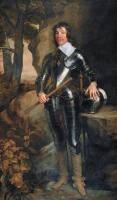
John Evelyn's Diary. 9th March 1649. Now were the Lords murdered in the Palace Yard. [Note. The original entry was dated 05 Mar 1649 whereas most sources agree on the date of their execution being 09 Mar 1649?]
Samuel Pepys' Diary. 7th February 1660. Tuesday. In the morning I went early to give Mr. Hawly notice of my being forced to go into London, but he having also business we left our office business to Mr. Spicer and he and I walked as far as the Temple [Map], where I halted a little and then went to Paul's School, but it being too soon, went and drank my morning draft with my cozen Tom Pepys the turner, and saw his house and shop, thence to school, where he that made the speech for the seventh form in praise of the founder, did show a book which Mr. Crumlum [aged 42] had lately got, which is believed to be of the Founder's own writing. After all the speeches, in which my brother John [aged 19] came off as well as any of the rest, I went straight home and dined, then to the Hall, where in the Palace I saw Monk's [aged 51] soldiers abuse Billing [aged 37] and all the Quakers, that were at a meeting-place there, and indeed the soldiers did use them very roughly and were to blame.1.
Note 1. "Fox [aged 35], or some other 'weighty' friend, on hearing of this, complained to Monk, who issued the following order, dated March 9th: 'I do require all officers and soldiers to forbear to disturb peaceable meetings of the Quakers, they doing nothing prejudicial to the Parliament or the Commonwealth of England. George Monk.' This order, we are told, had an excellent effect on the soldiers".-A. C. Bickley's 'George Fox and the Early Quakers, London, 1884, p. 179. The Quakers were at this time just coming into notice. The first preaching of George Fox, the founder, was in 1648, and in 1655 the preachers of the sect numbered seventy-three. Fox computed that there were seldom less than a thousand quakers in prison. The statute 13 and 14 Car. II cap. i. (1662) was "An act for preventing the mischiefs and dangers that may arise by certain persons called quakers and others, refusing to take lawful oaths". Billing is mentioned again on July 22nd, 1667, when he addressed Pepys in Westminster Hall.


Samuel Pepys' Diary. 9th March 1660. This day it was resolved that the writs do go out in the name of the Keepers of the Liberty, and I hear that it is resolved privately that a treaty be offered with the King [aged 29]. And that Monk [aged 51] did check his soldiers highly for what they did yesterday.
Calendar of State Papers Charles II 1665. 9th March 1665. Coffee House.
90. — to Sec. Bennet [aged 47]. The selling of places makes men steal to raise their money. The blowing up of the London was caused by chapmen selling powder 20s a barrel cheaper than in London. The Hollanders call the King's proclamation damnable, devilish, and such like, and are raising an army of 30,000 men. A Dutch man-of-war has taken two small Scotch ships. On reading the Order in Council for suspending the Act of Navigation, a Commonwealth man said it should have been done by privately warning the merchants, for it looked as though we feared the Dutch, since the last war was wholly on the Act of Navigation and might discourage the seamen, that Act being for their benefit; but it was replied that the cases were different, and the seamen would now have better pay than the merchants gave before the expedition. TheDuteblord who made the match between the Prince of Orange and the late King's daughter said he wondered they would print so dirty a to the King of England's ambassador, for in abusing his person, they abused His Majesty ; they say the King is their enemy, and defend their News-book. There is à rumour in the City that the aldermen and several companies will build the King a ship, to be called the London, and that another regiment of foot is to be raised and sent. into Ireland.


John Evelyn's Diary. 9th March 1665. I went to receive the poor creatures that were saved out of the London frigate, blown up by accident, with above 200 men.
Samuel Pepys' Diary. 9th March 1666. Up, and being ready, to the Cockpitt [Map] to make a visit to the Duke of Albemarle [aged 57], and to my great joy find him the same man to me that [he has been] heretofore, which I was in great doubt of, through my negligence in not visiting of him a great while; and having now set all to rights there, I am in mighty ease in my mind and I think shall never suffer matters to run so far backward again as I have done of late, with reference to my neglecting him and Sir W. Coventry [aged 38].

Samuel Pepys' Diary. 9th March 1667. But, Lord! to see how kind Sir W. Batten [aged 66] and his Lady are to me upon this business of my standing by Sir W. Batten against Carcasse, and I am glad of it. Captain Cocke [aged 50], who was here to-night, did tell us that he is certain that yesterday a proclamation was voted at the Council, touching the proclaiming of my Lord Duke of Buckingham [aged 39] a traytor, and that it will be out on Monday.


Chronicle of a Bourgeois of Valenciennes
Récits d’un bourgeois de Valenciennes aka The Chronicle of a Bourgeois of Valenciennes is a vivid 14th-century vernacular chronicle written by an anonymous urban chronicler from Valenciennes in the County of Hainaut. It survives in a manuscript that describes local and regional history from about 1253 to 1366, blending chronology, narrative episodes, and eyewitness-style accounts of political, military, and social events in medieval France, Flanders, and the Low Countries. The work begins with a chronological framework of events affecting Valenciennes and its region under rulers such as King Philip VI of France and the shifting allegiances of local nobility. It includes accounts of conflicts, sieges, diplomatic manoeuvres, and the impact of broader struggles like the Hundred Years’ War on urban life in Hainaut. Written from the perspective of a burgher (bourgeois) rather than a monastery or royal court, the chronicle offers a rare lay viewpoint on high politics and warfare, reflecting how merchants, townspeople, and civic institutions experienced the turbulence of the 13th and 14th centuries. Its narrative style combines straightforward reporting of events with moral and civic observations, making it a valuable source for readers interested in medieval urban society, regional politics, and the lived experience of war and governance in pre-modern Europe.
Available at Amazon in eBook and Paperback format.
Samuel Pepys' Diary. 9th March 1669. Up, and to the Tower; and there find Sir W. Coventry [aged 41] alone, writing down his journal, which, he tells me, he now keeps of the material things; upon which I told him, and he is the only man I ever told it to, I think, that I kept it most strictly these eight or ten years; and I am sorry almost that I told it him, it not being necessary, nor may be convenient to have it known. Here he showed me the petition he had sent to the King [aged 38] by my Lord Keeper, which was not to desire any admittance to employment, but submitting himself therein humbly to his Majesty; but prayed the removal of his displeasure, and that he might be set free. He tells me that my Lord Keeper did acquaint the King with the substance of it, not shewing him the petition; who answered, that he was disposing of his employments, and when that was done, he might be led to discharge him: and this is what he expects, and what he seems to desire. But by this discourse he was pleased to take occasion to shew me and read to me his account, which he hath kept by him under his own hand, of all his discourse, and the King's answers to him, upon the great business of my Lord Clarendon [aged 60], and how he had first moved the Duke of York [aged 35] with it twice, at good distance, one after another, but without success; shewing me thereby the simplicity and reasons of his so doing, and the manner of it; and the King's accepting it, telling him that he was not satisfied in his management, and did discover some dissatisfaction against him for his opposing the laying aside of my Lord Treasurer, at Oxford, which was a secret the King had not discovered. And really I was mighty proud to be privy to this great transaction, it giving me great conviction of the noble nature and ends of Sir W. Coventry in it, and considerations in general of the consequences of great men's actions, and the uncertainty of their estates, and other very serious considerations.


John Evelyn's Diary. 9th March 1690. Preached at Whitehall Dr. Burnet [aged 46], late Bishop of Sarum, on Heb. iv. 13, anatomically describing the texture of the eye; and that, as it received such innumerable sorts of spies through so very small a passage to the brain, and that without the least confusion or trouble, and accordingly judged and reflected on them; so God who made this sensory, did with the greatest ease and at once see all that was done through the vast universe, even to the very thought as well as action. This similitude he continued with much perspicuity and aptness; and applied it accordingly, for the admonishing us how uprightly we ought to live and behave ourselves before such an all-seeing Deity; and how we were to conceive of other his attributes, which we could have no idea of than by comparing them by what we were able to conceive of the nature and power of things, which were the objects of our senses; and therefore it was that in Scripture we attribute those actions and affections of God by the same of man, not as adequately or in any proportion like them, but as the only expedient to make some resemblance of his divine perfections; as when the Scripture says, "God will remember the sins of the penitent no more:" not as if God could forget anything, but as intimating he would pass by such penitents and receive them to mercy.


John Evelyn's Diary. 9th March 1690. I dined at the Bishop of St. Asaph's [aged 62], Almoner to the new Queen [aged 27], with the famous lawyer Sir George Mackenzie [aged 54] (late Lord Advocate of Scotland), against whom both the Bishop and myself had written and published books, but now most friendly reconciled. He related to us many particulars of Scotland, the present sad condition of it, the inveterate hatred which the Presbyterians show to the family of the Stuarts, and the exceeding tyranny of those bigots who acknowledge no superior on earth, in civil or divine matters, maintaining that the people only have the right of government; their implacable hatred to the Episcopal Order and Church of England. He observed that the first Presbyterian dissents from our discipline were introduced by the Jesuits' order, about the 20 of Queen Elizabeth, a famous Jesuit among them feigning himself a Protestant, and who was the first who began to pray extempore, and brought in that which they since called, and are still so fond of, praying by the Spirit. This Jesuit remained many years before he was discovered, afterward died in Scotland, where he was buried at ... having yet on his. Monument, "Rosa inter spinas"..


On 9th March 1709 Ralph Montagu 1st Duke Montagu [aged 70] died. He was buried at Westminster Abbey [Map]. His son John [aged 19] succeeded 2nd Duke Montagu, 4th Baron Montagu of Boughton in Northamptonshire. Mary Churchill Duchess of Montagu [aged 19] by marriage Duchess Montagu.


Between 22nd January 1715 and 9th March 1715 the 1715 General Election was held. The election had been caused by George I's [aged 54] succession. The Whig party, which supported George I, won an overwhelming majority.
John Rushout 4th Baronet [aged 29] was elected MP Malmesbury.
Leonard Smelt [aged 32] was elected MP Northallerton.
Thomas Frankland 3rd Baronet [aged 30] was elected MP Thirsk.
George Carpenter 1st Baron Carpenter [aged 57] was elected MP Whitchurch.


On 9th March 1746 Sophie Saxe Coburg Altenburg was born to Duke Frederick III of Saxe Coburg Altenburg III [aged 46] and Luise Dorothea Saxe Meiningen Duchess Saxe Gotha Altenburg [aged 35] at Gotha. She died aged less than one years old.
On 9th March 1771 Anne Spencer Duchess Hamilton Duchess Brandon [aged 61] died.
On 9th March 1780 Friedrich Karl Ludwig Oldenburg I Duke Schleswig-Holstein-Sonderburg-Beck [aged 22] and Friederike Schlieben Duchess Schleswig-Holstein-Sonderburg-Beck were married. She by marriage Duchess Schleswig-Holstein-Sonderburg-Beck. He the son of Karl Anton Oldenburg I Duke Schleswig-Holstein-Sonderburg-Beck and Frederica Charlotte Dohna Schlodien Duchess Schleswig-Holstein-Sonderburg-Beck.
Morning Chronicle, Issue 13055, 9th March 1811?: "The mother of White, the Drummer, who was executed on Thursday, with Hepburn, the Ensign, died of a broken heart on the day subsequent to her son’s untimely end. She never left her bed after having taken farewell of the culprit on the evening previous to his execution."
On 9th March 1838 Walter Rowlands Ingram was born to Reverend George Ingram at Chedburh Suffolk.
On 9th March 1850 William Hamo Thornycroft was born to Thomas Thornycroft [aged 34] and Mary Francis [aged 41]. He was baptised on 9th June 1850 at St Pancras Old Church [Map]. He married May 1884 Agatha Cox and had issue.

On 9th March 1852 Charlotte Philadelphia Horsley [aged 78] died. She has a monument at St Andrew's Church, Bolam [Map] commissioned by her only son William Horsley-Beresford 3rd Baron Decies [aged 40].
Charlotte Philadelphia Horsley: On 20th January 1774 she was born to Robert Horsley of Bolam House in Northumberland. On 26th July 1810 John Horsley Beresford 2nd Baron Decies and she were married.
Chronicle of Abbot Ralph of Coggeshall
The Chronicle of Abbot Ralph of Coggeshall (Chronicon Anglicanum) is an indispensable medieval history that brings to life centuries of English and European affairs through the eyes of a learned Cistercian monk. Ralph of Coggeshall, abbot of the Abbey of Coggeshall in Essex in the early 13th century, continued and expanded his community’s chronicle, documenting events from the Norman Conquest of 1066 into the tumultuous reign of King Henry III. Blending eyewitness testimony, careful compilation, and the monastic commitment to record-keeping, this chronicle offers a rare narrative of political intrigue, royal power struggles, and social upheaval in England and beyond. Ralph’s work captures the reigns of pivotal figures such as Richard I and King John, providing invaluable insights into their characters, decisions, and the forces that shaped medieval rule. More than a simple annal, Chronicon Anglicanum conveys the texture of medieval life and governance, making it a rich source for scholars and readers fascinated by English history, monastic authorship, and the shaping of the medieval world.
Available at Amazon in eBook and Paperback format.

On 9th March 1853 Colin Campbell was born to George Douglas Campbell 8th Duke Argyll [aged 29] and Elizabeth Georgiana Leveson-Gower Duchess Argyll. He married Gertrude Blood.
On 9th March 1877 Ralph William Percy was born to Henry George Percy 7th Duke Northumberland [aged 30] and Edith Campbell Duchess Northumberland [aged 27].
On 9th March 1881 Caroline Amalie Oldenburg Queen Norway [aged 84] died.
On 9th March 1888 William I King Prussia [aged 90] died. His son Frederick [aged 56] succeeded III Emperor aka Kaiser, III King Prussia. Victoria Empress Germany Queen Consort Prussia [aged 47] by marriage Empress aka Kaiser, Queen Prussia.


On 9th March 1946 a crowd crush that occurred on 9 March 1946 at Burnden Park football stadium, then the home of Bolton Wanderers. The crush resulted in the deaths of 33 people and injuries to hundreds of Bolton fans. The match, an FA Cup Sixth Round second-leg tie between Bolton and Stoke City, was allowed to continue, with the game ending goalless. The disaster brought about the Moelwyn Hughes report, which recommended more rigorous control of crowd sizes.
On 9th March 1213 Hugh IV Duke Burgundy was born to Odo III Duke Burgundy [aged 47] and Alice Vergy Duchess Burgundy. He a great x 4 grandson of King William "Conqueror" I of England. He married (1) 1219 his fourth cousin once removed Yolande Capet Duchess Burgundy, daughter of Robert Capet III Count Dreux and Aénor de Saint-Valéry, and had issue (2) 1258 his third cousin Beatrix Blois Duchess Burgundy, daughter of Theobald IV King Navarre and Margaret Bourbon Queen Consort Navarre.
On 9th March 1492 John Brydges 1st Baron Chandos was born to Giles Brugge 6th Baron Chandos [aged 30] and Isabel Baynham Baroness Chandos [aged 17] at Coberley, Gloucestershire. He married 1512 Elizabeth Grey Baroness Chandos, daughter of Edmund Grey 9th Baron Grey of Wilton and Florence Hastings Baroness Grey Wilton, and had issue.
On 9th March 1495 Margaret Neville was born to Richard Neville 2nd Baron Latimer of Snape [aged 27] and Anne Stafford Baroness Latimer [aged 24] at Latimer, Buckinghamshire. She a great x 4 granddaughter of King Edward III of England. She married (1) before 1512 her second cousin Edward Willoughby, son of Robert Willoughby 2nd Baron Willoughby 10th Baron Latimer and Elizabeth Beauchamp Baroness Willoughby of Broke, and had issue (2) after November 1517 her third cousin William Gascoigne and had issue.
On 9th March 1539 Infante Anthony Aviz was born to John III King Portugal [aged 36] and Catherine of Austria Queen Consort Portugal [aged 32]. Coefficient of inbreeding 11.30%. He died aged less than one years old.
On 9th March 1602 Edward Somerset 2nd Marquess Worcester was born to Henry Somerset 1st Marquess Worcester [aged 25] and Anne Russell Countess Worcester [aged 24]. He married (1) 1628 his fourth cousin Elizabeth Dormer and had issue (2) 1639 his fourth cousin Margaret O'Brien Marchioness of Worcester, daughter of Henry O'Brien 5th Earl Thomond and Mary Brereton Countess Thomond.
On 9th March 1627 Thomas Howard 5th Duke of Norfolk was born to Henry Howard 15th or 22nd Earl of Arundel 5th Earl of Surrey 2nd Earl Norfolk [aged 18] and Elizabeth Stewart Countess Arundel and Norfolk [aged 17].
Chronicle of Abbot Ralph of Coggeshall
The Chronicle of Abbot Ralph of Coggeshall (Chronicon Anglicanum) is an indispensable medieval history that brings to life centuries of English and European affairs through the eyes of a learned Cistercian monk. Ralph of Coggeshall, abbot of the Abbey of Coggeshall in Essex in the early 13th century, continued and expanded his community’s chronicle, documenting events from the Norman Conquest of 1066 into the tumultuous reign of King Henry III. Blending eyewitness testimony, careful compilation, and the monastic commitment to record-keeping, this chronicle offers a rare narrative of political intrigue, royal power struggles, and social upheaval in England and beyond. Ralph’s work captures the reigns of pivotal figures such as Richard I and King John, providing invaluable insights into their characters, decisions, and the forces that shaped medieval rule. More than a simple annal, Chronicon Anglicanum conveys the texture of medieval life and governance, making it a rich source for scholars and readers fascinated by English history, monastic authorship, and the shaping of the medieval world.
Available at Amazon in eBook and Paperback format.
On 9th March 1654 Robert Leke 3rd Earl Scarsdale was born to Nicholas Leke 2nd Earl Scarsdale [aged 42] and Frances Rich Countess Scarsdale. He married 11th February 1672 Mary Lewis Countess Scarsdale, daughter of John Lewis 1st Baronet and Sarah Foote Lady Lewis, and had issue.
On 9th March 1663 Peletiah Barnardiston 3rd Baronet was born to Nathaniel Barnardiston [aged 44].
On 9th March 1666 George Granville 1st Baron Lansdowne was born to Bernard Granville [aged 35] and Anne Morley [aged 23]. He married 15th December 1711 Mary Villiers Baroness Lansdowne, daughter of Edward Villiers 1st Earl Jersey and Barbara Chiffinch Countess Jersey, and had issue.
On 9th December 17201. Philip Yorke 2nd Earl of Hardwicke was born to Philip Yorke 1st Earl of Hardwicke [aged 30] and Margaret Cocks Countess Hardwicke. We take as our source the Life and Correspondence of Philip Yorke.
Note 1. Wikipedia says 9th March 1720. He married 1740 Jemima Campbell 2nd Marchioness Grey, daughter of John Campbell 3rd Earl Breadalbaine and Holland and Amabel Grey, and had issue.


On 9th March 1730 Bishop James Yorke was born to Philip Yorke 1st Earl of Hardwicke [aged 39] and Margaret Cocks Countess Hardwicke. He married before 5th May 1762 Mary Maddox, daughter of Bishop Isaac Maddox, and had issue.
On 9th March 1746 Sophie Saxe Coburg Altenburg was born to Duke Frederick III of Saxe Coburg Altenburg III [aged 46] and Luise Dorothea Saxe Meiningen Duchess Saxe Gotha Altenburg [aged 35] at Gotha. She died aged less than one years old.
On 9th March 1775 Joseph Wallis Hoare 3rd Baronet was born to Edward Hoare 2nd Baronet [aged 29]. He married 17th April 1800 Harriet O'Brien and had issue.

On 9th March 1803 Henry Lowry-Corry was born to Somerset Lowry-Corry 2nd Earl Belmore [aged 28] and Juliana Butler Countess Belmore [aged 19]. Coefficient of inbreeding 6.27%. He married 1830 his half sixth cousin Harriet Anne Ashley-Cooper, daughter of Cropley Ashley-Cooper 6th Earl Shaftesbury and Anne Spencer-Churchill Countess Shaftesbury, and had issue.
On 9th March 1815 Reverend Alleyn Fitzherbert was born to Henry FitzHerbert 3rd Baronet [aged 31] and Agnes Beresford Lady Fitzherbert [aged 30].
On 9th March 1837 Florance George Henry Irby 5th Baron Boston was born to George Ives Irby 4th Baron Boston [aged 34] and Fanny Elizabeth Hopkins-Northey Baroness Boston [aged 28].
Chronicle of Walter of Guisborough
A canon regular of the Augustinian Guisborough Priory, Yorkshire, formerly known as The Chronicle of Walter of Hemingburgh, describes the period from 1066 to 1346. Before 1274 the Chronicle is based on other works. Thereafter, the Chronicle is original, and a remarkable source for the events of the time. This book provides a translation of the Chronicle from that date. The Latin source for our translation is the 1849 work edited by Hans Claude Hamilton. Hamilton, in his preface, says: 'In the present work we behold perhaps one of the finest samples of our early chronicles, both as regards the value of the events recorded, and the correctness with which they are detailed; Nor will the pleasing style of composition be lightly passed over by those capable of seeing reflected from it the tokens of a vigorous and cultivated mind, and a favourable specimen of the learning and taste of the age in which it was framed.'
Available at Amazon in eBook and Paperback format.
On 9th March 1838 Walter Rowlands Ingram was born to Reverend George Ingram at Chedburh Suffolk.
On 9th March 1842 John Henry Thorold 12th Baronet was born to John Charles Thorold 11th Baronet [aged 25] and Elizabeth Frances Thoroton-Hildyard. He married 3rd February 1869 Alexandrina Henrietta Matilda Willoughby, daughter of Henry Willoughby 8th Baron Middleton and Julia Louisa Bosville Baroness Middleton, and had issue.
On 9th March 1842 Anthony Cope 13th Baronet was born to William Henry Cope 12th Baronet [aged 31].
On 9th March 1850 William Hamo Thornycroft was born to Thomas Thornycroft [aged 34] and Mary Francis [aged 41]. He was baptised on 9th June 1850 at St Pancras Old Church [Map]. He married May 1884 Agatha Cox and had issue.
On 9th March 1851 Arthur Edward Casamaijor Cole was born to William Willoughby Cole 3rd Earl Enniskillen [aged 44] and Jane Casamaijor Countess Enniskillen.


On 9th March 1853 Colin Campbell was born to George Douglas Campbell 8th Duke Argyll [aged 29] and Elizabeth Georgiana Leveson-Gower Duchess Argyll. He married Gertrude Blood.
On 9th March 1863 Bishop Rupert Gascoyne-Cecil was born to Robert Gascoyne-Cecil 3rd Marquess Salisbury [aged 33] and Georgina Anderson [aged 36]. He married 16th August 1887 his sixth cousin Florence Bootle Wibraham, daughter of Edward Bootle Wibraham 1st Earl Lathom and Alice Villiers Countess Lathom, and had issue.


On 9th March 1874 Alice Adeliza Hervey Baroness Hylton was born to Frederick William John Hervey 3rd Marquess of Bristol [aged 39] and Geraldine Anson Marchioness of Bristol [aged 40]. Coefficient of inbreeding 1.60%. She married 1896 her half fifth cousin Hylton Jolliffe 3rd Baron Hylton, son of Hedworth Jolliffe 2nd Baron Hylton and Agnes Mary Georgiana Byng, and had issue.


On 9th March 1877 Ralph William Percy was born to Henry George Percy 7th Duke Northumberland [aged 30] and Edith Campbell Duchess Northumberland [aged 27].
On 9th March 1877 Caryl Ernest Bagot 6th Baron Bagot was born to Reverend Lewis Richard Charles Bagot [aged 30].
On 3rd May 1891 Ralph Beckett 3rd Baron Grimthorpe was born to Ernest William Beckett 2nd Baron Grimthorpe [aged 34] and Lucy Tracy Lee. His mother died from childbirth six days later. He married 3rd September 1914 Mary Alice Archdale Baroness Beckett and had issue.


Adam Murimuth's Continuation and Robert of Avesbury’s 'The Wonderful Deeds of King Edward III'
This volume brings together two of the most important contemporary chronicles for the reign of Edward III and the opening phases of the Hundred Years’ War. Written in Latin by English clerical observers, these texts provide a vivid and authoritative window into the political, diplomatic, and military history of fourteenth-century England and its continental ambitions. Adam Murimuth Continuatio's Chronicarum continues an earlier chronicle into the mid-fourteenth century, offering concise but valuable notices on royal policy, foreign relations, and ecclesiastical affairs. Its annalistic structure makes it especially useful for establishing chronology and tracing the development of events year by year. Complementing it, Robert of Avesbury’s De gestis mirabilibus regis Edwardi tertii is a rich documentary chronicle preserving letters, treaties, and official records alongside narrative passages. It is an indispensable source for understanding Edward III’s claim to the French crown, the conduct of war, and the mechanisms of medieval diplomacy. Together, these works offer scholars, students, and enthusiasts a reliable and unembellished account of a transformative period in English and European history. Essential for anyone interested in medieval chronicles, the Hundred Years’ War, or the reign of Edward III.
Available at Amazon in eBook and Paperback format.
On 9th March 1892 Victoria Mary "Vita" Sackville-West was born to Lionel Sackville-West 3rd Baron Sackville [aged 24] and Victoria Sackville-West Baroness Sackville. Coefficient of inbreeding 6.26%. She married 1913 Harold George Nicolson of Sissinghurst Castle in Kent and had issue.

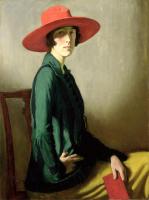
On 9th March 1915 Francis Knowles 6th Baronet was born to Francis Knowles 5th Baronet [aged 29].
On 9th March 1924 June Mary Ponsonby Baroness Grimston was born to Hubert William Ponsonby 5th Baron de Mauley [aged 45] and Elgiva Margaret Dundas Baroness de Mauley [aged 26]. She married 21st June 1949 Robert Walter Sigismund Grimston 2nd Baron Grimston, son of Robert Villiers Grimston 1st Baron Grimston and Sybil Rose Neumann Baroness Grimston, and had issue.
On 9th March 1963 Ivar Mountbatten was born to David Mountbatten 3rd Marquess Milford Haven [aged 43] and Janet Bryce Marchioness Milford Haven. He a great x 3 grandson of Queen Victoria of the United Kingdom.
On 9th March 1598 Henry Berkeley 7th Baron Berkeley [aged 63] and Jane Stanhope Baroness Berkeley [aged 51] were married at St Giles without Cripplegate Church [Map]. She by marriage Baroness Berkeley.
On 9th March 1735 Mark Sykes 1st Baronet [aged 23] and Decima Woodham were married.
On 9th March 1738 Charles Tynte 5th Baronet [aged 27] and Anne Busby Lady Tynte were married.
On 9th March 1753 Frederick Calvert 6th Baron Baltimore [aged 22] and Diana Egerton Baroness Baltimore [aged 22] were married. She by marriage Baroness Baltimore of Longford in Leinster. She the daughter of Scroop Egerton 1st Duke Bridgewater and Rachel Russell Duchess Bridgewater [aged 46].
On 9th March 1766 Anthony Farrington 1st Baronet [aged 24] and Elizabeth Colden were married.
On 9th March 1766 William Flower 2nd Viscount Ashbrook [aged 21] and Elizabeth Ridge Viscountess Ashbrook [aged 19] were married. She by marriage Viscountess Ashbrook.
On 9th March 1771 John Aubrey 6th Baronet [aged 31] and Mary Colebrooke [aged 21] were married.
Chronicle of Geoffrey le Baker of Swinbroke
Baker was a secular clerk from Swinbroke, now Swinbrook, an Oxfordshire village two miles east of Burford. His Chronicle describes the events of the period 1303-1356: Gaveston, Bannockburn, Boroughbridge, the murder of King Edward II, the Scottish Wars, Sluys, Crécy, the Black Death, Winchelsea and Poitiers. To quote Herbert Bruce 'it possesses a vigorous and characteristic style, and its value for particular events between 1303 and 1356 has been recognised by its editor and by subsequent writers'. The book provides remarkable detail about the events it describes. Baker's text has been augmented with hundreds of notes, including extracts from other contemporary chronicles, such as the Annales Londonienses, Annales Paulini, Murimuth, Lanercost, Avesbury, Guisborough and Froissart to enrich the reader's understanding. The translation takes as its source the 'Chronicon Galfridi le Baker de Swynebroke' published in 1889, edited by Edward Maunde Thompson.
Available at Amazon in eBook and Paperback format.
On 9th March 1780 Friedrich Karl Ludwig Oldenburg I Duke Schleswig-Holstein-Sonderburg-Beck [aged 22] and Friederike Schlieben Duchess Schleswig-Holstein-Sonderburg-Beck were married. She by marriage Duchess Schleswig-Holstein-Sonderburg-Beck. He the son of Karl Anton Oldenburg I Duke Schleswig-Holstein-Sonderburg-Beck and Frederica Charlotte Dohna Schlodien Duchess Schleswig-Holstein-Sonderburg-Beck.
On 9th March 1782 John Gregory Shaw 5th Baronet [aged 25] and Theodosia Margaret Monson Lady Shaw [aged 19] were married at St Marylebone Church. She by marriage Lady Shaw of Eltham in Kent.
On 9th March 1796 Alan Hyde Gardner 2nd Baron Gardner [aged 26] and Maria Elizabeth Adderley Baroness Gardner [aged 20] were married at either Fort George, Chennai, or Fort George, West Indies.
On 9th March 1797 Frederick Vane-Fletcher 2nd Baronet [aged 37] and Hannah Bowerbank [aged 24] were married. Three weeks later their third child was born. The date of their marriage subject to litigation some forty years after the death of Frederick Vane-Fletcher 2nd Baronet when his brother Frederick Henry Fletcher-Vane claimed the marriage was did not take place until after the birth of their son Francis who was, therefore, illegitimate and not eligible to inherit the family estates. See The Times.
On 9th March 1906 Gerald Arthur Arundell 15th Baron Arundel [aged 44] and Ivy Florence Mary Segrave Baroness Arundel Wardour [aged 31] were married. She by marriage Baroness Arundel of Wardour in Wiltshire.
On 9th March 1062 Herbert Maine II Count Maine died.
On 9th March 1302 Richard Fitzalan 1st or 8th Earl of Arundel [aged 35] died. He was buried at Haughmond Abbey [Map]. His son Edmund [aged 16] succeeded 2nd or 9th Earl Arundel.
On 9th March 1312 Beatrice Montfort Countess Dreux [aged 63] died.
On 9th March 1483 Margaret Savoy Countess Saint Pol [aged 43] died.
On 9th March 1512 John Brooke 7th Baron Cobham [aged 64] died at Cowling, Kent. He was buried at Church of St Mary Magdalene, Cobham. His son Thomas [aged 42] succeeded 8th Baron Cobham.
Chronicle of Walter of Guisborough
A canon regular of the Augustinian Guisborough Priory, Yorkshire, formerly known as The Chronicle of Walter of Hemingburgh, describes the period from 1066 to 1346. Before 1274 the Chronicle is based on other works. Thereafter, the Chronicle is original, and a remarkable source for the events of the time. This book provides a translation of the Chronicle from that date. The Latin source for our translation is the 1849 work edited by Hans Claude Hamilton. Hamilton, in his preface, says: 'In the present work we behold perhaps one of the finest samples of our early chronicles, both as regards the value of the events recorded, and the correctness with which they are detailed; Nor will the pleasing style of composition be lightly passed over by those capable of seeing reflected from it the tokens of a vigorous and cultivated mind, and a favourable specimen of the learning and taste of the age in which it was framed.'
Available at Amazon in eBook and Paperback format.

On 9th March 1589 Frances Sidney Countess Sussex [aged 58] died. On 15th April 1589 she was buried in Chapel of St Paul, Westminster Abbey [Map].
On 9th March 1621 John Stanhope 1st Baron Stanhope [aged 72] died. His son Charles [aged 28] succeeded 2nd Baron Stanhope of Harrington.
On 9th March 1649 at the Old Palace Yard, Westminster Palace three Royalist Lords were beheaded ...
Arthur Capell 1st Baron Capell Hadham [aged 41] was beheaded. His son Arthur [aged 17] succeeded 2nd Baron Capell Hadham.
Henry Rich 1st Earl Holland [aged 58] was beheaded. His son Robert [aged 30] succeeded 2nd Earl Holland. Elizabeth Ingram Countess Holland [aged 26] by marriage Countess Holland.
James Hamilton 1st Duke Hamilton [aged 42] was beheaded. His brother William [aged 32] succeeded 2nd Duke Hamilton, 3rd Earl Cambridge, 3rd Baron Innerdale by special remainder.
John Owen [aged 49] had been sentenced to death but was subsequently pardoned.
On 9th March 1650 Elizabeth Darcy 1st Countess Rivers [aged 69] died. Earl Rivers extinct since it was a created for life only.
On 9th March 1709 Ralph Montagu 1st Duke Montagu [aged 70] died. He was buried at Westminster Abbey [Map]. His son John [aged 19] succeeded 2nd Duke Montagu, 4th Baron Montagu of Boughton in Northamptonshire. Mary Churchill Duchess of Montagu [aged 19] by marriage Duchess Montagu.
On 9th March 1714 Hugh Acland 5th Baronet [aged 75] died. His grandson Hugh [aged 17] succeeded 6th Baronet Acland of Columb John in Devon.
On 9th March 1738 Edward Leigh 3rd Baron Leigh [aged 54] died. His son Thomas [aged 24] succeeded 4th Baron Leigh of Stoneleigh in Warwickshire, 5th Baronet Leigh of Stoneleigh in Warwickshire
On 9th March 1762 George Carpenter 1st Earl Tyrconnel [aged 38] died. His son George [aged 12] succeeded 2nd Earl Tyrconnel, 4th Baron Carpenter of Killaghy in County Tipperary.
On 9th March 1771 Anne Spencer Duchess Hamilton Duchess Brandon [aged 61] died.
On 9th March 1785 Reverend William Anderson 6th Baronet [aged 62] died. His son Edmund [aged 26] succeeded 7th Baronet Anderson of Broughton in Lincolnshire.
On 9th March 1786 Christopher Whichcote 4th Baronet [aged 48] died. His son Thomas [aged 23] succeeded 5th Baronet Whichcote of the Inner Temple in the City of London. Diana Turnor Lady Whichcote [aged 23] by marriage Lady Whichcote of the Inner Temple in the City of London.
Chronicle of Abbot Ralph of Coggeshall
The Chronicle of Abbot Ralph of Coggeshall (Chronicon Anglicanum) is an indispensable medieval history that brings to life centuries of English and European affairs through the eyes of a learned Cistercian monk. Ralph of Coggeshall, abbot of the Abbey of Coggeshall in Essex in the early 13th century, continued and expanded his community’s chronicle, documenting events from the Norman Conquest of 1066 into the tumultuous reign of King Henry III. Blending eyewitness testimony, careful compilation, and the monastic commitment to record-keeping, this chronicle offers a rare narrative of political intrigue, royal power struggles, and social upheaval in England and beyond. Ralph’s work captures the reigns of pivotal figures such as Richard I and King John, providing invaluable insights into their characters, decisions, and the forces that shaped medieval rule. More than a simple annal, Chronicon Anglicanum conveys the texture of medieval life and governance, making it a rich source for scholars and readers fascinated by English history, monastic authorship, and the shaping of the medieval world.
Available at Amazon in eBook and Paperback format.
On 9th March 1795 Henry Hoghton 6th Baronet [aged 66] died at Walton Hall, Preston. His son Henry [aged 26] succeeded 7th Baronet Hoghton of Hoghton Tower in Lancashire.
On 9th March 1812 Archdeacon Andrew Burnaby [aged 79] died at Blackheath, Greenwich [Map]. He was buried at the Church of St John the Baptist Hungarton.
On 9th March 1817 Jane Champagné Countess Uxbridge [aged 75] died.

On 9th March 1821 Wilbrahim Tollemache 6th Earl Dysart [aged 81] died. His sister Louisa [aged 75] succeeded 7th Countess Dysart. Baronet Talmash of Helmingham in Suffolk extinct. Her grandson William Manners aka Tollemache 1st Baronet [aged 54] assumed the name Tollemache.
On 9th March 1823 Mary Vincent Countess Rosebery [aged 70] died.
On 9th March 1853 Edward Kerrison 1st Baronet [aged 76] died. His son Edward [aged 32] succeeded 2nd Baronet Kerrison of Wyke-House in Sussex. Caroline Margaret Fox-Strangways Lady Kerrison [aged 34] by marriage Lady Kerrison of Wyke-House in Sussex.
On 9th March 1857 James Duff 4th Earl Fife [aged 80] died. His nephew James [aged 42] succeeded 5th Earl Fife.
On 9th March 1869 John Peter Boileau 1st Baronet [aged 74] died. He was buried in the family vault at St Peter's Church, Ketteringham. His son Francis [aged 38] succeeded 2nd Baronet Boileau of Tacolneston Hall in Norfolk. Lucy Henrietta Nugent Lady Boileau by marriage Lady Boileau of Tacolneston Hall in Norfolk.
On 9th March 1881 Caroline Amalie Oldenburg Queen Norway [aged 84] died.

On 9th March 1882 Thomas James Agar aka Agar-Robartes 1st Baron Robartes [aged 73] died. His son Thomas [aged 38] succeeded 2nd Baron Robartes of Lanhydrock and of Truro in Cornwall.
Chronicle of Walter of Guisborough
A canon regular of the Augustinian Guisborough Priory, Yorkshire, formerly known as The Chronicle of Walter of Hemingburgh, describes the period from 1066 to 1346. Before 1274 the Chronicle is based on other works. Thereafter, the Chronicle is original, and a remarkable source for the events of the time. This book provides a translation of the Chronicle from that date. The Latin source for our translation is the 1849 work edited by Hans Claude Hamilton. Hamilton, in his preface, says: 'In the present work we behold perhaps one of the finest samples of our early chronicles, both as regards the value of the events recorded, and the correctness with which they are detailed; Nor will the pleasing style of composition be lightly passed over by those capable of seeing reflected from it the tokens of a vigorous and cultivated mind, and a favourable specimen of the learning and taste of the age in which it was framed.'
Available at Amazon in eBook and Paperback format.
On 9th March 1888 William I King Prussia [aged 90] died. His son Frederick [aged 56] succeeded III Emperor aka Kaiser, III King Prussia. Victoria Empress Germany Queen Consort Prussia [aged 47] by marriage Empress aka Kaiser, Queen Prussia.
On 9th March 1893 William Twisden 9th Baronet [aged 75] died. He was buried in Epsom Cemetery Grave A26A. He left a personal estate of £95. His son Roger [aged 40] succeeded 10th Baronet Twisden of Bradbourne in Kent. He appears not to have used the title.
On 9th March 1895 Reverend Edward Rogers 10th Baronet [aged 75] died unmarried. He was buried at St Michael's Church, Cornwood [Map]. Baronet Rogers of Wisdome in Devon extinct.
On 9th March 1898 Mary Louisa Lambton Countess Kincardine and Elgin [aged 78] died.
On 9th March 1911 Edith Lydia Drummond Ward Viscountess Hood [aged 63] died.
On 9th March 1918 George Sidney Meade Thomas 6th Baronet [aged 71] died. His son George [aged 36] succeeded 7th Baronet Thomas of Yapton in Sussex.
On 9th March 1924 Frances Geraldine Fitzgerald Lady Glyn [aged 80] died.

On 9th March 1935 Emma Hatch Countess of Clarendon [aged 80] died.
On 9th March 1942 Edward Walter Joseph Patrick Herbert Smythe 9th Baronet [aged 72] died at Church Stretton, Shropshire. Baronet Smythe extinct.
On 9th March 1976 Ralph Stonor 6th Baron Camoys [aged 62] died. His son Thomas [aged 35] succeeded 7th Baron Camoys.
Jean de Waurin's Chronicle of England Volume 6 Books 3-6: The Wars of the Roses
Jean de Waurin was a French Chronicler, from the Artois region, who was born around 1400, and died around 1474. Waurin’s Chronicle of England, Volume 6, covering the period 1450 to 1471, from which we have selected and translated Chapters relating to the Wars of the Roses, provides a vivid, original, contemporary description of key events some of which he witnessed first-hand, some of which he was told by the key people involved with whom Waurin had a personal relationship.
Available at Amazon in eBook and Paperback format.
On 9th March 2000 Francis John Vernon Hereward Dashwood 11th Baronet [aged 74] died. His son Edward [aged 35] succeeded 12th Baronet Dashwood of West Wycombe in Buckinghamshire.