

25 Sep is in September.
On 25th September 1066 King Harold II of England [aged 44], supported by the brothers Edwin Earl of Mercia and Morcar Earl Northumbria, defeated the Viking army at the Battle of Stamford Bridge at Stamford Bridge [Map].
King Harald Hardrada III of Norway [aged 51] was killed. His son Magnus [aged 18] succeeded King Norway.
Harold's brother, fighting against Harold, Tostig Godwinson Earl Northumbria [aged 40] was killed.
Anglo-Saxon Chronicle. 25th September 1066. Then after the fight went Harold, King of Norway [aged 51], and Earl Tosty [aged 40] into York with as many followers as they thought fit; and having procured hostages and provisions from the city, they proceeded to their ships, and proclaimed full friendship, on condition that all would go southward with them, and gain this land. In the midst of this came Harold, king of the English, with all his army, on the Sunday, to Tadcaster; where he collected his fleet. Thence he proceeded on Monday throughout York. But Harald, King of Norway, and Earl Tosty, with their forces, were gone from their ships beyond York to Stanfordbridge; for that it was given them to understand, that hostages would be brought to them there from all the shire. Thither came Harold, king of the English [aged 44], unawares against them beyond the bridge; and they closed together there, and continued long in the day fighting very severely. There was slain Harald the Fair-hair'd, King of Norway, and Earl Tosty, and a multitude of people with them, both of Normans and English;91 and the Normans that were left fled from the English, who slew them hotly behind; until some came to their ships, some were drowned, some burned to death, and thus variously destroyed; so that there was little left: and the English gained possession of the field. But there was one of the Norwegians who withstood the English folk, so that they could not pass over the bridge, nor complete the victory. An Englishman aimed at him with a javelin, but it availed nothing. Then came another under the bridge, who pierced him terribly inwards under the coat of mail. And Harold, king of the English, then came over the bridge, followed by his army; and there they made a great slaughter, both of the Norwegians and of the Flemings. But Harold let the king's son, Edmund, go home to Norway with all the ships. He also gave quarter to Olave [aged 16], the Norwegian king's son, and to their bishop, and to the earl of the Orkneys, and to all those that were left in the ships; who then went up to our king, and took oaths that they would ever maintain faith and friendship unto this land. Whereupon the King let them go home with twenty-four ships. These two general battles were fought within five nights.
Note 91. It is scarcely necessary to observe that the term "English" begins about this time to be substituted for "Angles"; and that the Normans are not merely the Norwegians, but the Danes and other adventurers from the north, joined with the forces of France and Flanders; who, we shall presently see, overwhelmed by their numbers the expiring, liberties of England. The Franks begin also to assume the name of Frencyscan or "Frenchmen".
Chronicon ex Chronicis by Florence and John of Worcester. 25th September 1066. However, on the fifth day afterwards, viz. on Monday, the seventh of the calends of October [25th September], Harold [aged 44], king of England, having reached York, with many thousand well-armed troops, encountered the Norwegians at a place called Stanford-bridge, and put to the sword king Harold and earl Tosti [aged 40], with the greatest part of their army; and, although the battle was severely contested, gained a complete victory. Notwithstanding, he allowed Harold's son Olaf, and Paul, earl of Orkney, who had been left with part of the army to guard the ships, to return to their own country, with twenty ships and the relics of the [defeated] army; having first received from them hostages and their oaths.
Chronicle of William of Malmesbury Book 2 Chapter 13. [25th September 1066] Harold, on hearing this, proceeded thither with all his forces, and, each nation making every possible exertion, a bloody encounter followed: but the English obtained the advantage, and put the Norwegians to flight. Yet, however reluctantly posterity may believe it, one single Norwegian for a long time delayed the triumph of so many, and such great men. For standing on the entrance of the bridge, which is called Standford Brigge,287 after having killed several of our party, he prevented the whole from passing over. Being invited to surrender, with the assurance that a man of such courage should experience the amplest clemency from the English, he derided those who entreated him; and immediately, with stern countenance, reproached the set of cowards who were unable to resist an individual. No one approaching nearer, as they thought it unadvisable to come to close quarters with a man who had desperately rejected every means of safety, one of the king's followers aimed an iron javelin at him from a distance; and transfixed him as he was boastfully flourishing about, and too incautious from his security, so that he yielded the victory to the English. The army immediately passing over without opposition, destroyed the dispersed and flying Norwegians. King Harfager and Tosty were slain; the king's son, with all the ships, was kindly sent back to his own country. Harold, elated by his successful enterprise, vouchsafed no part of the spoil to his soldiers. Wherefore many, as they found opportunity, stealing away, deserted the king, as he was proceeding to the battle of Hastings.
Note 287. The battle of Stanford-bridge was fought on the 25th of September, 1066. See Saxon. Chron. p. 440.
Chronicle of Henry of Huntingdon 1066. [25th September 1066]. When this intelligence reached Harold, king of England [aged 44], he advanced with a powerful army, and came up with the invaders at Stanford Bridge. The battle was desperately fought, the armies being engaged from daybreak to noonday, when, after fierce attacks on both sides, the Norwegians were forced to give way before the superior numbers of the English, but retreated in good order. Being driven across the river1, the living trampling on the corpses of the slain, they resolutely made a fresh stand. Here a single Norwegian, whose name ought to have been preserved, took post on a bridge, and hewing down more than forty of the English with a battleaxe, his country's weapon, stayed the advance of the whole English army till the ninth hour. At last some one came under the bridge in a boat, and thrust a spear into him, through the chinks of the flooring. The English having gained a passage, King Harold [aged 51] and Tosti [aged 40] were slain; and their whole army were either slaughtered, or, being taken prisoners, were burnt.
Note 1. River Ouse.
Note 2. The battle of Stanford Bridge was fought on the eve of St. Matthew, 20th September, 1066. [Note. The currently accepted date is the 25th of September 1066. The Battle of Fulfod was fought on the eve of the Feast of St Matthew i.e. 20th of September.]
Saga of Harald Hardrade Book 2 Chapter 42. Of the Beginning of the Battle.
[25th September 1066]. Now the battle began. The Englishmen made a hot assault upon the Northmen, who sustained it bravely. It was no easy matter for the English to ride against the Northmen on account of their spears; therefore they rode in a circle around them. And the fight at first was but loose and light, as long as the Northmen kept their order of battle; for although the English rode hard against the Northmen, they gave way again immediately, as they could do nothing against them. Now when the Northmen thought they perceived that the enemy were making but weak assaults, they set after them, and would drive them into flight; but when they had broken their shield-rampart the Englishmen rode up from all sides, and threw arrows and spears on them. Now when King Harald Sigurdson saw this, he went into the fray where the greatest crash of weapons was, and there was a sharp conflict, in which many people fell on both sides. King Harald then was in a rage, and ran out in front of the array, and hewed down with both hands; so that neither helmet nor armour could withstand him, and all who were nearest gave way before him. It was then very near with the English that they had taken to flight. So says Arnor, the earls' skald: --
"Where battle-storm was ringing,
Where arrow-cloud was singing,
Harald stood there,
Of armour bare,
His deadly sword still swinging.
The foeman feel its bite;
His Norsemen rush to fight,
Danger to share,
With Harald there,
Where steel on steel was ringing."
Fagrskinna. [25th September 1066]. King Harald Sigurtharson rode on a black horse with a white mark out before his troop and saw how the retinue was positioned, and he arranged them further forward, as he then wanted. And during this ride the horse fell beneath him, and the king from off it, and he said: 'A fall is a good sign for a journey.' Then Harald, king of the Angles, spoke with the Norsemen who were with him: 'Do you know that noble man with the blue kirtle and impressive helmet, who launched himself off his horse?' They answered, 'We know him; that was the king of the Norsemen.' Then the king of the Angles said, 'He is a great and princely man, and it is likely that he has come to the end of his luck.'
Haraldr konongr Sighurðarsun ræið svǫrtum hesti blesóttom firir framan fylking sína ok sá hværsu liðit stóð, ok skipaðe þæim framar er þá villde hann. Ok í þesse ræið fell hestrenn undir hanum oc konongrenn framm af, oc mǽllti, "Fall er farar hæill." Þá mǽllti Haraldr Ænghla konongr viðr Norðmenn þá er með hanum váro, "Kenndo þér þenn hinn myckla meðr þæim blá kyrtli oc hin faghra hialm, er þer skaut sér af hestinum frem? Þeir svaraðo, "Kennom vér; þet var Norðmanna konongr." Þá mǽllti Ænghla konongr, "Mikill maðr oc hǫfðinghlegr er hann, oc hitt er nú venna at farinn sé at hamingiu."
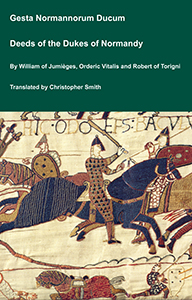 History of the Dukes of Normandy by William of Jumieges. Thereafter the duke [William] sent Earl Tostig1 into England, but Harold's army, guarding the sea, drove him off by arms. And Tostig, not being able to enter England safely, nor to return to Normandy because the wind was against him, went to Harald Hardrada [aged 51], king of Norway, and humbly begged him to help him. He gladly acquiesced to Tustin's request.
Porro dux Tustinum comitem in Angliam misit, sed militia Heraldi mare servans eum armis abegit. At ille non valens salubriter Angliam introire, neque Northmanniam, quia ventus obstabat redire, Heraldum Herfagam Northwege regem adiit, ipsumque supplex ut se juvaret rogavit. Ipse vero precanti Tustino libenter acquievit.
Note 1. Earl Tostig was a younger brother of Harold Godwinson. He was killed at the Battle of Stamford Bridge fighting against his brother King Harold on 25th September 1066.
On 25th September 1086 Guy William Poitiers VIII Duke Aquitaine [aged 61] died. His son William [aged 14] succeeded IX Duke Aquitaine.
On 25th September 1216 Robert Capet Count of Artois was born to King Louis VIII of France [aged 29] and Blanche Ivrea Queen Consort France [aged 28]. He a great grandson of King Henry "Curtmantle" II of England. He married 14th June 1237 his third cousin Matilda Reginar Countess Saint Pol, daughter of Henry Reginar II Duke Brabant and Marie Swabia Duchess Brabant, and had issue.
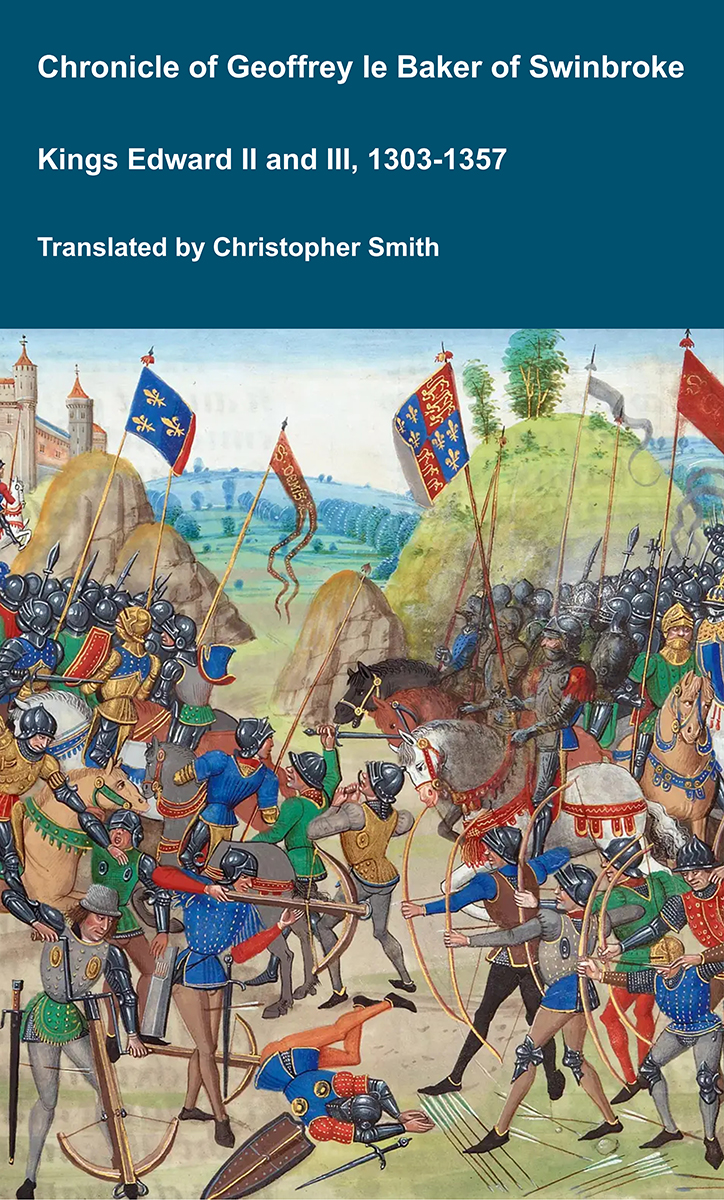
Chronicle of Geoffrey le Baker of Swinbroke
Baker was a secular clerk from Swinbroke, now Swinbrook, an Oxfordshire village two miles east of Burford. His Chronicle describes the events of the period 1303-1356: Gaveston, Bannockburn, Boroughbridge, the murder of King Edward II, the Scottish Wars, Sluys, Crécy, the Black Death, Winchelsea and Poitiers. To quote Herbert Bruce 'it possesses a vigorous and characteristic style, and its value for particular events between 1303 and 1356 has been recognised by its editor and by subsequent writers'. The book provides remarkable detail about the events it describes. Baker's text has been augmented with hundreds of notes, including extracts from other contemporary chronicles, such as the Annales Londonienses, Annales Paulini, Murimuth, Lanercost, Avesbury, Guisborough and Froissart to enrich the reader's understanding. The translation takes as its source the 'Chronicon Galfridi le Baker de Swynebroke' published in 1889, edited by Edward Maunde Thompson.
Available at Amazon in eBook and Paperback format.
On 25th September 1300 Edmund "Almain" 2nd Earl Cornwall [aged 50] died. Earl Cornwall extinct. He was buried, heart and flesh, at Ashridge, Hertfordshire [Map]. His bones were interred at Hailes Abbey [Map] during a service attended by King Edward I of England [aged 61].
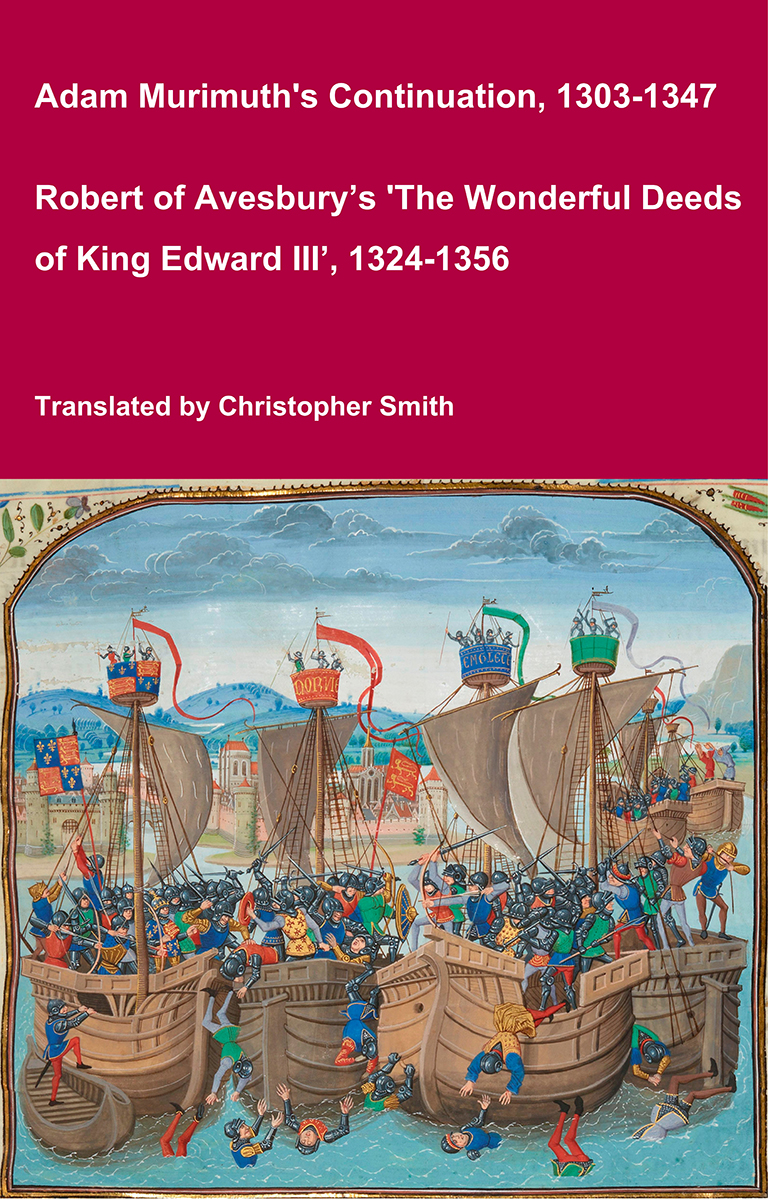 Deeds of King Edward III by Robert of Avesbury. "To all those who these present letters shall see or hear, John, by the grace of God king of Bohemia and count of Luxemburg, Adolphus bishop of Liége, Ralph duke of Lorraine, Aymon count of Savoy [aged 48], and John count of Armagnac, greeting and knowledge of the truth. Be it known to all that, to give and grant truce and respite between the high and mighty princes, the two kings of France and England, for them, their helpers and allies, whether prince, prelate, baron or other manner of men whatever, of holy church or secular, the which truce and respite the high and mighty lords, the duke of Brabant, the duke of Guelders, the marquis of Juliers, and the lord John of Hainaut, lord of Beaumont, of the one party, and we the five abovesaid, of the other party, by power to us and to the others abovenamed given by the said kings, have granted, covenanted, and pledged by our faith, with hand in hand, on behalf of the said kings, their helpers, and allies, whoever they be, each on his side, from this day even to the day of the Nativity of Saint John the Baptist next coming, and through that day to the morrow even to sunrise, it hath been treated, granted, covenanted, agreed, and plighted, by advice of the said kings, by us in form and manner following:"
"Firstly, that, during the said truce, no innovation nor misprision be done by the one party upon the other, to the prejudice of the said truce and respite."
"Also, it is agreed in the said truce that the said lords, their aiders, helpers, and allies, whoever they be, remain in such possession and such seisin as they are in at this day of all the goods, lands, and possessions which they hold and have in what manner soever, during the said truce."
"Also, it is agreed that, during the said truce, the said lords, their aiders, helpers, and allies, whoever they be, shall be able to go in safety from the one country to the other; and all merchants with all their merchandise, and all manner of people, and purveyance of goods, as well by land as by sea and water, as freely as they were wont to come and go in time of the ancestors of the said kings: paying poisages and wine dues as hath been anciently accustomed; excepting the outlaws, which are banished from the said realms or either of them, for other cause than for the war of the said kings. Bat the barons of Gascony and of the duchy of Guienne, and other persons of Gascony and of the said duchy, be they banished or others, shall be included in the said truce, and shall be able to go and come from the one country to the other, during the said truce."
"Also, it is agreed that the two kings procure not, nor cause to be procured, by them nor by other, that any innovation or grievance be done by the church of Rome or by others of holy church, whoever they be, on either of the said kings, his helpers or allies, whoever they be, nor on their lands nor those of their subjects, by reason of the said war or for other cause, nor for service that the said ally or helper hath done to the said kings or either of them. And, if our most holy father the pope or others will do that, the two kings shall prevent it, as far as in them lies, without evil intent, during the said truce."
"Also, be it known that from now be the truce cried in the two hosts, and be they bound to hold and keep it, all who are present and others who can and ought to have knowledge thereof."
"Also, it is agreed that, within twenty days, reckoned from this day, each of the kings shall cause proclaim it in Gascony and in the duchy of Guienne, in the land which he doth hold, to the end that it be notoriously known."
"Also, it is agreed that, if by either of the said kings, by their people, their allies, or helpers, any siege be laid in Gascony, in the duchy of Guienne, or in other islands of the sea, in Guernsey, in Jersey, or elsewhere, the sieges shall be raised so soon as the truce shall come to their knowledge. And fourteen persons, to wit seven persons on behalf of either of the said kings, shall enter into the towns, castles, or strong-holds, where the sieges shall be, and shall view the garrisons, as well of men as of victuals, that shall be therein, to this end that, on the day of the ceasing of this truce, the said towns, castles, and strongholds which shall be besieged be set in such number and store of victuals and of men as they shall be found with by the said fourteen persons."
"Also, it is agreed that the thieves and runaways of the land of Flanders, which have been with the king of France, shall not be able, during the truce, to enter nor come into Flanders. And, if they do that any of such go, counter to the truce, within the realm and its power, justice shall be done on them, and what they have in Flanders shall be forfeit."
"Also, it is agreed that the debts due at Arras, to the Crespinois, or to others in the realm of France, be not sued nor executed, during the said truce."
"Also, it is agreed that, during the said truce, all prisoners taken in this war shall be released from their prison, to return thither, on their troth and oath, if so be that they be not ransomed before the date of this present truce; save also that the said prisoners come back, plighting their troth to return on failure of the said truce. And if it happened that any prisoner were in default, refusing to return to prison, the lord under whom he should be should constrain him to return to prison."
"Also, it is agreed that all levies, whatever they be, made before the said truce in time of war, be they on goods spiritual or otherwise, be levied, without restitution, during the said truce."
"Also, it is agreed that a truce be taken forthwith between the English and the Scots, their lords, their aiders and allies, on sufferance of the war which they have between them, to last even to the said Nativity of St. John; and that certain persons be deputed by the said parties to be at a certain day and place upon the marches of England and Scotland, in order to affirm the said truce upon such conditions as aforetime hath been accustomed in those parts; also that, during the said truce, the French nor their lord shall not comfort them with men of arms. And in case that the people of Scotland nor their lord wish not to assent unto the said truce, or should infringe the same, then shall not the French nor their lord comfort them, during the said truce."
"Also, it is agreed that this present truce be notified in England and in Scotland within six and twenty days from the date thereof."
"Also, it is agreed that in this truce be included the people of Spain, of Castille, of Genoa, and of Provence, the bishop and chapter of Cambray, the city of Cambray, the castles of Cambresis and all Cambresis, and also the lord of Albret, the viscount of Fronsac, Gaston de Lisle, the lord of Treubon, the lord John of Vervin, and the lord of Roye."
"In witness whereof we have sealed these present letters with our seals. Done, granted, and given in the church of Esplechin, on Monday, the 25th day of September, in the year of grace 1340."
 Chronicle of Jean le Bel Volume 1. The next day, after Mass and after refreshment, the councillors assembled at the said chapel, together with the good lady. On the side of the King of France1 were the King of Bohemia, the Bishop of Liège, the Count of Alençon, the king’s brother, the Count of Flanders, and the Count of Armagnac. On the side of the King of England were the Bishop of Lincoln, the Duke of Brabant, the Duke of Guelders, the Marquis of Jülich, and Sir John of Hainaut2. When they had all arrived, they greeted one another most honourably and showed great courtesy; afterward they spoke of the settlement. Throughout that first day they considered the ways and means of reaching an agreement, and all the while the good lady was among them, humbly entreating both parties to take pains to come to terms. Nevertheless, that day passed without any definite agreement; each returned to his own lodging on the promise of coming back the next day to the said chapel. On the following day they returned to consider the matter further, and finally they reached certain forms and terms of agreement; but it was so late that these could not be written down before nightfall3. The conference then broke up, and they pledged to return in the morning to complete and settle what remained. On the third day the lords returned, and then a truce was agreed upon to last for one full year. This year was to begin at once between the lords there present on both sides, and also between those who were at war in Scotland and those who were fighting in Gascony, Poitou, and Saintonge. It was not to come fully into effect until forty days4 had passed, within which time each side was to notify its adherents5, without deceit, that if they wished to observe the truce they should do so, and if not, they might continue to wage war. The truce was concluded on the condition that each party should peacefully hold, for its duration, whatever lands or possessions it was then seized of.
L'endemain aprez messe et aprez boire, les conseillers vindrent ensemble à laditte chappelle et la bonne dame avecq. De la partie du roy de France y furent le roy de Bohème, l'evesque de Liège, le conte d'Âlenchon, frère audit roy, le conte de Flandres, le conte d'Ârmignack; de la partie du roy d'Angleterre, l'evesque de LincoUe, le duc de Brabant, le duc de Guéries, le marquis de Juley et messire Jehan de Haynau. Quant ilz furent tous venus, ilz se saluèrent moult honnourablement et se festierrent grandement, et aprez parlerrent de Tapointement. Toute celle première journée aviserrent la voye et manière d'acord; et tondis estoit celle bonne dame parmy, laquelle tousjours moult humblement leur prioit que chascunne partie se donnast paine d'acorder. Toutesfois, celle journée passa sans nul certain accord; chascun s'en rala en son lieu sur promesse de retourner l'endemain à laditte capelle. A lendemain y retournerrent pour aviser que dessus, et cheirent finablement en aucunes manieres et voyes d'acord, mais ce fut si tart que on ne les peut escrire de jour'. Si se departi ce parlement adoncques et creanterrent de revenir le matin pour parfaire et acorder le remanant. Au tiers jour, ces seigneurs revindrent et adoncques fut accordée une treve pour durer une année entierement, et debvoit celle année tantost conmenchier entre ces seigueurs, qui là estoient d'une part et d'aultre, et entre ceulx qui guerryoient en Escoce, et entre ceulx qui guerryoient en Gascongne, en Poytou et en Santonge. Elle ne debvoit entrer jusques à XL jours, dedens lesquelz chascune partie le debvoit faire sçavoir aux siens! sans nul mal engin, s'ilz les vouloient tenir, si lestenissent, et s'ilz ne vouloient, sy guerryassent assez l'ung l'aultre. Et fut celle treve acordée sur telle condicion que chascun debvoit tenir paisiblement, elle durant, tout ce dont il estoit saisy.
Note 1. According to the very terms of the truces, the representatives of the King of France were: the King of Bohemia, the Bishop of Liège, the Duke of Lorraine, the Count of Savoy, and the Count of Armagnac. The representatives of the King of England were: the Duke of Brabant, the Duke of Guelders, the Marquis of Jülich, John of Hainaut, and the Lord of Beaumont.
1. D'après la teneur même des trêves, les représentants du roi de France furent: le roi de Bohème, l'évêque de Liège, le duc de Lorraine, le comte de Savoie, le comte d'Armagnac; les représentants du roi d'Angleterre furent: le duc de Brabant, le duc de Gueldre, le marquis de Juliers, Jean de Hainaut et le sire de Beaumont. (Rymer Fœdera, t. Il, Ilo partie, p. 1135.)
Note 2. The Chronographia adds the names of the Lord of Noyers, William de Clinton, Geoffrey de Serop, Henry of Antoing, and Eudes, lord of Cuyk.
2. La Chronographia (t. KI, p. 160) ajoute les noms du sire de Noyers, de Guillaume de Clinton, de Geoffroy de Serop, de Henri d'Antoing et d'Eudes, seigneur de Cuk.
Note 3. Indeed, although the truces are dated Monday, 25th September, a messenger had already departed the day before to inform the masters of the Chambre des Comptes in Paris that they had been concluded: 'Perrot le Picart, messenger, 24th September, sent from Lille to Paris to carry letters from the said Barthélemy to our said lords, very hastily, by night and by day, to inform them that the truces had been agreed between our lord the king and the King of England until the ensuing Feast of Saint John the Baptist, and that they had been drawn up and engrossed several times during the week, 35 sous.' (Bibliothèque Nationale).
3. En effet, bien que les trêves soient datées du lundi 25 septembre, un messager partit, dès la veille, annoncer aux maitres de la chambre des comptes à Paris qu'elles étaient conclues. «Perrot le Picart, messager, xxnn de septembre, envoié de Lille à Paris porter lettres dudit Barthelemi à noz diz seigneurs moult hastivement, de nuict et de jour, pour eulz faire savoir que les trieves estoient accordées entre le roy nostre sire et le roy d'Engleterre jusques à la Saint Jehan Baptiste ensuivant, et qu'il avoient la sepmaine m foiz esté despeciées, XXXV s.» (Bibl. nat., ms. fr. nouv. acq. 0239, fol. 287 ve). Voy. Déprez, op. cit., p. 345.
Note 4. The text of these truces is published in Rymer 2.1135:
The form of the truces agreed between the King and Philip of Valois, and between the English and the Scots.
To all who shall inspect the present letters, John of Bohemia, by the grace of God King of Bohemia and Count of Luxembourg, Arnulf of Liège, Ralph of Lorraine, Aymon of Savoy, and John I of Armagnac, greeting and assurance of truth. We make known to all that, for the purpose of granting or conceding truces or armistices between the high and mighty princes, the two kings of France and England, on their behalf and on behalf of their allies and confederates, whether they be princes, prelates, barons, or other persons of whatever condition, ecclesiastical or secular, which said truces or armistices were, on the one side, granted by the high and powerful men, the duke of Brabant, the duke of Guelders, the marquis of Jülich, the lord of Hainaut, and the lord of Beaumont, and on the other side by us, the aforesaid knights, by the authority given to us and to the others named above by the said kings, we have granted, confirmed by agreement, and each of us, on his faith, placing his hand upon the altar, on behalf of the said kings and their allies and confederates, of whatever sort they may be, each for his own side, has bound himself, that from this day until the feast of the Nativity of Saint John the Baptist next coming, and for one full day thereafter until sunrise of the following day, this truce shall hold.
And this was treated, granted, confirmed by agreement, agreed upon, and established by the counsel of the said kings and by us, in the manner and form which follows:
I. First, that during the said truces no innovation, no harm, nor any grievance shall be committed by one party against the other, to the prejudice of the said truces or armistices.
2. Also, it is agreed that the said lords, their supporters and confederates, whoever they may be, shall remain, during the said truces, in such possession and seisin as they now have of all goods, lands, and possessions which they presently hold and have acquired in whatever manner.
3. Also, it is agreed that, during the said truces, the said lords, their supporters and confederates, whoever they may be, may travel peacefully from land to land; and all merchants, with their merchandise, as well as all persons, goods, and provisions, both by land and by sea and water, may freely go and come as they were accustomed to do before the armies of the aforesaid kings; provided, however, that they pay tolls and duties according to ancient custom; excepting those who are outlawed from the said kingdoms, or from any of them, for any offence other than the war of the aforesaid kings. But the barons of Gascony and of the duchy of Aquitaine, together with other persons from the same regions, who are banished or otherwise, shall be included within the said truces and may safely pass from one kingdom to the other during the said truces.
4. Also, it is agreed that the aforesaid two kings shall not procure, nor cause to be procured, either by themselves or by others, that any innovation or grievance be made through the Roman Curia or by any ecclesiastical persons whatsoever against either of the said kings, their supporters, or confederates, nor against their lands or subjects, on account of the said war or for any other cause, or even for any service rendered by their allies or supporters to the aforesaid kings or to either of them. And if the Holy Father, the Supreme Pontiff, or any other person should wish to do this, the said two kings shall prevent it, as far as they are able, without deceit, during the said truces.
5. Also, it is agreed that the truces shall immediately be proclaimed in both armies; and all those present, and others who may or ought to have knowledge of them, shall be bound to observe and keep them.
6. Also, it is agreed that within twenty days from this day, each of the said kings shall cause the said truces to be proclaimed in Gascony and in the duchy of Aquitaine, in the lands which they now hold and possess, so that they may be regarded as known and publicly recognized.
7. Item, it is agreed that if any sieges have been laid in Gascony, in the duchy of Aquitaine, or in any islands of the sea, whether in Guernsey, Jersey, or elsewhere, by either of the said kings, their forces, allies, or supporters, all such sieges shall be lifted as soon as the said truces come to the knowledge of those conducting the siege. And fourteen persons, namely seven for each of the said kings, shall enter the towns, castles, or fortresses now under siege; and, when the truces end, provision shall be made according to the number and condition of provisions and persons as they shall have found them at that time.
8. Also, it is agreed that those banished and fugitives from the land of Flanders, who are and have been of the party of the king of France, shall not be able to enter or come into Flanders during the said truces; and if any of them act against the truces, justice shall be done upon them within the kingdom, and all the goods they possess in Flanders shall be confiscated.
9. Also, it is agreed that debts owed at Arras, Crespin, or in any other towns within the kingdom of France shall not be demanded or collected during the said truces.
10. Also, it is agreed that all captives or prisoners taken in this war shall, during the said truces, be released from their prisons, on condition that each shall return to them upon his faith and oath, unless it should be the case that they had already been ransomed before the date of the present truces. It is also provided that the said prisoners shall return to their prisons, on their faith and oath, when the said truces expire; and if it should happen that any prisoner refuses to return, his lord shall compel him to do so without delay.
11. Item, it is ordered that all levies or exactions, of whatever kind and however made, taken before the said truces in time of war, whether from ecclesiastical goods or otherwise, shall remain as taken, and no one shall be bound to make restitution during the said truces.
12. Also, it is agreed that from now on truces are taken between the English and the Scots, their lord, allies, and confederates, concerning the war between them, to last until the Nativity of Saint John the Baptist [24th June]. And that certain persons from both sides shall meet, at a fixed day and place on the borders of England and Scotland, to confirm the said truces under such conditions as are customary in those regions. Furthermore, during the said truces, the French and their lord shall not in any way assist the Scots, whether with troops or arms; and if it should happen that the Scots and their lord refuse to agree to the said truces or attempt to break them, then the French and their lord shall likewise give them no assistance during the said truces.
13. Also, it is agreed that these aforesaid truces shall be made known in the parts of England and Scotland within twenty-five days after the date of the present letters.
14. Also, it is agreed that the following are included within these truces: the Spaniards, Castilians, Genoese, and Provençals; the bishop of Cambrai with his chapter; the town and castle of Cambrai with all its inhabitants; the lord of Albret, the viscount of Fronsac, Gaston de l’Isle, the lord of Trie, Lord John of Vervins, and the lord of Roye.
In testimony of which matter we have sealed these present letters with our seals, made, agreed, and given in the church of Espéchin, on Monday, the 25th day of September, in the year of the Lord 1340.
4. Le texte de ces trêves est publié dans Rymer Fœdera, t. II, Ile partie, p. 1135 et 1136, dans Gilles Li Muisis (voy. Recueil des Chroniques de Flandre, t. II. p. 228 à 231, dans Avesbury (p. 317), dans Knighton (t. II, p.19 à 22), dans le Continucteur de Nangis t. Il, p. 172-178), dans le Scalachronica, p. 172.
Note 5. These truces were to be notified, not within a period of 40 days, but within 20 days in Gascony and Guyenne, and within 25 days in England and in Scotland.
5. Ces trêves devaient être notifiées, non pas dans le délai de 40 jours, mais de 20 jours en Gascogne et en Guyenne, et de 25 jours en Angleterre et en Écosse. Cf. Déprez, op. cit., p. 345, 346.
Rymer's Fœdera Volume 2. The form of the truces agreed between the King and Philip of Valois, and between the English and the Scots.
To all who shall inspect the present letters, John of Bohemia, by the grace of God King of Bohemia and Count of Luxembourg, Arnulf of Liège, Ralph of Lorraine, Aymon of Savoy, and John I of Armagnac, greeting and assurance of truth. We make known to all that, for the purpose of granting or conceding truces or armistices between the high and mighty princes, the two kings of France and England, on their behalf and on behalf of their allies and confederates, whether they be princes, prelates, barons, or other persons of whatever condition, ecclesiastical or secular, which said truces or armistices were, on the one side, granted by the high and powerful men, the duke of Brabant, the duke of Guelders, the marquis of Jülich, the lord of Hainaut, and the lord of Beaumont, and on the other side by us, the aforesaid knights, by the authority given to us and to the others named above by the said kings, we have granted, confirmed by agreement, and each of us, on his faith, placing his hand upon the altar, on behalf of the said kings and their allies and confederates, of whatever sort they may be, each for his own side, has bound himself, that from this day until the feast of the Nativity of Saint John the Baptist next coming, and for one full day thereafter until sunrise of the following day, this truce shall hold.
And this was treated, granted, confirmed by agreement, agreed upon, and established by the counsel of the said kings and by us, in the manner and form which follows:
I. First, that during the said truces no innovation, no harm, nor any grievance shall be committed by one party against the other, to the prejudice of the said truces or armistices.
2. Also, it is agreed that the said lords, their supporters and confederates, whoever they may be, shall remain, during the said truces, in such possession and seisin as they now have of all goods, lands, and possessions which they presently hold and have acquired in whatever manner.
3. Also, it is agreed that, during the said truces, the said lords, their supporters and confederates, whoever they may be, may travel peacefully from land to land; and all merchants, with their merchandise, as well as all persons, goods, and provisions, both by land and by sea and water, may freely go and come as they were accustomed to do before the armies of the aforesaid kings; provided, however, that they pay tolls and duties according to ancient custom; excepting those who are outlawed from the said kingdoms, or from any of them, for any offence other than the war of the aforesaid kings. But the barons of Gascony and of the duchy of Aquitaine, together with other persons from the same regions, who are banished or otherwise, shall be included within the said truces and may safely pass from one kingdom to the other during the said truces.
4. Also, it is agreed that the aforesaid two kings shall not procure, nor cause to be procured, either by themselves or by others, that any innovation or grievance be made through the Roman Curia or by any ecclesiastical persons whatsoever against either of the said kings, their supporters, or confederates, nor against their lands or subjects, on account of the said war or for any other cause, or even for any service rendered by their allies or supporters to the aforesaid kings or to either of them. And if the Holy Father, the Supreme Pontiff, or any other person should wish to do this, the said two kings shall prevent it, as far as they are able, without deceit, during the said truces.
5. Also, it is agreed that the truces shall immediately be proclaimed in both armies; and all those present, and others who may or ought to have knowledge of them, shall be bound to observe and keep them.
6. Also, it is agreed that within twenty days from this day, each of the said kings shall cause the said truces to be proclaimed in Gascony and in the duchy of Aquitaine, in the lands which they now hold and possess, so that they may be regarded as known and publicly recognized.
7. Item, it is agreed that if any sieges have been laid in Gascony, in the duchy of Aquitaine, or in any islands of the sea, whether in Guernsey, Jersey, or elsewhere, by either of the said kings, their forces, allies, or supporters, all such sieges shall be lifted as soon as the said truces come to the knowledge of those conducting the siege. And fourteen persons, namely seven for each of the said kings, shall enter the towns, castles, or fortresses now under siege; and, when the truces end, provision shall be made according to the number and condition of provisions and persons as they shall have found them at that time.
8. Also, it is agreed that those banished and fugitives from the land of Flanders, who are and have been of the party of the king of France, shall not be able to enter or come into Flanders during the said truces; and if any of them act against the truces, justice shall be done upon them within the kingdom, and all the goods they possess in Flanders shall be confiscated.
9. Also, it is agreed that debts owed at Arras, Crespin, or in any other towns within the kingdom of France shall not be demanded or collected during the said truces.
10. Also, it is agreed that all captives or prisoners taken in this war shall, during the said truces, be released from their prisons, on condition that each shall return to them upon his faith and oath, unless it should be the case that they had already been ransomed before the date of the present truces. It is also provided that the said prisoners shall return to their prisons, on their faith and oath, when the said truces expire; and if it should happen that any prisoner refuses to return, his lord shall compel him to do so without delay.
11. Item, it is ordered that all levies or exactions, of whatever kind and however made, taken before the said truces in time of war, whether from ecclesiastical goods or otherwise, shall remain as taken, and no one shall be bound to make restitution during the said truces.
12. Also, it is agreed that from now on truces are taken between the English and the Scots, their lord, allies, and confederates, concerning the war between them, to last until the Nativity of Saint John the Baptist [24th June]. And that certain persons from both sides shall meet, at a fixed day and place on the borders of England and Scotland, to confirm the said truces under such conditions as are customary in those regions. Furthermore, during the said truces, the French and their lord shall not in any way assist the Scots, whether with troops or arms; and if it should happen that the Scots and their lord refuse to agree to the said truces or attempt to break them, then the French and their lord shall likewise give them no assistance during the said truces.
13. Also, it is agreed that these aforesaid truces shall be made known in the parts of England and Scotland within twenty-five days after the date of the present letters.
14. Also, it is agreed that the following are included within these truces: the Spaniards, Castilians, Genoese, and Provençals; the bishop of Cambrai with his chapter; the town and castle of Cambrai with all its inhabitants; the lord of Albret, the viscount of Fronsac, Gaston de l’Isle, the lord of Trie, Lord John of Vervins, and the lord of Roye.
In testimony of which matter we have sealed these present letters with our seals, made, agreed, and given in the church of Espéchin, on Monday, the 25th day of September, in the year of the Lord 1340.
Forma treugarum inter Regem & Philippum de Valesio, ac inter Anglicos & Scotos, concordatarum.
OMNIBUS præsentes literas inspecturis, Johannes, per Dei gratiam, Rex Boemiæ & comes Lucentisburgi, Arnulfus episcopus Leodiensis, Radulphus dux Lotharingiæ, Aymo comes Sabaudiæ, Johannes comes de Armeniaco, salutem & notitiam veritatis. Omnibus notum facimus, quod, ad dandas vel concedendas treugas seu inducias inter altos & potentge principes, duos Reges Franciæ & Anglie, pro ipsis, & pro adjutoribus suis, ac confœderatis, sive sint principes, prælati, vel barones, aliæve gentes, cujuscunque conditionis sint, ecclesiasticæ vel seculares, quas dictas treugas, seu inducias, alti homines ac potentes, Dux Brabantiæ, Dux de Gueldris, Marchisius de Juillers, ac Dominus de Hanonid, & Dominus de Bellomonte, ex und parte, Et nos, prædicti milites, ex altera parte, per potestatem, nobis & aliis prænominatis datam per prædictos Reges, concessimus, pacto firmavimus, & quilibet nostrûm per fidem suam, posita manu in altare, ex parte dictorum Regum & adjutorum & confœderatorum suorum, qualeseunque sint, quilibet de parte suâ, ab hodierno die usque ad diem Nativitatis beati Johannis Baptistæ proximo venientem, & per diem potam integram usque ad diem sequentem in ortu solis;
Et hoc fuit tractatum, concessum, pacto firmatum, concordatum, & firmatum, per consilium prædictorum Regum, & per nos, in modum & ormam quæ sequitur:
1. Primo, quod durantibus dictis treugis nulla novitas, nullum malum, vel gravamen, fiet, ab unâ parte super alterum, in præjudicium dictarum treugarum, seu induciarum.
II. Item, Concordatum est quod dicti domini, coadjutores & confœderati, quicumque sint, in tali possessione & saisinâ, sicut de hodiernà sunt, de omnibus bonis, terris, & possessionibus, quas modd tenent, & acquisierunt, quolibet modo, durantibus dictis treugis, remanebunt.
III. Item, Concordatum est quod, durantibus dictis treugis, dicti domini, coadjutores & confœderati, se ique sint illi, poterunt pacificà ire de terra ad terram; & omnes mercatores, cum mercimoniis ipsorum, necnon & omnes personæ, & omnia bona,& omnes ‘providentiæ, tam per teram quam per mare & aquam, ire & venire liberè, sicut facere solebant temporibus ante exercitus Regum prædictorum; solvendo tamen pedagia, & roagia, cum consuetudinibus antiquitds assuetis, exceptis bannitis, qui banniti sunt de dictis regnis, vel aliquo ipsorum, pro aliquo forisfacto, quam pro guerrâ Regum prædictorum, sed barones de Vasconia, ac de ducatu Aquitaniæ, cum aliis personis, quæ sunt de Vasconia, ac de ducatu eodem, qui sunt banniti, vel aliter, in prædictis treugis comprehendentur, ac de uno regno poterunt ad alium regnum securè, durantibus treugis prædictis, ire & venire.
IV. Item, Concordatum est quod prædicti duo Reges non poterunt procurare, nec procurari facere per ipsos, nec per alios, quod aliqua novitas seu gravamen fiant per curïam Romanam, vel per alias personas ecclesiasticas, qualeseumque sint illæ, super aliquo modo dictorum Regum, coadjutorum, & confœderatorum ipsorum, nec super terris ipsorum, vel subditorum eorundem, occasione dictæ guerræ, vel pro alià caush, seu etiam pro aliquo servitio, impenso ab ipsis confœderatis vel eorum coadjutoribus, Regibus sæpedictis, vel cuilibet ipeorui & si, pater sanctus, Summus Pontifex, a alia persona, hoc vellet facere, dicti duo Reges hoc impedirent, pro posse suo sine malo ingenio, durantibus dictis treugis.
V. Item, Concordatum est, quod statim treugæ in. utroque exercitu proclamentur; & teneantur eas servare & custodire omnes præsentes & aliæ, quæ easdem vel possent vel debeant deprehendre.
VI. Item, Concordatum est quod infra viginti dies, ab hodiern die computandos, quilibet dictorum Regum, in Vasconif, & in ducatu Aquitaniæ, in terris quas nunce tenent & possident, facient dictas treugas proclamari, ad istum finem, ut pro scitis & notoris habeantur.
VII. Item, Concordatum est quod, si per aliquem dictorum Reçus per gentes suas, seu confæderatos, vel adjutores ipsorum, aliquæ obsidiones positæ sunt in Vasconia, & in ducatu Aquitaniæ, seu aliquibus insulis maris, in Guerrisiaco, vel Gornesiaco, vel alibi, omnes ie obsidiones solventur simul ac prædictæ treugæ ad notitiam obsidenti deveniunt; & quatuordecim personæ, viz. septem pro quolibet dictorum Regum, intrabunt in villis, castris, seu fortalitiis, obsessis exnune; &, finitis treugis, provideantur numero & quantitate victualium & personarum, in quali invenientur per dictas quatuordecim personas ptit supradictus.
VIII. Item, Concordatum est quod banniti & fugitivi de terrà Flandriæ, qui sunt & fuerunt de parte Regis Franciæ, non poterunt, in Flandriam, ictis treugis durantibus, intrare seu venire; &, si ita esset quod aliqui prædiotorum irent contra treugas, infra regnum fieret de eis justitia; & omnia bona, quæ haberent in terrà Flandriæ, essent confiscata.
XI. Item, Concordatum est quod debita pue Attrebatum, Crespinetis, seu aliis quibuscumque, villis, infra regnum Franciæ, non repetentur, nec exigentur, durantibus dictis treugis.
X. Item, Concordatum est quod omnes captivi, seu prisonarii, in istà guerrâ, durantibus dictis treugis, relaxabuntur à prisonis suis, ad eas, per fidem suam, & juramentum suum quilibet, revertendo, nisi ita esset quod essent redempti ante datam treugarum istarum præsentium; salvo etiam quod dieti prisonarii revertentur ad prisonas suas, per fidem suam & juramentum, deficientibus dictis treugis; &, si contigerit quod aliquis prisonarius esset rebellis ad prisonam suam revertendi, dominus, sub quo essèt, cogeret eum ad hoc faciendum indilatè,
XI. Item, Ordinatum est quod omnia levata, qualiaeumque sint, & qualitercumque sint, aute dictas treugas, tempore guerræ, sive sint de bonis spiritualibus vel aliter, remanebunt levata, sine quod aliquis teneatur ad restitutionem durantibus dictis treugis.
XII. Item, Concordatum est quod exnune treugæ capiuntur inter Anglicos & Scotos, dominum eorum, coadjutores, & confæderatos super sufferentia guerræ, quam habent inter ipsos, usque ad Nativitatem beati Johannis Baptistæ duraturæ; & quod certæ personæ sint per dictas partes, ad conveniendum, ad certam diem, & certum locum, in confiniis Angliæ & Scotiæ, ad dictas treugas confirmandas sub tali conditione, sicut alids consuetum est in partibus illis; îta quod, durantibus dictis treugis, Franci, nec dominus eorum, in aliquo non fortificarent eos, nec in gentibus, nec in armis; & in casu quod gentes Scotiæ, & dom nus eorum, dictis treugis non vellent assentire, vel eas vellent infringere, tunc Franci, nec dominus eorum, non fortificarent eos, durantibus dictis treugis.
XIII. Item, Concordatum est quod istæ prædictæ treugæ erunt notificatæ, in partibus Angliæ & Scotiæ, infra viginti & pre quinque dies, post datam præsentium literarum.
XIV. Item, Concordatum est quod in istis treugis comprehenduntur, Hispani, Castellani, Januenses, et Provinciales, Episcopis cum capitulo Cameracensi, Villa Cameracensis, et castellum Cameracense cum omnibus Cameracensibus, Dominus de la Bret, vicecomes Fronsaci, Gasto de Insula, dominus de Treubon, Dominus Johannes de Vervinno, dominus de Roya.
In cujus rei testimonium præsentes literas nostris sigillis sigillavimus, factas, concordatas, & datas, in ecclesia de Espechin, die Lunæ, xxv. Septembris, anno Domini millesimo trecentesimo quadragesimo.
Chronicle of Geoffrey le Baker of Swinbroke. The siege of Tournai1 lasted until the feast of Saints Cosmas and Damian [26th September 1340], which is the day before the vigil of Saint Michael. On that day, after many negotiations about arranging a truce, initiated by the French. a truce was agreed upon at their request, to last until the feast of Saint John the Baptist next following, so that peace could be negotiated in the meantime. Prisoners were released on both sides under a sworn agreement that they would return by the said feast day if no final peace was concluded. Thus, the siege of Tournai was lifted, and, to speak truly, it was much to the displeasure of the King of England. For the king had with him only a few Englishmen at that time; all the rest were mercenaries, who had received no pay for a fortnight, because the expected funds from England had not arrived. Furthermore, the Duke of Brabant and the Count of Hainaut, who had fought primarily for the king so that the towns and castles which the French tyrant had taken from them and unjustly detained would be restored with the king's help, which had been done, no longer saw any benefit in continuing a war that was not their own. Therefore, once their objective had been achieved, they, by a unified decision, urged and almost forced the king to agree to a truce, whose will he had, for the time being, to follow. So the truce was made and the siege lifted, an outcome that displeased only the English, the Flemings, and a few other mercenaries.
Duravit obsidio Torneacensis usque ad festum sanctorum Cosme et Damiani, quod est pridie vigilie sancti Michaelis. Quo die, post plurimos tractatus super treuga ineunda, per Francos procurata, in quam fuerat consensum ad peticionem Gallicorum usque ad festum sancti Iohannis Baptiste, extunc proximo futurum, duraturam, ut posset interim de pace tractari, et redditi fuerunt hinc et inde captivi, sub convencione iurata redeundi ad dictum festum in casu quo non fieret pax finalis. Sic fuerat soluta obsidio Tornacensis, et, si verum fateatur, ad magnam displicenciam regis Anglie. Rex nempe non habuit secum nisi paucos Anglicos ibidem, set omnes alii fuerunt stipendiarii, quibus per quindenam nihil fuerat solutum pro eo quod pecunia expectata de Anglia non venit. Preterea dux Brabancie et comes Hannonie, qui pro eo potissime cum rege militarunt, ut ville et castra, que tirannus Francorum ipsis abstulit et iniuste detinuit, forent eis per auxilium regis restituta, quod et fuit factum, set, cessante causa pro qua laborabant, non plus placuit eiis guerra aliena, propterea uno assensu regem provocarunt, et quasi coegerunt, ad treugam ineundam, quorum oportuit ipsum pro tunc sequi voluntatem. Treuga igitur capta et obsidio soluta solis Anglicis et Flandrensibus et aliis paucis stipendiariis displicuerunt.
Note 1. The siege of Tournay lasted nine weeks, from the 23rd July. The truce was signed on the 25th September 1340. Deeds of King Edward III by Robert of Avesbury.
Chronicle of Geoffrey le Baker of Swinbroke. In this year, after the feast of Saint Martin, there assembled at Calais1 the Bishop of Norwich [aged 50], the Earl of Lancaster, the Earl of Suffolk [aged 50], and Lord Walter Mauny [aged 38] on the part of the English; and on the part of the French, the Bishop of Lyon, the Duke of Bourbon, the Duke of Dauphiné, the Count of Guînes, the Lord of Tancarville, and Lord Geoffrey de Charny [aged 42], for the purpose of renewing the truces. But the Earl of Lancaster refused to give his assent until two fortifications at Calais, which were harmful and built contrary to the terms of the previous truces, had been demolished. Once that had been done, the truces were renewed, set to last until the first day of December of the following year.
Isto anno, post festum sancti Martini, convenerunt apud Calesiam episcopus Norwycensis, comes Lancastrie, comes Suthfolchie, et dominus Walterus Magne, ex parte Anglorum; item, episcopus Lugdunensis, dux de Burbone et dux Dactenes et comes de Gynes et dominus de Tankerville et dominus Galfridus de Charny, ex parte Francorum, pro treugis renovandis; quibus noluit comes Lancastrie assentire, quousque duo fortalicia Calesie nociva et contra formam pristinarum treugarum edificata fuerant diruta. Quo facto, renovate sunt treuge, usque ad primum diem Decembris anni proximo futuri durature.
Note 1. The commission to the English envoys is dated 25th September 1348. The French envoys were Hugues, bishop of Laon, Jean de Nesle, sire d'Offemont, Geoffroi de Charny, and the master of the crossbowmen. The prolongation of the truce to the 1st September (not December) of the following year was agreed to on the 13th November. Rymer's Fœdera 3.173, 177. Baker appears to have confused the negotiations of this and the next year.
On 25th September 1396 at the Battle of Nicopolis..
Henry of Bar [aged 32] was captured.
Philippe of Bar [aged 24] was killed. His brother Edward [aged 19] succeeded III Duke Bar.
Philip Artois Count of Eu [aged 39] was captured.
On 25th September 1396 Archbishop Thomas Fitzalan aka Arundel [aged 43] was appointed Archbishop of Canterbury.
On 25th September 1403 Louis Valois Anjou III Duke Anjou was born to King Louis of Naples [aged 25] and Yolande Barcelona Queen Consort Naples [aged 22]. Coefficient of inbreeding 4.78%. He married on or after 31st May 1431 his second cousin Margaret of Savoy, daughter of Amadeus Savoy VIII Count Savoy and Mary Valois Countess Savoy.
On 25th September 1457 Archbishop Lawrence Booth [aged 37] was appointed Bishop of Durham.
On 25th September 1506 Philip "Handsome Fair" King Castile [aged 28] died.

On 25th September 1513 John de Vere 15th Earl of Oxford [aged 42], William Fitzwilliam 1st Earl of Southampton [aged 23], and William Compton [aged 31] were knighted by Henry VIII [aged 22] at Tournai [Map] following the Battle of the Spurs.
Letters and Papers Foreign and Domestic Henry VIII 1528. 25th September 1528. Cleop. F. VI. 343. B. M. 4772. Tunstal To [Wolsey].
Intended to have come to Wolsey today to inform him what he had done in his progress in the diocese of London, but will not do so, as a servant of his has fallen ill, it is feared, of the great sickness. Has summoned all the clergy of his diocese, and taken their oaths as to their substance and has taken the valuation of the benefices of men who are not resident in the diocese. Has deputed collectors in every deanery for levying the King's loan. In London, the collector has paid Mr. Wiat 450l., and is collecting the rest. In the country they are likewise busy, but many of them write that few of the priests can pay ready money till after Michaelmas, when they have thrashed and sold their tithe corn; and, as the loan touches every man, none will lend money. Has taken the substance of many persons and monasteries which were excepted by a bill in his first instructions. As to those of whom he discovered that the King's demand by his letters was under the fourth part, has put the residue of the said fourth part in the collector's books, to be levied by them. In the case of some monasteries, he does not know for what the King has written, for the bill of exceptions does not always mention the sum. The abbots of St. Osythes and Bylegh, and the lady abbess of Barkyng, have received no letters, though he knows that letters were ordered to be sent to them. They have given him bills, by which it appears that the fourth part of the lands of St. Osythes amounts to 150l.; of Barking, to 155l. 2s. 4d.; and of Bylegh, to 49l. 10s.
Advises Wolsey to send letters to them for these sums, deducting what has been paid in accordance with former letters. Could not put these sums in the collector's books, not knowing for what the King had written. Will call upon the collectors to bring up the money as soon as levied. London, 25 Sept. Signed.
Pp. 2.
Abbot John Whethamstede’s Chronicle of the Abbey of St Albans
Abbot John Whethamstede's Register aka Chronicle of his second term at the Abbey of St Albans, 1451-1461, is a remarkable text that describes his first-hand experience of the beginning of the Wars of the Roses including the First and Second Battles of St Albans, 1455 and 1461, respectively, their cause, and their consequences, not least on the Abbey itself. His text also includes Loveday, Blore Heath, Northampton, the Act of Accord, Wakefield, and Towton, and ends with the Coronation of King Edward IV. In addition to the events of the Wars of the Roses, Abbot John, or his scribes who wrote the Chronicle, include details in the life of the Abbey such as charters, letters, land exchanges, visits by legates, and disputes, which provide a rich insight into the day-to-day life of the Abbey, and the challenges faced by its Abbot.
Available at Amazon in eBook and Paperback format.
Henry Machyn's Diary. 25th September 1561. The xxv day of September was cristened with-in the Towre [Map] my lorde Harford('s) [aged 22] sune by my lade Katheryn Gray [aged 21], late dowther of the duke of Suffoke-Gray.
Note. P. 268. Christening of the earl of Hertford's son. This was the first offspring of the stolen alliance noticed in the preceding page. The son was christened Edward, but died in infancy; and the second son, whose birth is afterwards mentioned in p. 300, received the same name.


On 25th September 1591 Christian Wettin I Elector Saxony [aged 30] died. His son John [aged 6] succeeded Elector Saxony.

On or before 25th September 1597, the date she was baptised at Kenilworth, Alicia Douglassia Dudley was born to Robert Dudley [aged 23] and Alice Leigh 1st Duchess Dudley [aged 19].
Between 6th September 1618 and 25th September 1618 a comet was visible to the naked eye.

On 25th September 1621 Mary Sidney Countess Pembroke [aged 59] died of smallpox at Herbert Townhouse Aldersgate Street. Her funeral was held at St Paul's Cathedral [Map]. She was buried at Salisbury Cathedral [Map].
Samuel Pepys' Diary. 25th September 1665. Found ourselves come to the fleete, and so aboard the Prince; and there, after a good while in discourse, we did agree a bargain of £5,000 with Sir Roger Cuttance for my Lord Sandwich [aged 40] for silk, cinnamon, nutmeggs, and indigo. And I was near signing to an undertaking for the payment of the whole sum; but I did by chance escape it; having since, upon second thoughts, great cause to be glad of it, reflecting upon the craft and not good condition, it may be, of Captain Cocke [aged 48]. I could get no trifles for my wife. Anon to dinner and thence in great haste to make a short visit to Sir W. Pen [aged 44], where I found them and his lady [aged 41] and daughter [aged 14] and many commanders at dinner. Among others Sir G. Askue [aged 49], of whom whatever the matter is, the world is silent altogether. But a very pretty dinner there was, and after dinner Sir W. Pen made a bargain with Cocke for ten bales of silke, at 16s. per lb., which, as Cocke says, will be a good pennyworth, and so away to the Prince and presently comes my Lord on board from Greenwich, Kent [Map], with whom, after a little discourse about his trusting of Cocke, we parted and to our yacht; but it being calme, we to make haste, took our wherry toward Chatham, Kent [Map]; but, it growing darke, we were put to great difficultys, our simple, yet confident waterman, not knowing a step of the way; and we found ourselves to go backward and forward, which, in the darke night and a wild place, did vex us mightily. At last we got a fisher boy by chance, and took him into the boat, and being an odde kind of boy, did vex us too; for he would not answer us aloud when we spoke to him, but did carry us safe thither, though with a mistake or two; but I wonder they were not more. In our way I was [surprised] and so were we all, at the strange nature of the sea-water in a darke night, that it seemed like fire upon every stroke of the oare, and, they say, is a sign of winde. We went to the Crowne Inne, at Rochester, Kent [Map], and there to supper, and made ourselves merry with our poor fisher-boy, who told us he had not been in a bed in the whole seven years since he came to 'prentice, and hath two or three more years to serve. After eating something, we in our clothes to bed.


On 25th September 1665 Maria Anna Habsburg Spain Duchess Bavaria [aged 55] died.
John Evelyn's Diary. 25th September 1665. My Lord Admiral [aged 40] being come from the fleet to Greenwich, I went thence with him to the Cock-pit, to consult with the Duke of Albemarle [aged 56]. I was peremptory that, unless we had £10,000 immediately, the prisoners would starve, and it was proposed it should be raised out of the East India prizes now taken by Lord Sandwich. They being but two of the commission, and so not empowered to determine, sent an express to his Majesty [aged 35] and Council, to know what they should do. In the meantime, I had five vessels, with competent guards, to keep the prisoners in for the present, to be placed as I should think best. After dinner (which was at the General's) I went over to visit his Grace, the Archbishop of Canterbury [aged 67], at Lambeth [Map].


Samuel Pepys' Diary. 25th September 1666. Up betimes, with all my people to get the letter writ over, and other things done, which I did, and by coach to Lord Bruncker's [aged 46], and got his hand to it; and then to the Parliament House and got it signed by the rest, and then delivered it at the House-door to Sir Philip Warwicke [aged 56]; Sir G. Carteret [aged 56] being gone into the House with his book of accounts under his arme, to present to the House. I had brought my wife to White Hall, and leaving her with Mrs. Michell, where she sat in her shop and had burnt wine sent for her, I walked in the Hall, and among others with Ned Pickering [aged 48], who continues still a lying, bragging coxcombe, telling me that my Lord Sandwich [aged 41] may thank himself for all his misfortune; for not suffering him and two or three good honest fellows more to take them by the throats that spoke ill of him, and told me how basely Lionell Walden hath carried himself towards my Lord; by speaking slightly of him, which I shall remember.
Samuel Pepys' Diary. 25th September 1667. Up as soon as I could see and to the office to write over fair with Mr. Hater my last night's work, which I did by nine o'clock, and got it signed, and so with Sir H. Cholmly [aged 35], who come to me about his business, to White Hall: and thither come also my Lord Bruncker [aged 47]: and we by and by called in, and our paper read; and much discourse thereon by Sir G. Carteret [aged 57], my Lord Anglesey [aged 53], Sir W. Coventry [aged 39], and my Lord Ashly [aged 46], and myself: but I could easily discern that they none of them understood the business; and the King [aged 37] at last ended it with saying lazily, "Why", says he, "after all this discourse, I now come to understand it; and that is, that there can nothing be done in this more than is possible", which was so silly as I never heard: "and therefore", says he, "I would have these gentlemen to do as much as possible to hasten the Treasurer's accounts; and that is all". And so we broke up: and I confess I went away ashamed, to see how slightly things are advised upon there. Here I saw the Duke of Buckingham [aged 39] sit in Council again, where he was re-admitted, it seems, the last Council-day: and it is wonderful to see how this man is come again to his places, all of them, after the reproach and disgrace done him: so that things are done in a most foolish manner quite through. The Duke of Buckingham did second Sir W. Coventry in the advising the King that he would not concern himself in the owning or not owning any man's accounts, or any thing else, wherein he had not the same satisfaction that would satisfy the Parliament; saying, that nothing would displease the Parliament more than to find him defending any thing that is not right, nor justifiable to the utmost degree but methought he spoke it but very poorly. After this, I walked up and down the Gallery till noon; and here I met with Bishop Fuller, who, to my great joy, is made, which I did not hear before, Bishop of Lincoln.


Samuel Pepys' Diary. 25th September 1668. Up, and Sir D. Gauden with me betimes to confer again about this business, and he gone I all the morning finishing our answer, which I did by noon, and so to dinner, and W. Batelier with me, who is lately come from Impington, beyond which I perceive he went not, whatever his pretence at first was; and so he tells me how well and merry all are there, and how nobly used by my cozen. He gone, after dinner I to work again, and Gibson having wrote our answer fair and got Brouncker [aged 48] and the rest to sign it, I by coach to White Hall to the Committee of the Council, which met late, and Brouncker and J. Minnes [aged 69] with me, and there the Duke of York [aged 34] present (but not W. Coventry [aged 40], who I perceive do wholly avoid to have to do publickly in this business, being shy of appearing in any Navy business, which I telling him the other day that I thought the King [aged 38] might suffer by it, he told me that the occasion is now so small that it cannot be fatal to the service, and for the present it is better for him not to appear, saying that it may fare the worse for his appearing in it as things are now governed), where our answer was read and debated, and some hot words between the Duke of York and Sir T. Clifford, the first for and the latter against Gawden, but the whole put off to to-morrow's Council, for till the King goes out of town the next week the Council sits every day. So with the Duke of York and some others to his closet, and Alderman Backewell [aged 50] about a Committee of Tangier, and there did agree upon a price for pieces of eight at 4s. 6d. Present the Duke of York, Arlington [aged 50], Berkeley, Sir J. Minnes, and myself. They gone, the Duke of York did tell me how hot Clifford is for Child [aged 37], and for removing of old Officers, he saying plainly to-night, that though Prince was a man that had done the best service that he believed any man, or any ten men, could have done, yet that it was for the King's interest not to let it lie too long in one hand, lest nobody should be able to serve him but one. But the Duke of York did openly tell him that he was not for removing of old servants that have done well, neither in this place, nor in any other place, which is very nobly said. It being 7 or 8 at night, I home with Backewell by coach, and so walked to D. Gawden's, but he not at home, and so back to my chamber, the boy to read to me, and so to supper and to bed.


John Evelyn's Diary. 25th September 1679. Mr. Slingsby [aged 58] and Signor Verrio [aged 43] came to dine with me, to whom I gave China oranges off my own trees, as good, I think, as were ever eaten.
Chronicle of Walter of Guisborough
A canon regular of the Augustinian Guisborough Priory, Yorkshire, formerly known as The Chronicle of Walter of Hemingburgh, describes the period from 1066 to 1346. Before 1274 the Chronicle is based on other works. Thereafter, the Chronicle is original, and a remarkable source for the events of the time. This book provides a translation of the Chronicle from that date. The Latin source for our translation is the 1849 work edited by Hans Claude Hamilton. Hamilton, in his preface, says: 'In the present work we behold perhaps one of the finest samples of our early chronicles, both as regards the value of the events recorded, and the correctness with which they are detailed; Nor will the pleasing style of composition be lightly passed over by those capable of seeing reflected from it the tokens of a vigorous and cultivated mind, and a favourable specimen of the learning and taste of the age in which it was framed.'
Available at Amazon in eBook and Paperback format.
On 25th September 1681 Lancelot Blackburne [aged 22] was ordained a deacon at Christ Church by John Fell [aged 56], Bishop of Oxford, and travelled to the West Indies.
On 25th September 1696 Bishop Robert Grove [aged 62] died in a carriage accident. He was buried in Chichester Cathedral [Map].
On 25th September 1697 Francis Josias Saxe Coburg Saalfeld Duke Saxe Coburg Saalfeld was born to John Ernest Saxe Coburg Saalfeld IV Duke Saxe Coburg Saalfeld [aged 39] and Charlotte Johanna Waldeck Wildungen Duchess Saxe Coburg Saalfeld at Saalfield. He married 2nd January 1723 his first cousin once removed Duchess Anna Sophie Of Saxe-Coburg-Saalfeld and had issue.
John Evelyn's Diary. 25th September 1698. Dr. Foy came to me to use my interest with Lord Sunderland [aged 57] for his being made Professor of Physic at Oxford, in the King's gift. I went also to the Archbishop [aged 61] in his behalf.

On 25th September 1703 Archibald Campbell 1st Duke Argyll [aged 45] died. His son John [aged 22] succeeded 2nd Duke Argyll. Mary Duncombe Duchess of Argyll [aged 18] by marriage Duchess Argyll.
On 25th September 1706 John Middleton [aged 43] died in Cople.
On 25th September 1744 Frederick William II King Prussia was born to Augustus William Hohenzollern [aged 22]. He a great x 4 grandson of King James I of England and Ireland and VI of Scotland. He married (1) 14th July 1765 Crown Princess Elisabeth Christine of Prussia and had issue (2) 14th July 1769 his fifth cousin Queen Frederica Louisa of Prussia and had issue.
On 25th September 1777 John Tollemache [aged 27] was killed in a duel in New York by Lowther Pennington. His two-year old son John Tollemache [aged 2] was adopted by his brother Lionel Tollemache 5th Earl Dysart [aged 43]. Pennington was "accused of the Murder of the Honorable John Tollemache, Captain in the Royal Navy, and Commander of His Majesty's Ship of War, Zebra." Concluding, the court, "having considered the Evidence against the Prisoner Captain Lowther Pennington, together with what he had to Offer in his Defence, is of Opinion that he is not guilty of the Crime of which he stood accused, and doth therefore Acquit him."
September 29, New-York Gazette: "The Evening after the Arrival of the Fleet [September 25], a duel, with Swords, was fought at Hull's, between the Honorable J Talmash (Brother to Earl Dysert) Commander of the Zebra, and Capt Pennington (Son to Sir Ralph Pennington) of the Guards, who came Passenger in the Zebra; in which the former received a Wound under the left Breast of which he expired immediately; the latter was wounded in 7 different Parts, but is like to do well. Captain Talmash's Corpse were [sic] decently interred in Trinity Church Yard last Saturday Evening."
October 4, Rivington's New-York Gazette: "An unhappy difference having taken place on the passage between the Hon Capt Tollemache, of the Zebra, brother to the Right Hon the Earl of Dysert, and Capt Pennington, of the Guards, brother to Sir Joseph Pennington, it terminated in a duel on the night of their arrival, at Hull's Tavern, when the former was killed by a thrust in the breast, and the latter who received three wounds is in very great danger."
General Richard FitzPatrick [aged 29] to his sister-in-law Anne Liddell FitzRoy FitzPatrick [aged 40], Countess of [Upper] Ossory: "Captain Tollemache is killed in a duel by a wrongheaded officer in the Guards, a Mr Pennington, whom he brought over in his ship. As it happened at New York, we do not know the particulars, but everybody concludes the latter to have been in the wrong, from his general character. I cannot help pitying Lady Bridget, though she is a detestable woman."
On 25th September 1793 Lucy Graham Countess Powis was born to James Graham 3rd Duke Montrose [aged 38] and Caroline Maria Montagu Duchess Montrose. She married 9th February 1818 Edward Herbert 2nd Earl Powis, son of Edward Clive 1st Earl Powis and Henrietta Antonia Herbert 3rd Countess Powis, and had issue.


On 25th September 1826 Queen Fredrika Dorotea Vilhelmina [aged 45] died.
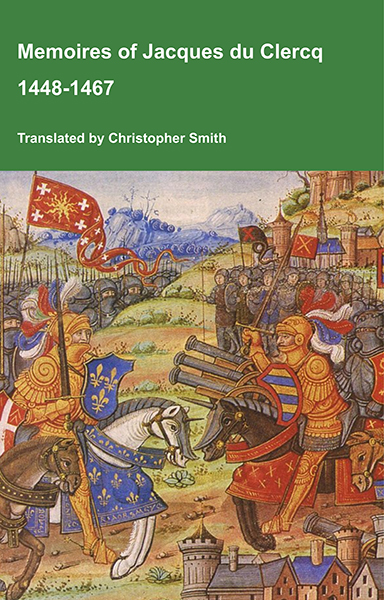
This is a translation of the 'Memoires of Jacques du Clercq', published in 1823 in two volumes, edited by Frederic, Baron de Reissenberg. In his introduction Reissenberg writes: 'Jacques du Clercq tells us that he was born in 1424, and that he was a licentiate in law and a counsellor to Philip the Good, Duke of Burgundy, in the castellany of Douai, Lille, and Orchies. It appears that he established his residence at Arras. In 1446, he married the daughter of Baldwin de la Lacherie, a gentleman who lived in Lille. We read in the fifth book of his Memoirs that his father, also named Jacques du Clercq, had married a lady of the Le Camelin family, from Compiègne. His ancestors, always attached to the counts of Flanders, had constantly served them, whether in their councils or in their armies.' The Memoires cover a period of nineteen years beginning in in 1448, ending in in 1467. It appears that the author had intended to extend the Memoirs beyond that date; no doubt illness or death prevented him from carrying out this plan. As Reissenberg writes the 'merit of this work lies in the simplicity of its narrative, in its tone of good faith, and in a certain air of frankness which naturally wins the reader’s confidence.' Du Clercq ranges from events of national and international importance, including events of the Wars of the Roses in England, to simple, everyday local events such as marriages, robberies, murders, trials and deaths, including that of his own father in Book 5; one of his last entries.
Available at Amazon in eBook and Paperback format.
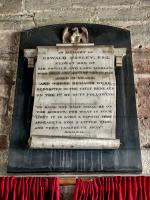
On 25th September 1856 Oswald Mosley [aged 51] died died without issue. He was buried at St Mary's Church, Rolleston on Dove [Map] on 1st October 1856.
Oswald Mosley: On 2nd December 1804 he was born to Oswald Mosley 2nd Baronet and Sophia Anne Every Lady Mosley.

On 25th September 1858 Arthur Hacker was born to Edward Hacker [aged 46].
On 25th September 1862 Maria II Queen Portugal [aged 65] died.
On 25th September 1893 Albert Joseph Moore [aged 52] died.
From 25th September 1915 and 8th October 1915 the Battle of Loos was fought in France on the Western Front. The Zeppelin airships crossed the Norfolk coastline at about 8.30pm. The L3, captained by Captain Lieutenant Johann Fritz, then turned south east, towards Great Yarmouth, and the L4, under the command of Kapitanleutnant Count Magnus von Platen-Hallermund, turned north west, towards King's Lynn.
On 25th September 1916 William Alastair Damer Parnell was killed in action during the Battle of the Somme.
On 25th September 1916 Maurice Hylton Frankland Payne-Gallwey [aged 27] was killed in action at Lesbouefs and buried there.
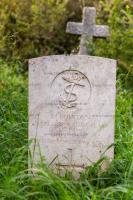
St James' Church, Antony [Map]. 25th September 1920. Grave of R. Bowden. Ship's Corporal First Class. RN. 128100, HMS Vivid.
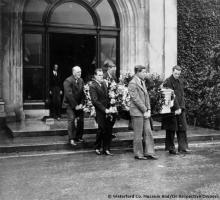
On 25th September 1934 John Beresford 7th Marquess of Waterford [aged 33] died in a shooting accident in the gun room at the family seat, Curraghmore House. His son John [aged 1] succeeded 8th Marquess Waterford.
Evening Star, Issue 21835, 26 September 1934, Page 9: "MARQUIS OF WATERFORD KILLED. FAMOUS CURSE RECALLED. Press Association—By Telegraph—Copyright. LONDON, September 23. The Marquess of Waterford was killed in a shooting accident. He left his home at Portlaw alone at daybreak to shoot rabbits, and it is impossible to say how the accident happened. The famous Waterford curse doomed seven heads of the Beresford family to untimely deaths. The sixth marquess, who was accidentally drowned in 1911, was the seventh head, and people then declared that the curse would be lifted. [The Marquess of Waterford was thirty-three years of age. He was married in 1930, and had one son. His heir is the Earl of Tyrone.]"
SLIPPED ON FLOOR OF GUN ROOM. VERDICT OF ACCIDENTAL DEATH. LONDON, September 25. (Received Seplember 26, at 10.30 a.m.) It is presumed that the Marquess of Waterford slipped on the stone floor of the gun room, thus discharging his rifle. At the inquest a doctor gave evidence that the position of the wound proved that the marquess could not have touched the trigger. The jury returned a verdict of accidental death."
John Beresford 7th Marquess of Waterford: On 6th January 1901 he was born to Henry de la Poer Beresford 6th Marquess Waterford and Beatrix Petty-Fitzmaurice Duchess St Albans.
John Beresford 8th Marquess of Waterford: On 14th July 1933 he was born to John Beresford 7th Marquess of Waterford. In 1957 John Beresford 8th Marquess of Waterford and Caroline Wyndham-Quin Marchioness of Waterford were married. She by marriage Marchioness Waterford. She the daughter of Richard Wyndham-Quin 6th Earl of Dunraven and Mount-Earl and Nancy Yuille Countess of Dunraven and Mount-Earl. He the son of John Beresford 7th Marquess of Waterford. They were fifth cousin once removed. On 11th February 2015 John Beresford 8th Marquess of Waterford died. His son Henry succeeded 9th Marquess Waterford.
On 25th September 1216 Robert Capet Count of Artois was born to King Louis VIII of France [aged 29] and Blanche Ivrea Queen Consort France [aged 28]. He a great grandson of King Henry "Curtmantle" II of England. He married 14th June 1237 his third cousin Matilda Reginar Countess Saint Pol, daughter of Henry Reginar II Duke Brabant and Marie Swabia Duchess Brabant, and had issue.
On 25th September 1403 Louis Valois Anjou III Duke Anjou was born to King Louis of Naples [aged 25] and Yolande Barcelona Queen Consort Naples [aged 22]. Coefficient of inbreeding 4.78%. He married on or after 31st May 1431 his second cousin Margaret of Savoy, daughter of Amadeus Savoy VIII Count Savoy and Mary Valois Countess Savoy.

Anne Boleyn. Her Life as told by Lancelot de Carle's 1536 Letter.
In 1536, two weeks after the execution of Anne Boleyn, her brother George and four others, Lancelot du Carle, wrote an extraordinary letter that described Anne's life, and her trial and execution, to which he was a witness. This book presents a new translation of that letter, with additional material from other contemporary sources such as Letters, Hall's and Wriothesley's Chronicles, the pamphlets of Wynkyn the Worde, the Memorial of George Constantyne, the Portuguese Letter and the Baga de Secrets, all of which are provided in Appendices.
Available at Amazon in eBook and Paperback format.
On 25th September 1617 Francis Drake 2nd Baronet was born to Francis Drake 1st Baronet [aged 29] and Joan Stroud. He married 18th January 1640 Dorothy Pym.
On 25th September 1694 Henry Pelham was born to Thomas Pelham 1st Baron Pelham of Laughton [aged 41] and Grace Holles. He married 29th October 1726 his fourth cousin Catherine Manners, daughter of John Manners 2nd Duke Rutland and Catherine Russell Duchess Rutland, and had issue.
On 25th September 1697 Francis Josias Saxe Coburg Saalfeld Duke Saxe Coburg Saalfeld was born to John Ernest Saxe Coburg Saalfeld IV Duke Saxe Coburg Saalfeld [aged 39] and Charlotte Johanna Waldeck Wildungen Duchess Saxe Coburg Saalfeld at Saalfield. He married 2nd January 1723 his first cousin once removed Duchess Anna Sophie Of Saxe-Coburg-Saalfeld and had issue.

On 25th September 1712 Mary Shirley Viscountess Kilmorey was born to Washington Shirley 2nd Earl Ferrers [aged 35] and Mary Levinge Countess Ferrers. She married 20th June 1730 Thomas Needham 9th Viscount Kilmorey, son of Robert Needham 7th Viscount Kilmorey.
On 25th September 1715 Henrietta Hervey was born to John Hervey 1st Earl Bristol [aged 50] and Elizabeth Felton Countess Bristol [aged 38].


On 25th September 1735 James Bertie was born to Willoughby Bertie 3rd Earl of Abingdon [aged 42] and Anna Maria Collins Countess Abingdon. He died aged ten in 1745.
On 25th September 1744 Frederick William II King Prussia was born to Augustus William Hohenzollern [aged 22]. He a great x 4 grandson of King James I of England and Ireland and VI of Scotland. He married (1) 14th July 1765 Crown Princess Elisabeth Christine of Prussia and had issue (2) 14th July 1769 his fifth cousin Queen Frederica Louisa of Prussia and had issue.
On 25th September 1754 George Throckmorton aka Courtenay-Throckmorton 6th Baronet was born to George Throckmorton [aged 33].
On 25th September 1767 John Stuart was born to John Stuart 1st Marquis of the Isle of Bute [aged 23] and Charlotte Jane Windsor Marchioness Bute [aged 21] at Grosvenor Square, Belgravia. He married 12th October 1792 Elizabeth Penelope Mcdouall Crichton, daughter of Patrick Mcdouall Crichton 6th Earl Dumfries, and had issue.



On 25th September 1793 Lucy Graham Countess Powis was born to James Graham 3rd Duke Montrose [aged 38] and Caroline Maria Montagu Duchess Montrose. She married 9th February 1818 Edward Herbert 2nd Earl Powis, son of Edward Clive 1st Earl Powis and Henrietta Antonia Herbert 3rd Countess Powis, and had issue.
On 25th September 1803 Henry Legge was born to George Legge 3rd Earl Dartmouth [aged 47] and Frances Finch Countess Dartmouth [aged 42]. He married 12th May 1842 Marian Rogers, daughter of Frederick Rogers 7th Baronet.


The Deeds of the Dukes of Normandy
The Gesta Normannorum Ducum [The Deeds of the Dukes of Normandy] is a landmark medieval chronicle tracing the rise and fall of the Norman dynasty from its early roots through the pivotal events surrounding the Norman Conquest of England. Originally penned in Latin by the monk William of Jumièges shortly before 1060 and later expanded at the behest of William the Conqueror, the work chronicles the deeds, politics, battles, and leadership of the Norman dukes, especially William’s own claim to the English throne. The narrative combines earlier historical sources with firsthand information and oral testimony to present an authoritative account of Normandy’s transformation from a Viking settlement into one of medieval Europe’s most powerful realms. William’s history emphasizes the legitimacy, military prowess, and governance of the Norman line, framing their expansion, including the conquest of England, as both divinely sanctioned and noble in purpose. Later chroniclers such as Orderic Vitalis and Robert of Torigni continued the history, extending the coverage into the 12th century, providing broader context on ducal rule and its impact. Today this classic work remains a foundational source for understanding Norman identity, medieval statesmanship, and the historical forces that reshaped England and Western Europe between 800AD and 1100AD.
Available at Amazon in eBook and Paperback format.
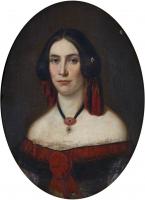
On 25th September 1836 Henry Malet 3rd Baronet was born to Alexander Malet 2nd Baronet [aged 36] and Marianne Dora Spalding Lady Malet [aged 26].
On 25th September 1843 Richard Knight Causton 1st Baron Southwark was born to Joseph Causton [aged 28] and Mary Anne Porter [aged 30]. He married 10th August 1871 Selina Mary Chambers Baroness Southwark.
On 25th September 1847 Mary Eleanor Coventry Countess Suffolk and Berkshire was born to Henry Amelius Beauclerk Coventry [aged 31] and Caroline Stirling Dundas [aged 32]. She married 1868 Henry Charles Howard 18th Earl Suffolk 11th Earl Berkshire, son of Charles Howard 17th Earl Suffolk 10th Earl Berkshire and Isabella Catherine Mary Howard-Molyneux-Howard Countess Suffolk and Berkshire, and had issue.
On 25th September 1848 Oswald Mosley 4th Baronet was born to Tonman Mosley 3rd Baronet [aged 35] and Catherine Wood [aged 14].
On 25th September 1850 Henry William Beresford 3rd Baronet was born to Henry William Beresford [aged 29].
On 25th September 1858 Arthur Hacker was born to Edward Hacker [aged 46].
On 25th September 1860 John Hope 1st Marquess Linlithgow was born to John Alexander Hope 6th Earl Hopetoun [aged 29] at South Queensferry.

On 25th September 1881 Isobel Alice Adelaide Kerr was born to Schomberg Henry Kerr Kerr 9th Marquess Lothian [aged 47] and Victoria Alexandrina Montagu-Douglas-Scott Marchioness Lothian [aged 36].
On 25th September 1957 Piers Michael James Hogg 9th Baronet was born to Michael David Hogg 8th Baronet [aged 32] and Elizabeth Anne Thérèse Falkiner Lady Hogg [aged 27].
On 25th September 1959 Louisa Caroline Hervey-Bathurst was born to Frederick John Charles Hervey-Bathurst 7th Baronet [aged 25] and Caroline Myrtle Starkey Lady Hervey-Bathurst [aged 23]. She married 9th October 1982 Jonathan Francis Portal 6th Baronet.
On 25th September 1964 Edward John Francis Dashwood 12th Baronet was born to Francis John Vernon Hereward Dashwood 11th Baronet [aged 39].
The Deeds of the Dukes of Normandy
The Gesta Normannorum Ducum [The Deeds of the Dukes of Normandy] is a landmark medieval chronicle tracing the rise and fall of the Norman dynasty from its early roots through the pivotal events surrounding the Norman Conquest of England. Originally penned in Latin by the monk William of Jumièges shortly before 1060 and later expanded at the behest of William the Conqueror, the work chronicles the deeds, politics, battles, and leadership of the Norman dukes, especially William’s own claim to the English throne. The narrative combines earlier historical sources with firsthand information and oral testimony to present an authoritative account of Normandy’s transformation from a Viking settlement into one of medieval Europe’s most powerful realms. William’s history emphasizes the legitimacy, military prowess, and governance of the Norman line, framing their expansion, including the conquest of England, as both divinely sanctioned and noble in purpose. Later chroniclers such as Orderic Vitalis and Robert of Torigni continued the history, extending the coverage into the 12th century, providing broader context on ducal rule and its impact. Today this classic work remains a foundational source for understanding Norman identity, medieval statesmanship, and the historical forces that reshaped England and Western Europe between 800AD and 1100AD.
Available at Amazon in eBook and Paperback format.
On 25th September 1613 Robert Devereux 3rd Earl Essex [aged 22] and Frances Howard Countess Essex and Somerset [aged 23] marriage annulled by King James I of England and Ireland and VI of Scotland [aged 47]. She married Robert Carr 1st Earl Somerset [aged 26] three months later.


On 25th September 1740 Danvers Osborn 3rd Baronet [aged 24] and Mary Montagu [aged 22] were married. She the daughter of George Montagu 1st Earl Halifax and Mary Lumley Countess Halifax.


On 25th September 1756 Edward Craggs Eliot 1st Baron Eliot [aged 29] and Catherine Elliston Baroness Eliott [aged 21] were married.
On 25th September 1788 Peyton Skipwith 7th Baronet [aged 47] and Jean Miller Lady Skipwith were married. She, Anne, the sister of his first wife Anne Miller Lady Skipwith; an example of Married to Two Siblings. She by marriage Lady Skipwith of Prestwould in Leicestershire.
On 25th September 1791 Brydges Trecothic Henniker 1st Baronet [aged 23] and Mary Press were married.
On 25th September 1849 Paul William Molesworth 10th Baronet [aged 28] and Jane Frances Booker Lady Molesworth were married.
On 25th September 1856 Richard Henry Fitzroy Somerset 2nd Baron Raglan [aged 39] and Georgina Lygon Baroness Raglan [aged 24] were married. She by marriage Baroness Raglan. She the daughter of Henry Beauchamp Lygon 4th Earl Beauchamp [aged 72] and Susan Caroline Eliot. They were fifth cousins.
On 25th September 1860 Alexander Bannerman 9th Baronet [aged 37] and Arabella Diana Sackville-West [aged 25] were married. She the daughter of George Sackville-West 5th Earl De La Warr [aged 68] and Elizabeth Sackville Countess De La Warr [aged 65].
On 25th September 1925 Christopher Tennant 2nd Baron Glenconner [aged 26] and Pamela Winefred Paget Baroness Glenconner [aged 22] were married. She by marriage Baroness Glenconner of The Glen in Peebles.
On 25th September 1066 King Harold II of England [aged 44], supported by the brothers Edwin Earl of Mercia and Morcar Earl Northumbria, defeated the Viking army at the Battle of Stamford Bridge at Stamford Bridge [Map].
King Harald Hardrada III of Norway [aged 51] was killed. His son Magnus [aged 18] succeeded King Norway.
Harold's brother, fighting against Harold, Tostig Godwinson Earl Northumbria [aged 40] was killed.
On 25th September 1086 Guy William Poitiers VIII Duke Aquitaine [aged 61] died. His son William [aged 14] succeeded IX Duke Aquitaine.
On 25th September 1254 William Cantilupe died. His son George [aged 2] succeeded 12th Baron Abergavenny Feudal Creation.
Henrici Quinti, Angliæ Regis, Gesta, is a first-hand account of the Agincourt Campaign, and subsequent events to his death in 1422. The author of the first part was a Chaplain in King Henry's retinue who was present from King Henry's departure at Southampton in 1415, at the siege of Harfleur, the battle of Agincourt, and the celebrations on King Henry's return to London. The second part, by another writer, relates the events that took place including the negotiations at Troye, Henry's marriage and his death in 1422.
Available at Amazon in eBook and Paperback format.
On 25th September 1292 Alice Saluzzo Countess Arundel died. She was buried at Haughmond Abbey [Map].
On 25th September 1300 Edmund "Almain" 2nd Earl Cornwall [aged 50] died. Earl Cornwall extinct. He was buried, heart and flesh, at Ashridge, Hertfordshire [Map]. His bones were interred at Hailes Abbey [Map] during a service attended by King Edward I of England [aged 61].
On 25th September 1396 at the Battle of Nicopolis..
Henry of Bar [aged 32] was captured.
Philippe of Bar [aged 24] was killed. His brother Edward [aged 19] succeeded III Duke Bar.
Philip Artois Count of Eu [aged 39] was captured.
On 25th September 1491 John Valois II Count of Nevers, Etampes, Rethel and Eu [aged 76] died. His grandson Engelbert [aged 28] succeeded Count Eu and Count Nevers.
On 25th September 1506 Philip "Handsome Fair" King Castile [aged 28] died.
On 25th September 1554 Bishop Richard Sampson died at Eccleshall Castle, Staffordshire [Map]. He was buried at Holy Trinity Church, Eccleshall [Map].
On 25th September 1554 Thomas West 9th Baron De La Warr 6th Baron West [aged 79] died at Offington Worthing. Baron West and Baron De La Warr abeyant between the two daughters of his half-brother Owen West. A new barony Baron De La Warr was conferred on Thomas' heir-male William West 1st Baron De La Warr [aged 28].
On 25th September 1558 Gertrude Blount Marchioness of Exeter [aged 55] died.
On 25th September 1560 Francis Talbot 5th Earl of Shrewsbury [aged 60] died. His son George [aged 32] succeeded 6th Earl of Shrewsbury, 6th Earl Waterford, 11th Baron Furnivall, 15th Baron Strange Blackmere, 12th Baron Talbot. Gertrude Manners Countess Shrewsbury and Waterford [aged 35] by marriage Countess of Shrewsbury Countess Waterford.


On 25th September 1591 Christian Wettin I Elector Saxony [aged 30] died. His son John [aged 6] succeeded Elector Saxony.
On 25th September 1593 Henry Stanley 4th Earl of Derby [aged 62] died at Lathom, Lancashire. His son Ferdinando [aged 34] succeeded 5th Earl Derby, 13th Baron Strange Knockin, 9th Baron Mohun of Dunster, 6th Baron Stanley. Alice Spencer Countess Derby [aged 44] by marriage Countess Derby.


This is a translation of the 'Memoires of Jacques du Clercq', published in 1823 in two volumes, edited by Frederic, Baron de Reissenberg. In his introduction Reissenberg writes: 'Jacques du Clercq tells us that he was born in 1424, and that he was a licentiate in law and a counsellor to Philip the Good, Duke of Burgundy, in the castellany of Douai, Lille, and Orchies. It appears that he established his residence at Arras. In 1446, he married the daughter of Baldwin de la Lacherie, a gentleman who lived in Lille. We read in the fifth book of his Memoirs that his father, also named Jacques du Clercq, had married a lady of the Le Camelin family, from Compiègne. His ancestors, always attached to the counts of Flanders, had constantly served them, whether in their councils or in their armies.' The Memoires cover a period of nineteen years beginning in in 1448, ending in in 1467. It appears that the author had intended to extend the Memoirs beyond that date; no doubt illness or death prevented him from carrying out this plan. As Reissenberg writes the 'merit of this work lies in the simplicity of its narrative, in its tone of good faith, and in a certain air of frankness which naturally wins the reader’s confidence.' Du Clercq ranges from events of national and international importance, including events of the Wars of the Roses in England, to simple, everyday local events such as marriages, robberies, murders, trials and deaths, including that of his own father in Book 5; one of his last entries.
Available at Amazon in eBook and Paperback format.
On 25th September 1621 Mary Sidney Countess Pembroke [aged 59] died of smallpox at Herbert Townhouse Aldersgate Street. Her funeral was held at St Paul's Cathedral [Map]. She was buried at Salisbury Cathedral [Map].
On 25th September 1626 Bishop Lancelot Andrewes [aged 71] died.
On 25th September 1665 Maria Anna Habsburg Spain Duchess Bavaria [aged 55] died.
On 25th September 1696 Bishop Robert Grove [aged 62] died in a carriage accident. He was buried in Chichester Cathedral [Map].
On 25th September 1703 Archibald Campbell 1st Duke Argyll [aged 45] died. His son John [aged 22] succeeded 2nd Duke Argyll. Mary Duncombe Duchess of Argyll [aged 18] by marriage Duchess Argyll.
On 25th September 1715 Daniel Byrne 2nd Baronet [aged 39] died. His son John [aged 10] succeeded 3rd Baronet Byrne of Timogue in Queen's County.
On 25th September 1728 William Blackett 2nd Baronet [aged 38] died without issue. He was buried in Cathedral Church St Nicholas, Newcastle upon Tyne [Map]. Baronet Blackett of Newcastle upon Tyne in Northumberland extinct. His nephew Walter Calverley aka Blackett 2nd Baronet [aged 20] inherited his estates at Allendale, Northumberland and William Blackett 2nd Baronet, Cambo on condition that he marry William's illegitmate daughter Elizabeth Orde Lady Blackett, apparently within twelve months although he was late by four days, and change his surname to Blackett, which he duly did. He changed his surname by an Act of Parliament in 1733.
On 25th September 1746 St George Gore 5th Baronet [aged 24] died. His brother Ralph [aged 20] succeeded Baronet Gore of Magherabegg in County Donegal.
On 25th September 1755 John Trevelyan 2nd Baronet [aged 85] died. His son George [aged 47] succeeded 3rd Baronet Trevelyan of Nettlecombe. Julia Calverly Lady Trevelyan [aged 42] by marriage Lady Trevelyan of Nettlecombe.
On 25th September 1758 John Fitzpatrick 1st Earl Upper Ossory [aged 39] died. His son John [aged 13] succeeded 2nd Earl Upper Ossory, 3rd Baron Gowran of Bowran in County Kilkenny.
On 25th September 1774 Sholto Charles Douglas 15th Earl Morton [aged 43] died. His son George [aged 13] succeeded 16th Earl Morton.
Anne Boleyn. Her Life as told by Lancelot de Carle's 1536 Letter.
In 1536, two weeks after the execution of Anne Boleyn, her brother George and four others, Lancelot du Carle, wrote an extraordinary letter that described Anne's life, and her trial and execution, to which he was a witness. This book presents a new translation of that letter, with additional material from other contemporary sources such as Letters, Hall's and Wriothesley's Chronicles, the pamphlets of Wynkyn the Worde, the Memorial of George Constantyne, the Portuguese Letter and the Baga de Secrets, all of which are provided in Appendices.
Available at Amazon in eBook and Paperback format.
On 25th September 1777 John Tollemache [aged 27] was killed in a duel in New York by Lowther Pennington. His two-year old son John Tollemache [aged 2] was adopted by his brother Lionel Tollemache 5th Earl Dysart [aged 43]. Pennington was "accused of the Murder of the Honorable John Tollemache, Captain in the Royal Navy, and Commander of His Majesty's Ship of War, Zebra." Concluding, the court, "having considered the Evidence against the Prisoner Captain Lowther Pennington, together with what he had to Offer in his Defence, is of Opinion that he is not guilty of the Crime of which he stood accused, and doth therefore Acquit him."
September 29, New-York Gazette: "The Evening after the Arrival of the Fleet [September 25], a duel, with Swords, was fought at Hull's, between the Honorable J Talmash (Brother to Earl Dysert) Commander of the Zebra, and Capt Pennington (Son to Sir Ralph Pennington) of the Guards, who came Passenger in the Zebra; in which the former received a Wound under the left Breast of which he expired immediately; the latter was wounded in 7 different Parts, but is like to do well. Captain Talmash's Corpse were [sic] decently interred in Trinity Church Yard last Saturday Evening."
October 4, Rivington's New-York Gazette: "An unhappy difference having taken place on the passage between the Hon Capt Tollemache, of the Zebra, brother to the Right Hon the Earl of Dysert, and Capt Pennington, of the Guards, brother to Sir Joseph Pennington, it terminated in a duel on the night of their arrival, at Hull's Tavern, when the former was killed by a thrust in the breast, and the latter who received three wounds is in very great danger."
General Richard FitzPatrick [aged 29] to his sister-in-law Anne Liddell FitzRoy FitzPatrick [aged 40], Countess of [Upper] Ossory: "Captain Tollemache is killed in a duel by a wrongheaded officer in the Guards, a Mr Pennington, whom he brought over in his ship. As it happened at New York, we do not know the particulars, but everybody concludes the latter to have been in the wrong, from his general character. I cannot help pitying Lady Bridget, though she is a detestable woman."
On 25th September 1782 Elizabeth Marsham Viscountess Fokestone [aged 71] died.
On 25th September 1793 Henry Digby 1st Earl Digby [aged 62] died. His son Edward [aged 20] succeeded 2nd Earl Digby, 8th Baron Digby of Geashill in County Offaly, 2nd Baron Digby of Sherbourne in Dorset.
On 25th September 1812 George Yonge 5th Baronet [aged 81] died. Baronet Yonge of Colyton in Devon extinct.
On 25th September 1826 Queen Fredrika Dorotea Vilhelmina [aged 45] died.

On 25th September 1843 Matthew Wood 1st Baronet [aged 75] died. His son John [aged 47] succeeded 2nd Baronet Wood of Hatherley House in Gloucestershire.
On 25th September 1854 John Butler 2nd Marquess Ormonde [aged 46] died. His son James [aged 9] succeeded 3rd Marquess Ormonde, 21st Earl Ormonde, 15th Earl Ossory, 3rd Baron Ormonde of Llanthony in Monmouthshire.
On 25th September 1862 Maria II Queen Portugal [aged 65] died.
On 25th September 1877 Matthew White Ridley 4th Baronet [aged 70] died. His son Matthew [aged 35] succeeded 5th Baronet Ridley of Blagdon in Northumberland. Mary Georgiana Marjoribanks Viscountess Ridley [aged 27] by marriage Lady Ridley of Blagdon in Northumberland

On 25th September 1881 David Ogilvy 10th Earl of Airlie [aged 55] died. His son David [aged 25] succeeded 11th Earl Airlie.
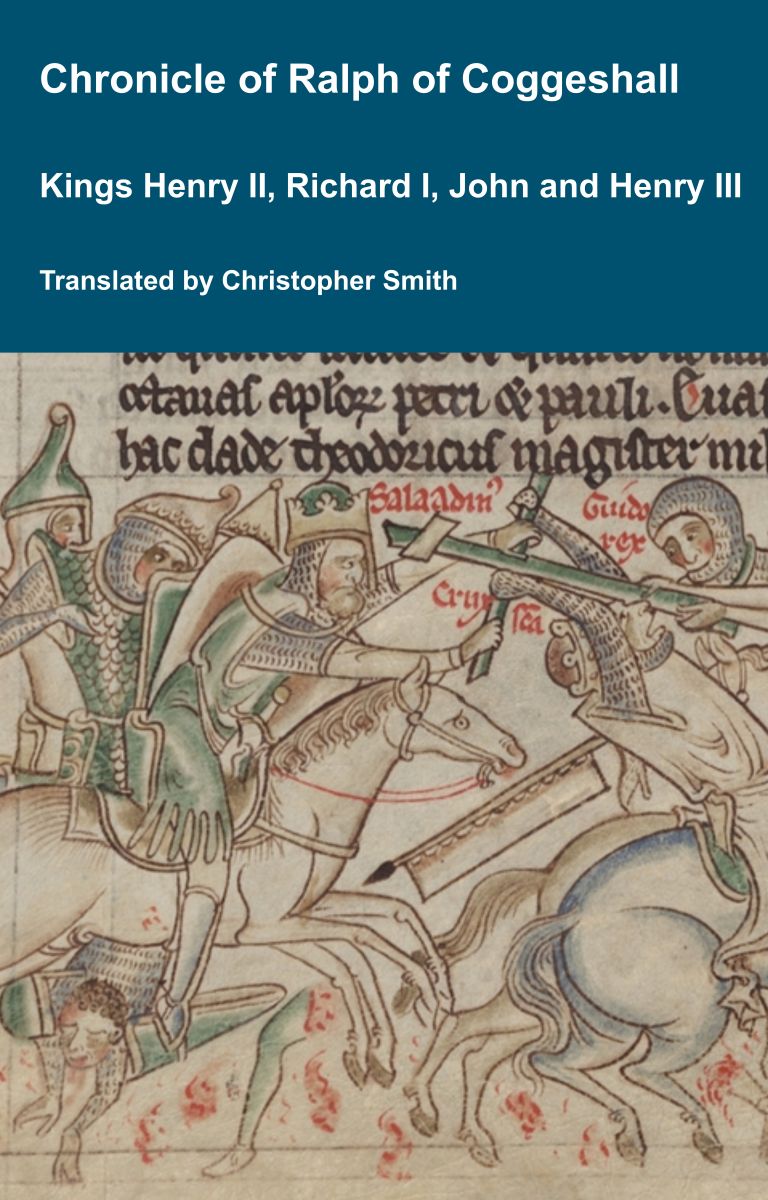
Chronicle of Abbot Ralph of Coggeshall
The Chronicle of Abbot Ralph of Coggeshall (Chronicon Anglicanum) is an indispensable medieval history that brings to life centuries of English and European affairs through the eyes of a learned Cistercian monk. Ralph of Coggeshall, abbot of the Abbey of Coggeshall in Essex in the early 13th century, continued and expanded his community’s chronicle, documenting events from the Norman Conquest of 1066 into the tumultuous reign of King Henry III. Blending eyewitness testimony, careful compilation, and the monastic commitment to record-keeping, this chronicle offers a rare narrative of political intrigue, royal power struggles, and social upheaval in England and beyond. Ralph’s work captures the reigns of pivotal figures such as Richard I and King John, providing invaluable insights into their characters, decisions, and the forces that shaped medieval rule. More than a simple annal, Chronicon Anglicanum conveys the texture of medieval life and governance, making it a rich source for scholars and readers fascinated by English history, monastic authorship, and the shaping of the medieval world.
Available at Amazon in eBook and Paperback format.
On 25th September 1893 Albert Joseph Moore [aged 52] died.
On 25th September 1900 Richard William Penn Curzon Howe 3rd Earl Howe [aged 78] died. His son Richard [aged 39] succeeded 4th Earl Howe, 5th Viscount Curzon of Penn in Buckinghamshire, 6th Baron Howe. Georgiana Elizabeth Spencer-Churchill Countess Howe [aged 40] by marriage Countess Howe.
On 25th September 1908 George Henry Cornewall 5th Baronet [aged 75] died. His son Geoffrey [aged 39] succeeded 6th Baronet Amyand aka Cornewall of Moccas Court in Herefordshire.
On 25th September 1916 George Capell 7th Earl of Essex [aged 58] died at his home Stanley House having been run over by a taxi. His son Algernon [aged 32] succeeded 8th Earl Essex, 9th Baron Capell Hadham.


On 25th September 1917 William Henry Edgecumbe 4th Earl of Mount Edgcumbe [aged 83] died. His son Piers [aged 52] succeeded 5th Earl of Mount Edgcumbe, 6th Baron Edgcumbe. Edith Villiers Countess Mount Edgecumbe [aged 39] by marriage Countess of Mount Edgcumbe.

On 25th September 1934 John Beresford 7th Marquess of Waterford [aged 33] died in a shooting accident in the gun room at the family seat, Curraghmore House. His son John [aged 1] succeeded 8th Marquess Waterford.
Evening Star, Issue 21835, 26 September 1934, Page 9: "MARQUIS OF WATERFORD KILLED. FAMOUS CURSE RECALLED. Press Association—By Telegraph—Copyright. LONDON, September 23. The Marquess of Waterford was killed in a shooting accident. He left his home at Portlaw alone at daybreak to shoot rabbits, and it is impossible to say how the accident happened. The famous Waterford curse doomed seven heads of the Beresford family to untimely deaths. The sixth marquess, who was accidentally drowned in 1911, was the seventh head, and people then declared that the curse would be lifted. [The Marquess of Waterford was thirty-three years of age. He was married in 1930, and had one son. His heir is the Earl of Tyrone.]"
SLIPPED ON FLOOR OF GUN ROOM. VERDICT OF ACCIDENTAL DEATH. LONDON, September 25. (Received Seplember 26, at 10.30 a.m.) It is presumed that the Marquess of Waterford slipped on the stone floor of the gun room, thus discharging his rifle. At the inquest a doctor gave evidence that the position of the wound proved that the marquess could not have touched the trigger. The jury returned a verdict of accidental death."
John Beresford 7th Marquess of Waterford: On 6th January 1901 he was born to Henry de la Poer Beresford 6th Marquess Waterford and Beatrix Petty-Fitzmaurice Duchess St Albans.
John Beresford 8th Marquess of Waterford: On 14th July 1933 he was born to John Beresford 7th Marquess of Waterford. In 1957 John Beresford 8th Marquess of Waterford and Caroline Wyndham-Quin Marchioness of Waterford were married. She by marriage Marchioness Waterford. She the daughter of Richard Wyndham-Quin 6th Earl of Dunraven and Mount-Earl and Nancy Yuille Countess of Dunraven and Mount-Earl. He the son of John Beresford 7th Marquess of Waterford. They were fifth cousin once removed. On 11th February 2015 John Beresford 8th Marquess of Waterford died. His son Henry succeeded 9th Marquess Waterford.
On 25th September 1944 John Francis Arundell 16th Baron Arundel [aged 37] died unmarried. Baron Arundel of Wardour in Wiltshire extinct.
On 25th September 1965 Mary Cecil Curzon 17th Baroness Zouche [aged 90] died. Her grandson James [aged 22] succeeded 18th Baron Zouche Harringworth.
On 25th September 1965 Alexander Burnett Ramsay 6th Baronet [aged 62] died. His son Alexander [aged 27] succeeded 7th Baronet Ramsay of Balmain in Kincardineshire.
On 25th September 1971 Michael George Motley Stracey 8th Baronet [aged 60] died. His first cousin John [aged 32] succeeded 9th Baronet Stracey of Rackheath in Norfolk.