

19 Feb is in February.
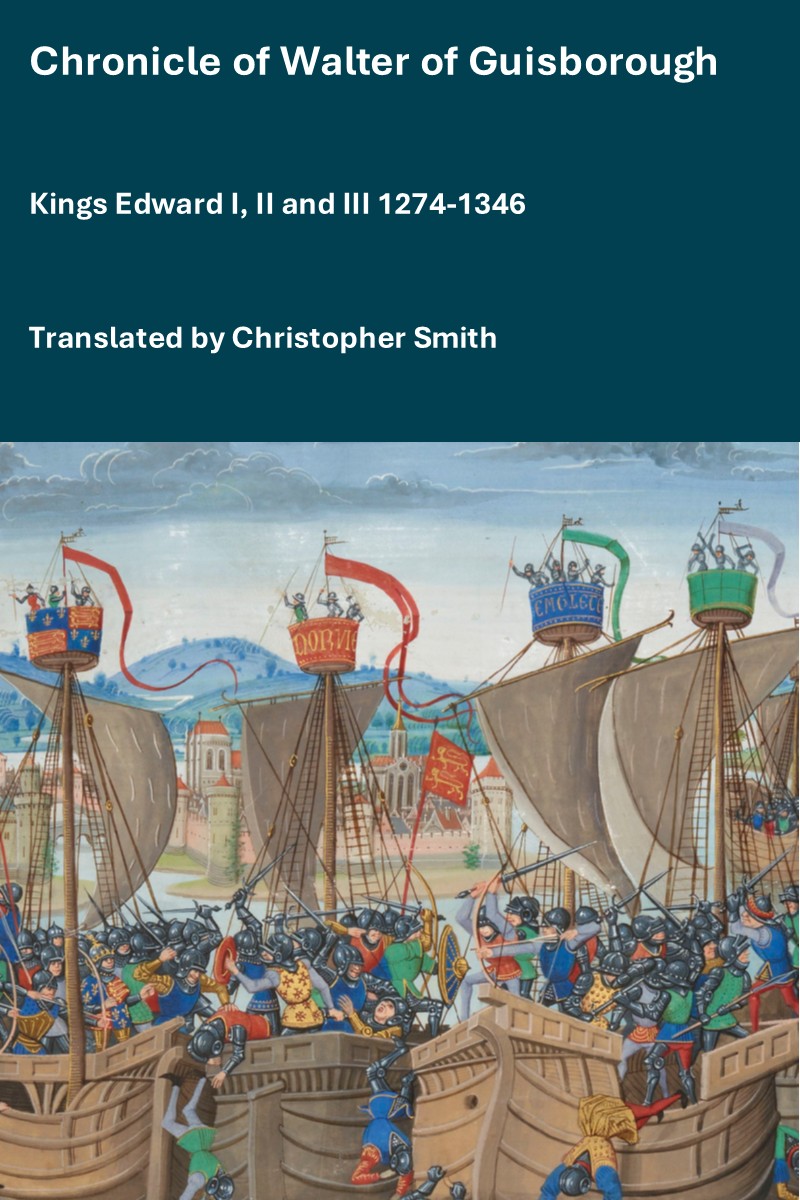 Chronicle of Walter of Guisborough. In the same year, around the feast of Pentecost, two cardinals came to England, sent from the side of the Lord Pope to the king of England, bearing papal letters written in these words:
"Boniface, bishop, servant of the servants of God, to his beloved son in Christ, Edward, illustrious King of England, greeting and apostolic blessing. What stirs our soul and mind, dearest son, is the sincere and affectionate love which, from long ago, when the burden of a lesser office was ours, we bore toward your royal person and your renowned kingdom, and which we continue to bear with unceasing benevolent devotion. Our constant desire is to lead your royal majesty, whose exaltation and glory we most earnestly long for, to those things by which, in the sight of the King Most High, by whom kings reign and princes rule, you may be found ever more acceptable, appear more pleasing, be held more dear, and that in the kingdom of this world, under the glorious title of royalty, abundant increase may be granted to you."
"Indeed, from the very beginning of our promotion, extending the focus of our mind to the general condition of the faithful, and considering with attentive care the serious, indeed, most serious, discord that has arisen between you and our dearly beloved son in Christ, Philip, the illustrious king of the French, who is closely related to you by blood, a discord provoked by the enemy of peace and instigator of evils, and utterly contrary to our wishes, we have, with firm and deliberate resolve, determined to send solemn envoys and letters to your royal presence concerning this matter, which lies most heavily upon our heart."
"But because of our departure from the city of Naples, where at the time the Roman Curia was residing, and our journey to the city of Rome, which was considerably delayed by the dangers and hazards of the roads, and also due to the solemnities of our consecration being celebrated there, we were hindered and unable to send the aforementioned envoys and letters sooner. In truth, dearest son, we are by no means forgetful, indeed, we hold it firmly in memory, that you have, even when we held a lesser office, loved us with sincere affection and treated us with abundant favour. Therefore, as we diligently reflect on how great and how grievous are the burdens caused by the aforementioned discord, how many and how serious are the dangers it brings with it, how harmful it is to the faithful, how severely it disrupts and hinders the cause of the Holy Land, and how greatly it is known to displease God, we are troubled as a father, wounded as a mother, and stirred more bitterly still in our innermost being as a lover. Nor can we find any sweetness in rest until this matter, which weighs so heavily on our heart, reaches its hoped-for and swift resolution. And so we are sending to you and to the said king of France our venerable brothers, Beraldus, Bishop of Albano, and Simon, Bishop of Palestrina, envoys of the Apostolic See, men truly of profound counsel, endowed with knowledge of letters, adorned with many virtues, and lovers of peace and concord, as angels of peace, though we must do without their company. We therefore earnestly ask, strongly urge, and beseech your royal highness in the Lord Jesus Christ: for the sake of divine reverence and the honour of the Apostolic See, receive these bishops, who are indeed great pillars of the Church and zealous guardians of your honour and reputation, as a true son of blessing and grace. Welcome them kindly, treat them with due respect, and show them fitting honour. Listen attentively to them, understand them carefully, and diligently strive to carry out whatever they or either of them may present to you regarding this matter."
"Thus may you conduct yourself in these matters devoutly and promptly, as we hope and desire, so that, once all obstacles of difficulty or refusal have been removed, the sincerity of your royal devotion may shine forth all the more clearly. May the renown of your reputation, already great and far-reaching, grow even more widely throughout the world, and may you more abundantly merit the favour of the Apostolic See, which overflows upon its devoted sons. Given at the Lateran, on the eleventh day before the Kalends of March [19th February 1296], in the first year of our pontificate."
Eodem anno circa festum Pentecostes venerunt in Angliam duo cardinales, missi a latere arrive in papæ ad regem Angliæ cum epistolis papalibus in hæc verba conceptis:
"Bonifacius episcopus, servus servorum Dei, Bull of Pope carissimo in Christo filio Edwardo, regi Angliæ favour of illustri, salutem et apostolicam benedictionem, the King of Movet animum mentemque sollicitat, fili carissime, sincera et affectuosa dilectio, quam ab olim, dum cura nobis officii minoris incumberet, ad personam regiam tuumque regnum inclitum gessimus, et continuatis benivolis studiis gerere non cessamus, ut celsitudinem regiam, cujus exaltationem et gloriam summis desideriis affectamus, ad ea inducamus sollicite per quæ in conspectu Regis Altissimi, per quem reges regnant et principes dominantur, de bono semper in melius reddaris acceptior, occurras gratior, carior habearis, ac in regno mundi claris nominis regii titulis copiosum proveniat increBull of Pope Boniface. mentum."
"Sane ab ipsis nostræ promotionis auspiciis ad generalem statum fidelium mentis aciem extendentes, et considerantes attentius gravem immo gravissimam et omnino contrariam votis nostris inter te et carissimum in Christo filium nostrum Philippum regem Francourum illustrem, proxima tibi consanguinitate conjunctum, procurante pacis æmulo incentore malorum, discordiam suscitatam, firma et stabili dispositione decrevimus, ut super hujusmodi negotio, cordi nostro potissime insidente, solennes ad præsentiam regiam nuncios et literas mitteremus."
"Sed propter nostrum de civitate Neapolitana discessum, ubi tunc Romana curia residebat, nostrumque accessum ad urbem, quem viarum periculosa discrimina non modicum retardarunt, ac etiam ob nostræ inibi celebrata consecrationis solennia impediti, nequivimus citius nuncios prædictos et literas destinare. Revera, fili, nequaquam sumus immemores, quin potius tenaci memoria retinemus, quod nos hactenus, dum essemus in minori officio constituti sinceris affectibus dilexisti, plenisque fuisti favoribus prosecutus. Ideoque dum solerter attendimus quantis et quam gravibus prædicta discordia noscitur onusta dispendiis, quot et quanta pericula secum trahit, quam dampnosa fidelibus redditur, quam graviter turbat et impedit negotium Terræ Sanctæ, quantumve propterea Deo displicere dinoscitur, anxiamur ut pater, sauciamur ut mater, in intimis turbamur amarius ut amator, nec possumus quietis refoveri dulcedine, Edward I donec prælibatum negotium optatum et celerem exitum, juxta nostri cordis desiderium, sortiatur. Cum itaque venerabiles fratres nostros, Beraldum Albanensem et Simonem Penestrinum episcopos, sedis apostolicæ nuncios, exhibitores præsentium, viros utique profundi consilii, viros? litterarum scientia præditos, ac diversarum virtutum titulis insignitos, necnon pacis et concordiæ amatores, ad te dictumque regem Franciæ, tanquam pacis angelos, licet eorum inviti careamus præsentia, destinemus. Excellentiam regiam rogamus et hortamur attentius, ac obsecramus in Domino Jesu Christo, quatinus ob divinam et apostolicæ sedis reverentiam, memoratos episcopos, magnas utique columnas ecclesiæ tuique honoris et famæ fervidos zelatores, tanquam filius benedictionis et gratiæ benigne recipiens, honeste prosequens, et honorificentia condigna pertractans, attente audias, diligenter intelligas, et efficaciter studeas adimplere quæ ipsi, et eorum quilibet, coram te super eodem negotio duxerint proponenda:"
"Sic te in hiis devote ac prompte, prout speramus et cupimus, habiturus, ut difficultatis et repulsæ cujuslibet procul obice profligato, regiæ devotionis sinceritas exinde clarius elucescat, tuæque famæ præconium, quamvis amplum et diffusum, in seculo propensius augeatur, ac sedis apostolicæ gratiam, quæ circa filios devotos exuberat, abundantius merearis. Datum Laterani, XI kalendas Martii, pontificatus nostri anno primo."
Archaeologia Volume 22 Section XVI. How the Duke sent for John Wiclyffe [aged 49] to consult with hym, & how he was maide to come to his answeare.
[19th February 1377] In the meane tyme the duke ceased not (as yt ys sayed) with his felowes to imagyne how he myghte maike the churche subject, & by what meanes he myght submytt the realme unto hym, whereby he myght the frelier bring that to passe that he had long conceaved in hys mynde, for he saw that yt wolde be harde for hym to obteyne hys purpose, the churche standynge in her full state, & very daungerous to attempt publikely to doo those thynges that he had conceaved in hys mynde, the lawes & customes of London beynge in force; wherfor he labored fyrste to overthrow, as well the libertyes of the churche as of the citye, for the whiche he called unto hym a certain false devine, or as I may better name hym, a fyghter agaynste God, whoe, many yeares before, in all hys acts in the scholes had barked agaynste the churche, for that he was justly depryved by the Archbishopp of Canterburye from a certeyne benefyce that he uniustly was incumbent upon, within the cytye of Oxforde, & many new opynions he invented without any grounde but suche which vaynly occupied the eares of the hearers, & myght invite the simple people (desirous alwayes to heare new thyngs, as there manner ys) to hear hym. Thys felow was called John, but unworthely, for that he had caste away the grace that God had geaven hym, avertynge hym selffe from the trueth, which ys God, & convertynge unto fables. Amongst other thynges whiche he spake, not to be rehersed, he denyed the bishopp to have authorytye to excommunicate any man, & yf yt sholde be graunted that the bishopp colde excommunicate any person, then he affirmed that any prieste myght absolve such a one as well as the pope. He sayed further, that neither the kynge nor the seculer lorde coldegyve any thynge perpetually to any person of his churche. That (as he affirmed) in the tyme of William Rufus yt was practysed in Englande, for whom, as for other kynges of the realme (notwithstandynge he took away the church goodes) the churche of England praieth, which yf she doe lawfully, then she dothe well in prayeynge for the bishopp, & to say she doth yt unlawfully were absurde. Furthermore, he affyrmed that the temporal lordes (yf they had need) myght lawefully taike the goods of such religious persons to releave there necessityes. When he hadd taughte these & many worse then these, not only openly in the scholes in Oxforde, but also had preached them publikly in London, that there he myght ether gett the favoure of the duke, & of others whom he had found prone to heare hys opynion, which thyngs he had long sought for, that ys to say that he myght fynde certayne of the nobilitye of thys realme, or rather more ryghtly devills, whoe wolde imbrace hys folyshe toyes, & wolde encorage hym what they colde to maike dull the sworde of Peter, & least he sholde be publikly punyshed they sholde defende hym with the seculer arm, by whom beynge supported, he muche more boldly communicated the matter of excommunication with them, in so muche that he drew into the pytt of errour, not only lordes, but also certeyne simple cytyzens of London, for he was not only eloquent but also a most perfect hypocryte & dyssembler, directynge all hys doyngs to one ende, that ys to witt to spreade hys worde, hys fame, & opynion amongst men. He feined hym selffe to contemne temporall goods as unstable & fraile for the love of eternal ritches, & therfor hys conversation was with those religious that had possessions; & that he myght the more delude the people's mynds, he adioyned hym selffe unto the beggynge freires, approvynge there povertye & extollynge there perfection, that he myght deceave the vulgar sorte. He was furnyshed with many arguments, but with no knowledge from God, & florished to maike hys opinions seeme probable, & abundantly inveighed the eares of the unheartened hearers with the composition of wordes which he spytefully enoughe cast furthe, & vaynly fed the wyndes without frute.
On 3rd February 1388 the Merciless Parliament commenced. It ended on 4th June 1388. Its primary function was to prosecute members of the Court of King Richard II of England [aged 21]. The term "Merciless" is contemporary having been coined by the chronicler Henry Knighton.
Michael de la Pole 1st Earl Suffolk [aged 58] was sentenced to be hanged, drawn and quartered in his absence. He had escaped to France.
Archbishop Alexander Neville [aged 47] was found guilty of treason and it was determined to imprison him for life in Rochester Castle, Kent [Map]. He fled to Louvain [Map] where he became a parish priest for the remainder of his life.
On 19th February 1388 Robert Tresilian was hanged naked and his throat cut. See Chronicle of Adam of Usk.
On 25th March 1388 Nicholas Brembre was hanged. He was buried at Christ Church, Greyfriars [Map].
On 5th May 1388 Simon Burley [aged 48] was executed despite the protestations of his friend Edmund of Langley 1st Duke of York [aged 46]. See Chronicle of Adam of Usk.
On 12th May 1388 John Beauchamp 1st Baron Beauchamp [aged 69] was beheaded at Tower Hill [Map]. He was buried at Worcester Cathedral [Map]. Baron Beauchamp of Kidderminster forfeit.
Robert de Vere 1st Duke Ireland [aged 26] was attainted.


On 19th February 1408 Thomas Rokeby's [aged 28] force of Yorkshire levies defeated the Percy army during the Battle of Bramham Moor bringing to an end the Percy rebellion.
Henry Percy 1st Earl of Northumberland [aged 66] was killed. His body was afterwards hanged, drawn and quartered, his head being sent to London bridge and his quarters to diverse places. Possibly captured hanged, drawn and quartered after the battle. Earl of Northumberland, Baron Percy of Alnwick and Baron Percy of Topcliffe forfeit.
Thomas Bardolf 5th Baron Bardolf [aged 38] was killed. Baron Bardolf of Wormegay in Norfolk had been forfeited in 1406 when Thomas Bardolf 5th Baron Bardolf was declared a traitor. It was restored on the 19th of July 1408 to his two daughters Anne Bardolf Baroness Cobham Sternborough [aged 18] and Joan Bardolf [aged 17] and their husbands William Clifford [aged 33] and William Phelip [aged 25] respectively.
The Abbot of Hailes Abbey [Map] was executed following the battle since he was wearing armour. Bishop Griffin Yonge [aged 38], Bishop of Bangor, was captured, but wearing his vestments, he avoided execution.
Pakington's Chronicle [-1390]. [19th February 1408] This Yere Syr Henry Erle of Northumbreland [aged 66], and the Lorde Bardolph [aged 38], cumming agayn King Henry owte of Scotland, were taken yn the North, and behedid.
Chronicle of Adam of Usk [~1352-1430]. [19th February 1408] The aforesaid lords passed over into Scotland and thence with an armed band into England, trusting to have the kingdom for themselves. But the sheriff of York1, being well ware of their coming, crushed them in battle and beheaded them, and sent their heads to king Henry; which were afterwards set up beyond London bridge2. And when I heard these things, I, the writer of this history, gave thanks unto Him who foreseeth what is to come, for that I had stayed behind.
Note 1. Thomas Rokeby.
Note 2. They were defeated at Bramham Moor, 19th February, 1408. Bardolf died of his wounds. His body was quartered, and his head was set up over one of the gates of Lincoln. Northumberland fell on the field. His body was quartered and beheaded.
On 19th February 1414 Archbishop Thomas Fitzalan aka Arundel [aged 61] died.
Calendar of State Papers of Milan 1461.64. 19th February 1461. 64. Also by a letter of the 19th.
In order that you may learn how we fare, I advise you that on the 17th, which was Carnival day, not far from Saint Albans, the king took the field with the party from here; those of the queen encountered them in order to have him. About an hour after midday a skirmish was begun with the king's foreguard. They say that it lasted until six, and in the end the party from here was routed and the queen's side recovered the king, and he is with the queen and prince. They say that many were slain. The strength of the men of Kent with nobles, said to be under the leadership of the Earl of Arundel and also of the Duke of Norfolk, was incorrect, so there is less harm done (il forte di qua di Chenti di Signori si disse da principio del conte da Rondello e ancho del duca di Norfolcho, non e stato vero, che tanto e mancho danno).
The Earl of Warwick and the councillors and Messer J. Nevill, now known as Lord Montagu, when they saw the victory incline to the other side, took to flight, it is not known whither; but it is thought that they are in this district in secret. Thus it is not known where my Lord de Busser, the Treasurer, has taken refuge. When the news was known here, the mayor (il maestro di qua) sent to the king and queen, it is supposed to offer obedience, provided they were assured that they would not be plundered or suffer violence.
In the meantime they keep a good guard at the gates, which they keep practically closed, and so through all the district they maintain a good guard, and those who are here, thank God, feel no harm or lack of governance. Yet the shops keep closed, and nothing is done either by the tradespeople or by the merchants, and men do not stand in the streets or go far away from home. We are all hoping that, as the queen and prince have not descended in fury with their troops, the gates may be opened to them upon a good composition, and they may be allowed to enter peacefully. God grant this may happen! otherwise … favour, and thus we are not without great fear, as … the least lack of control would ruin everything. God be our protector, and may He not consider our sins! (Infratanto fanno buona guardia alle porte, le quali tengono come fermate e cosi per tutta la terra, si sta a buona guardia, che sono a qui per la Dio grazia, non ci si sente alcuno male ne disgoverno. Le botteghe pero stanno fermate e nulla ci si fa ne per genti di mestieri ne per mercanti e non si sta in strada ne ci dilunghiamo da casa. Tutti stiamo a speranza che, poiche la reina e prinze e loro gente non si sono calati qui a furia, che con buona compositione sie loro aperte le porti e lassati drento venire pacificie: che cosi piacci a Dio o altramente … ti … grascia e cosi non siamo pero senza grande paura pero che non pot … venire si minimo disgovherno che non guastasse tutto. Dio sia nostro protectore e non guardi ai nostri peccati).
I will say nothing of the numbers of the slain, but will wait until I can state the truth. The Earl of March was not at this battle, and it is not known exactly where he may be; most people agree that he is in the Cotswolds (in Cotisgualdo).
On 19th February 1505 Mathilde Hesse Duchess Cleves [aged 31] died.
Calendar of State Papers of Spain. 19th February 1554. Simon Renard to Prince Philip.
My Lord: Since I last wrote to your Highness French plots have been discovered to show that Courtenay and the Lady Elizabeth, by means of intermediaries called Peter Carew, Wyatt [aged 33], Crofts [aged 36] and my Lord Thomas (Grey), conspired to throw the Queen of England into the Tower and put her to death, in order to seize the crown for themselves. The King of France had promised help in troops and money, and had already distributed some 10,000 to 12,000 crowns to private individuals. In the meantime 200 or 300 gentlemen, all of them heretics, were meeting together: the Duke of Suffolk [aged 37] and his two brothers [Note. Thomas Grey and John Grey [aged 30]], Cobham [aged 57] and his three sons [Note. William Brooke 10th Baron Cobham [aged 26], George Brooke [aged 21], Thomas Brooke [aged 21]], Pelham, Pickering, Carew and many more, and agreed to put their plans into execution in the spring. However, as God means to protect this good lady, the conspirators were forced to take up arms sooner than they had intended because Courtenay did not keep the secret and letters from the French ambassador, seized and enclosed herewith, were deciphered and revealed part of the plot. Moreover, Courtenay had a servant of his in France, and six weeks ago he and one Valbic (Welby?) were intriguing for the conspirators. To start with, Peter Carew made a violent effort to rouse the people on account of your Highness's marriage with the Queen, but as the people refused to rise, he had to fly to France, where trustworthy accounts tell he had a nocturnal conversation with the King-a sign of their malignity. His adherents were taken prisoners at Coventry (Compierre) where a similar attempt was made; and on the first day of Lent the rebels were defeated as your Highness will see by the copies of letters I wrote from time to time to the Emperor.


Calendar of State Papers of Spain. 19th February 1554. Simon Renard to Prince Philip. Thus God performed a miracle. At present there is no other occupation than the cutting off of heads and inflicting exemplary punishments Jane of Suffolk [deceased], who made herself Queen, and her husband [deceased], have been executed; Courtenay [aged 27] is in the Tower; and this very day we expect the Lady Elizabeth [aged 20] to arrive here, who they say has lived loosely like her mother and is now with child.
Calendar of State Papers of Spain. 19th February 1554. Gaspard Schetz to the Queen Dowager.
Madam: Although I believe your Majesty to be informed of occurrences in England, I am unwilling not to send you the news that have reached us this morning in a letter of the 15th instant. It relates that the Queen has caused the rebels to be punished: the Lady Jane [deceased] and her husband [deceased], the Duke of Suffolk's [aged 37] son, have been decapitated; the White Rose [aged 27] has been sent back to the Tower [Map], where are also the Duke of Suffolk with two of his brothers [Note. Thomas Grey and John Grey [aged 30]] and guilty lords to the number of 27. They write that, of the soldiers who abandoned the Duke of Norfolk [aged 81] on the field and joined the rebels, 40 have been hanged and 200 more condemned to the same penalty. They say that the said Duke has died in his own country. The Earl of Pembroke [aged 53] has been sent down to Kent with 300 light horse to discover who took part in the rebellion and execute justice. This, Madam, is the substance of what I have heard, together with a report that it is being said in England that my Lord our Prince is to come with 8,000 Spanish soldiers, about which the English are not best pleased.
They say the Queen is sending hither an ambassador, the Viscount Fitzwalter [aged 47] (Fewaters), who will be able to give your Majesty more trustworthy information.
Antwerp, 19 February, 1554.
Copy. French. Printed by Gachard, Voyages des Souverains des Pays-Bas, Appendix to Vol. IV.


The True Chronicles of Jean le Bel Volume 1 Chapters 1-60 1307-1342
The True Chronicles of Jean le Bel offer one of the most vivid and immediate accounts of 14th-century Europe, written by a knight who lived through the events he describes, and experienced some of them first hand. Covering the early decades of the Hundred Years’ War, this remarkable chronicle follows the campaigns of Edward III of England, the politics of France and the Low Countries, and the shifting alliances that shaped medieval warfare. Unlike later historians, Jean le Bel writes with a strong sense of eyewitness authenticity, drawing on personal experience and the testimony of fellow soldiers. His narrative captures not only battles and sieges, but also the realities of military life, diplomacy, and the ideals of chivalry that governed noble society. A key source for Jean Froissart, Le Bel’s chronicle stands on its own as a compelling and insightful work, at once historical record and literary achievement. This translation builds on the 1905 edition published in French by Jules Viard, adding extensive translations from other sources Rymer's Fœdera, the Chronicles of Adam Murimuth, William Nangis, Walter of Guisborough, a Bourgeois of Valenciennes, Geoffrey le Baker of Swinbroke and Richard Lescot to enrich the original text and Viard's notes.
Available at Amazon in eBook and Paperback format.
On 19th February 1559 Archbishop Edwin Sandes [aged 40] and Cecily Wilford were married.
Henry Machyn's Diary. 19th February 1561. The xix day of Feybruary dyd pryche a-for the quen [aged 27] master Nevell [aged 44], the [dean of Saint Paul's,] and he mad a godly sermon, and gret [audience].
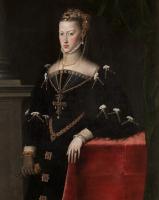
On 19th February 1564 Marie Habsburg Spain was born to Maximilian Habsburg Spain II Holy Roman Emperor [aged 36] and Maria of Spain Holy Roman Empress [aged 35]. On 26th March 1564 she died. Coefficient of inbreeding 10.03%.



On 19th February 1594 Henry Frederick Stewart Prince of Wales was born to King James I of England and Ireland and VI of Scotland [aged 27] and Anne of Denmark Queen Consort Scotland England and Ireland [aged 19] at Stirling Castle [Map]. He was baptised on the 30th August 1594.
Annales of England by John Stow. The 19 of February [1601], Robert Devereux Earle of Essex [aged 35], was arraigned Westminster, and found guilty of high treason, as more at large appearreth in Bookes thereof extant, published by authoritie, wherefore I will forbeare to set downe in this place any further of that matter of his arraignement,


Calendar of the Carew Manuscripts. The 19th of February [1601] the Earl [of Essex] was arraigned (together with Southampton) in Westminster Hall before 25 peers, the Lord Treasurer [aged 66] [Buckhurst] sitting as Lord Steward. At the bar the Earl laboured to extenuate his ftiult, by denying that ever he meant any harm to her Majesty's person, and by pretending that he took arms principally to save himself from my Lord Cobham [aged 37] and Sir Walter Ralegh [aged 48], who (he gave out) should have murdered him in his house on Saturday night. He pretended also an intention he had to have removed me with some others from the Queen, as one who would sell the kingdom of England to the Infant of Spain, with such other hyperbolical inventions. But before he went out of the Hall, when he saw himself condemned, and found that Sir John Davys [aged 40], Sir Ferdinando Gorges [aged 37], Sir Charles Davers, and Sir Christopher Blunt had confessed all the conferences that were held at Drury House, by his directions, for the surprising of the Queen and the Tower, which argued a premeditated treason (which he laboured to have had it prove only a sudden putting himself into strength, and flying into the city for fear of being committed over night when the Lords sent for him, which upon my faith to you, to whom I will not lie, was only to have reproved him for his unlawful assemblies, and to have wislied him to leave the city and retire into the country), he then break out to divers gentlemen in these words, that his confederates wlio now had accused him had been principal inciters of him, and not he of them, even ever since August last, to work his access to the Queen with force.


On 19th February 1608 Francesco IV Gonzaga Duke of Mantua [aged 21] and Margaret of Savoy Vicereine Portugal [aged 18] were married. She the daughter of Charles Emmanuel Savoy I Duke Savoy [aged 46] and Catherine Habsburg Spain Duchess Savoy. He the son of Vincenzo Gonzaga III Duke Mantua [aged 45] and Eleanor de Medici Duchess Mantua [aged 40]. They were third cousins.

Diary of Anne Clifford. 19th February 1617. Upon the 19th I sent Mr Edward's man to London with a letter to my Lord [aged 27] to desire him to come down hither. All this day I spent with Marsh who did write the chronicles of 1607, who went in afterwards to my prayers, desiring God to send me some end of my troubles that my enemies might not still have the upper hand of me.
On 30th December 1623 the fourth Parliament of James I [aged 57] known as the Happy Parliament was summoned.
On 19th February 1624 the Happy Parliament held its first session.
Roland Egerton 1st Baronet [aged 29] was elected MP Wootton Bassett.
Arthur Lake [aged 25] was elected MP Minehead.
James Wriothesley [aged 18] was elected MP Winchester.
Richard Edgecumbe [aged 53] was elected MP Grampound.
On 19th February 1625 Arthur Chichester 1st Baron Chichester [aged 61] died of pleurisy. He was buried in St Nicholas' Church, Carrickfergus, County Antrim.
John Evelyn's Diary. 19th February 1645. I went, this afternoon, to visit my Lord John Somerset [aged 41], brother to the Marquis of Worcester [aged 42] [Note. This reference confusing since Edward Somerset 2nd Marquess Worcester became Marquess Worcester in 1646?], who had his apartment in Palazzo della Cancellaria, belonging to Cardinal Francesco Barberini, as Vice-chancellor of the Church of Rome, and Protector of the English. The building is of the famous architect, Bramante, of incrusted marble, with four ranks of noble lights; the principal entrance is of Fontana's design, and all marble; the portico within sustained by massy columns; on the second peristyle above, the chambers are rarely painted by Salviati and Vasari; and so ample is this palace, that six princes with their families have been received in it at one time, without incommoding each other.
John Evelyn's Diary. 19th February 1656. Went with Dr. Wilkins [aged 42] to see Barlow [aged 30], the famous painter of fowls, beasts, and birds.
The History of William Marshal was commissioned by his son shortly after William’s death in 1219 to celebrate the Marshal’s remarkable life; it is an authentic, contemporary voice. The manuscript was discovered in 1861 by French historian Paul Meyer. Meyer published the manuscript in its original Anglo-French in 1891 in two books. This book is a line by line translation of the first of Meyer’s books; lines 1-10152. Book 1 of the History begins in 1139 and ends in 1194. It describes the events of the Anarchy, the role of William’s father John, John’s marriages, William’s childhood, his role as a hostage at the siege of Newbury, his injury and imprisonment in Poitou where he met Eleanor of Aquitaine and his life as a knight errant. It continues with the accusation against him of an improper relationship with Margaret, wife of Henry the Young King, his exile, and return, the death of Henry the Young King, the rebellion of Richard, the future King Richard I, war with France, the death of King Henry II, and the capture of King Richard, and the rebellion of John, the future King John. It ends with the release of King Richard and the death of John Marshal.
Available at Amazon in eBook and Paperback format.
Samuel Pepys' Diary. 19th February 1660. Sunday. Lord's day. Early in the morning I set my books that I brought home yesterday up in order in my study. Thence forth to Mr. Harper's to drink a draft of purle, [Note. Purl is hot beer flavoured with wormwood or other aromatic herbs. The name is also given to hot beer flavoured with gin, sugar, and ginger.] whither by appointment Monsieur L'Impertinent, who did intend too upon my desire to go along with me to St. Bartholomew's, to hear one Mr. Sparks, but it raining very hard we went to Mr. Gunning's [aged 46] and heard an excellent sermon, and speaking of the character that the Scripture gives of Ann the mother of the blessed Virgin, he did there speak largely in commendation of widowhood, and not as we do to marry two or three wives or husbands, one after another. Here I met with Mr. Moore, and went home with him to dinner, where he told me the discourse that happened between the secluded members and the members of the House, before Monk [aged 51] last Friday. How the secluded said, that they did not intend by coming in to express revenge upon these men, but only to meet and dissolve themselves, and only to issue writs for a free Parliament. He told me how Haselrigge [aged 59] was afraid to have the candle carried before him, for fear that the people seeing him, would do him hurt; and that he is afraid to appear in the City. That there is great likelihood that the secluded members will come in, and so Mr. Crew [aged 62] and my Lord are likely to be great men, at which I was very glad. After diner there was many secluded members come in to Mr. Crew, which, it being the Lord's day, did make Mr. Moore believe that there was something extraordinary in the business.


Samuel Pepys' Diary. 19th February 1661. By coach to Whitehall with Colonel Slingsby [aged 50] (carrying Mrs. Turner [aged 38] with us) and there he and I up into the house, where we met with Sir G. Carteret [aged 51]: who afterwards, with the Duke of York [aged 27], my Lord Sandwich [aged 35], and others, went into a private room to consult: and we were a little troubled that we were not called in with the rest. But I do believe it was upon something very private. We staid walking in the gallery; where we met with Mr. Slingsby, that was formerly a great friend of Mons. Blondeau, who showed me the stamps of the King's new coyne; which is strange to see, how good they are in the stamp and bad in the money, for lack of skill to make them. But he says Blondeau will shortly come over, and then we shall have it better, and the best in the world1.
Note 1. Peter Blondeau, medallist, was invited to London from Paris in 1649, and appointed by the Council of State to coin their money; but the moneyers succeeded in driving him out of the country. Soon after the Restoration he returned, and was appointed engineer to the mint.


Samuel Pepys' Diary. 19th February 1664. After dinner I to the office, where we should have met upon business extraordinary, but business not coming we broke up, and I thither again and took my wife; and taking a coach, went to visit my Ladys Jemimah and Paulina Montagu, and Mrs. Elizabeth Pickering [aged 22], whom we find at their father's new house1 in Lincolne's Inn Fields; but the house all in dirt. They received us well enough; but I did not endeavour to carry myself over familiarly with them; and so after a little stay, there coming in presently after us my Lady Aberguenny [aged 34] and other ladies, we back again by coach, and visited, my wife did, my she cozen Scott, who is very ill still, and thence to Jaggard's again, where a very good supper and great store of plate; and above all after supper Mrs. Jaggard did at my entreaty play on the Vyall, but so well as I did not think any woman in England could and but few Maisters, I must confess it did mightily surprise me, though I knew heretofore that she could play, but little thought so well.
Note 1. The Earl of Sandwich had just moved to a house in Lincoln's Inn Fields. Elizabeth Dickering, who afterwards married John Creed, was niece to Lord Sandwich [aged 38].
Samuel Pepys' Diary. 19th February 1666. Thence hoping to find my Lord Sandwich [aged 40], away by coach to my Chancellor's [aged 57], but missed him, and so home and to office, and then to supper and my Journall, and to bed.


Samuel Pepys' Diary. 19th February 1666. Thence walked with Fenn down to White Hall, and there saw the Queene [aged 56] at cards with many ladies, but none of our beauties were there. But glad I was to see the Queene so well, who looks prettily; and methinks hath more life than before, since it is confessed of all that she miscarryed lately; Dr. Clerke telling me yesterday at White Hall that he had the membranes and other vessels in his hands which she voided, and were perfect as ever woman's was that bore a child.


Samuel Pepys' Diary. 19th February 1666. So home. I find my wife gone out to Hales, her Paynter's [aged 57], and I after a little dinner do follow her, and there do find him at worke, and with great content I do see it will be a very brave picture. Left her there, and I to my Lord Treasurer's [aged 58], where Sir G. Carteret [aged 56] and Sir J. Minnes [aged 66] met me, and before my Lord Treasurer and Duke of Albemarle [aged 57] the state of our Navy debts were laid open, being very great, and their want of money to answer them openly professed, there being but £1,500,000 to answer a certaine expense and debt of £2,300,000.


Samuel Pepys' Diary. 19th February 1666. Up, and by coach to my Lord Sandwich's [aged 40], but he was gone out. So I to White Hall, and there waited on the Duke of Yorke [aged 32] with some of the rest of our brethren, and thence back again to my Lord's, to see my Lord Hinchingbrooke [aged 18], which I did, and I am mightily out of countenance in my great expectation of him by others' report, though he is indeed a pretty gentleman, yet nothing what I took him for, methinks, either as to person or discourse discovered to me, but I must try him more before I go too far in censuring.
Samuel Pepys' Diary. 19th February 1668. After dinner my wife out with Deb., to buy some things against my sister's wedding, and I to the office to write fair my business I did in the morning, and in the evening to White Hall, where I find Sir W. Coventry [aged 40] all alone, a great while with the Duke of York [aged 34], in the King's drawing-room, they two talking together all alone, which did mightily please me. Then I did get Sir W. Coventry (the Duke of York being gone) aside, and there read over my paper, which he liked and corrected, and tells me it will be hard to escape, though the thing be never so fair, to have it voted a miscarriage; but did advise me and my Lord Brouncker [aged 48], who coming by did join with us, to prepare some members in it, which we shall do. Here I do hear how La Roche [aged 47], a French captain, who was once prisoner here, being with his ship at Plymouth, Devon [Map], hath played some freakes there, for which his men being beat out of the town, he hath put up his flag of defiance, and also, somewhere thereabout, did land with his men, and go a mile into the country, and did some pranks, which sounds pretty odd, to our disgrace, but we are in condition now to bear any thing. But, blessed be God! all the Court is full of the good news of my Lord Sandwich's [aged 42] having made a peace between Spain and Portugall, which is mighty great news, and, above all, to my Lord's honour, more than any thing he ever did; and yet I do fear it will not prevail to secure him in Parliament against incivilities there.

John Evelyn's Diary. 19th February 1671. This day dined with me Mr. Surveyor, Dr. Christopher Wren [aged 47], and Mr. Pepys [aged 37], Clerk of the Acts, two extraordinary, ingenious, and knowing persons, and other friends. I carried them to see the piece of carving which I had recommended to the King [aged 40]. Note. Those of Grinling Gibbons [aged 22] - see John Evelyn's Diary 18th January 1671.


John Evelyn's Diary. 12th February 1683. This morning I received the news of the death of my father-in-law, Sir Richard Browne [aged 78], Knt. and Bart., who died at my house at Sayes Court [Map] this day at ten in the morning, after he had labored under the gout and dropsy for nearly six months, in the 78th year of his age. The funeral was solemnized on the 19th at Deptford, with as much decency as the dignity of the person, and our relation to him, required; there being invited the Bishop of Rochester [aged 58], several noblemen, knights, and all the fraternity of the Trinity House, of which he had been Master, and others of the country. The vicar preached a short but proper discourse on Psalm xxxix. 10, on the frailty of our mortal condition, concluding with an ample and well-deserved eulogy on the defunct, relating to his honorable birth and ancestors, education, learning in Greek and Latin, modern languages, travels, public employments, signal loyalty, character abroad, and particularly the honor of supporting the Church of England in its public worship during its persecution by the late rebels' usurpation and regicide, by the suffrages of divers Bishops, Doctors of the Church, and others, who found such an asylum in his house and family at Paris, that in their disputes with the Papists (then triumphing over it as utterly lost) they used to argue for its visibility and existence from Sir R. Browne's chapel and assembly there. Then he spoke of his great and loyal sufferings during thirteen years' exile with his present Majesty [aged 52], his return with him in the signal year 1660; his honorable employment at home, his timely Recess to recollect himself, his great age, infirmities, and death.
Abbot John Whethamstede’s Chronicle of the Abbey of St Albans
Abbot John Whethamstede's Register aka Chronicle of his second term at the Abbey of St Albans, 1451-1461, is a remarkable text that describes his first-hand experience of the beginning of the Wars of the Roses including the First and Second Battles of St Albans, 1455 and 1461, respectively, their cause, and their consequences, not least on the Abbey itself. His text also includes Loveday, Blore Heath, Northampton, the Act of Accord, Wakefield, and Towton, and ends with the Coronation of King Edward IV. In addition to the events of the Wars of the Roses, Abbot John, or his scribes who wrote the Chronicle, include details in the life of the Abbey such as charters, letters, land exchanges, visits by legates, and disputes, which provide a rich insight into the day-to-day life of the Abbey, and the challenges faced by its Abbot.
Available at Amazon in eBook and Paperback format.
John Evelyn's Diary. 19th February 1685. The Lord Treasurer and ye other new Officers were sworne at the Chancery Barr and the Exchequer. The late King [deceased] having the revenue of Excise, Costoms, and other late duties granted for his life only, they were now farmed and lett to severall persons, upon an opinion that the late King might lett them for three yeares after his decease; some of the old Commissioners refus'd to act. The lease was made but the day before the King died; the major part of the Judges (but as some think not the best Lawyers) pronounc'd it legal, but four dissented. The Clerk of the Closet [aged 50] had shut up the late King's private Oratorie next the Privy-chamber above, but the King caus'd it to be open'd againe, and that prayers should be said as formerly.
John Evelyn's Diary. 19th February 1686. Many bloody and notorious duels were fought about this time. The Duke of Grafton [aged 22] kill'd Mr. Stanley, brother to the Earle of Shrewsbury [aged 25], indeede upon an almost insufferable provocation. It is to be hop'd his Ma* [aged 52] will at last severely remedy this unchristian custome. Lord Sunderland [aged 44] was now Secretary of State, President of the Council, and Premier Minister.


John Evelyn's Diary. 19th February 1690. I dined with the Marquis of Carmarthen [aged 57] (late Lord Danby), where was Lieutenant-General Douglas [aged 45], a very considerate and sober commander, going for Ireland. He related to us the exceeding neglect of the English soldiers, suffering severely for want of clothes and necessaries this winter, exceedingly magnifying their courage and bravery during all their hardships. There dined also Lord Lucas, Lieutenant of the Tower [aged 40], and the Bishop of St. Asaph [aged 62]. The Privy Seal was again put in commission, Mr. Cheny (who married my kinswoman, Mrs. Pierrepoint), Sir Thomas Knatchbull [aged 50], and Sir P. W. Pultney. The imprudence of both sexes was now become so great and universal, persons of all ranks keeping their courtesans publicly, that the King had lately directed a letter to the Bishops to order their clergy to preach against that sin, swearing, etc., and to put the ecclesiastical laws in execution without any indulgence.
On 19th February 1690 Charles Montagu 1st Duke Manchester [aged 28] and Doddington Greville Duchess Manchester [aged 17] were married. She by marriage Countess Manchester. He the son of Robert Montagu 3rd Earl Manchester and Anne Yelverton Countess Manchester [aged 59].
John Evelyn's Diary. 19th February 1693. The Bishop of Lincoln [aged 56] preached in the afternoon at the Tabernacle near Golden Square, set up by him. Proposals of a marriage between Mr. Draper and my daughter Susanna [aged 24]. Hitherto an exceedingly warm winter, such as has seldom been known, and portending an unprosperous spring as to the fruits of the earth; our climate requires more cold and winterly weather. The dreadful and astonishing earthquake swallowing up Catania, and other famous and ancient cities, with more than 100,000 persons in Sicily [Map], on 11th January last, came now to be reported among us.
On 19th February 1698 William Fitzroy 3rd Duke Cleveland 2nd Duke Southampton was born to Charles Fitzroy 1st Duke Southampton 2nd Duke Cleveland [aged 35] and Anne Pulteney Duchess Southampton Duchess of Cleveland [aged 34]. He a grandson of King Charles II of England Scotland and Ireland. He married 1731 his fifth cousin Henrietta Finch Duchess of Cleveland Duchess Southampton, daughter of Daniel Finch 2nd Earl Nottingham 7th Earl Winchilsea and Anne Hatton Countess Nottingham and Winchelsea.
On 19th February 1712 Arthur Devis was born to Anthony Devis at Preston, Lancashire [Map]. He married 20th July 1742 Elizabeth Faulkener and had issue.

Minutes of the Society of Antiquaries. 19th February 1718. It is proposed and agreed the 3rd time to engrave RII picture in Westminster Abbey and Mr Director Talman [aged 40] is desired and authorised to have a drawing tken of it with all convenient speed, in order thereto.
On 19th February 1721 Francis Scott was born to Francis Scott 2nd Duke Buccleuch [aged 26] and Jane Douglas. He a great x 2 grandson of King Charles II of England Scotland and Ireland. Coefficient of inbreeding 1.65%. He married 2nd October 1742 his fourth cousin once removed Caroline Campbell 1st Baroness Greenwich, daughter of John Campbell 2nd Duke Argyll and Jane Warburton Duchess of Argyll, and had issue.

On 10th February 1780 Samuel Egerton [aged 68] died. On 19th February 1780 he was buried at St Mary's Church, Rostherne, Tatton [Map]. Monument sculpted by John "The Elder" Bacon [aged 39]. Figures representing Hope and Patience.
The monument inscription describes those also buried in the vault: John Egerton, his wife Elizabeth Barbour buried 10th February 1743, her mother Elizabeth Hill [aged 85] buried 17th April 1713 and John and Elizabeth's daughter-in-law Beatrix Copley [aged 22] buried 1st May 1755.


Anne Boleyn. Her Life as told by Lancelot de Carle's 1536 Letter.
In 1536, two weeks after the execution of Anne Boleyn, her brother George and four others, Lancelot du Carle, wrote an extraordinary letter that described Anne's life, and her trial and execution, to which he was a witness. This book presents a new translation of that letter, with additional material from other contemporary sources such as Letters, Hall's and Wriothesley's Chronicles, the pamphlets of Wynkyn the Worde, the Memorial of George Constantyne, the Portuguese Letter and the Baga de Secrets, all of which are provided in Appendices.
Available at Amazon in eBook and Paperback format.
On 19th February 1804 Philip Yorke [aged 60] died. Monument in St Deiniol & St Marcella Church, Marchwiel [Map] sculpted by Richard Westmacott [aged 28].
Philip Yorke: On 30th July 1743 Philip Yorke and Elizabeth Cust were married. On 30th July 1743 he was born to Simon Yorke at Erddig, Wrexham.


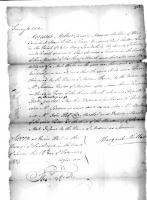
Surrey to Wit. Margaret Millar [aged 43] formerley Margaret Coghlan of New Cavendish Street Portland Place but now of Coal Harbour Lane in the Parish of Saint Mary Lambeth in the County of Surrey make the oath and saith that she was a Prisoner in the Custody of the Marshal of the King's Bench and that she was there delivered of a Male Child in the year one thousand seven hundred and ninety and that the said child was there Christened by the Name Andrew Hervey [aged 15] by the Reverend Mr Seddons Rector of Stratford upon Anon then a Prisoner in the said Prison of the King's Bench where no Register of Births [or Christenings] are kept. And this Deponent further saith That the said Mr Seddons is since dead as are also Mr. Walther and Mr. John Hill the Marshal and Deputy Marhsal of th said Prison at the time of the Christening of the [?] Male Infant by the Name of Andrew as aforesaid. Sworn at the Prison Hall in the Borough of Southwark in theCounty of Surrey this 19th day of February 1806 before me Thos Hiske.
Andrew Hervey: On 25th June 1790 he was born to Andrew Barnard and Margaret Maria Moncrieffe. On 14th June 1862 Andrew Hervey died.
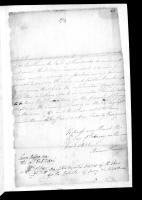
I A Hervey [aged 15] presented for the appointment of [?] by his Excellency the Earl of Hardwicke [aged 48] do make oath and swear that I have caused search to be made for a Parish register whereby to ascertain my age but am unable to produce the same and further I make oath and swear that from the information of my parents [Andrew Barnard [aged 49] and Margaret Maria Moncrieffe [aged 43]] and other relations which information I verily believe to be true that I was born in the parish of St George Fields in the County of Surrey on the 25th Day Sept in the year 1790 and that I am not at this time under the age of fifteen or above Twenty Two years. Witness my Hand this 19th Day of February in the our Lord 1806. Andrew Harvey. Sworn before me this 19th Feb 1806 [Undecipherable Signature] of His Majesty's Justice of the Peace for the Counter of Surrey and Middlesex.


On 19th February 1811 William Alexander Archibald Hamilton 11th Duke Hamilton 8th Duke Brandon was born to Alexander Hamilton 10th Duke Hamilton 7th Duke Brandon [aged 43] and Susanna Euphemia Beckford Duchess Hamilton Duchess Brandon [aged 24].

The Gentleman's Magazine Volume 86. Feb. 19 [1816]. At Dalrymple's, Portman square, Louisa Grace, Duchess of St. Alban's [aged 39]; and her infant son the Duke of St. Alban's. Her Grace, who had been for some time in a delicate state of health, died three hours after her child. This interesting lady, whose premature death has caused so much concern, was third dau. of the late J. Manners, esq. eldest son of the late Lord W. Manners, uncle to the late Duke of Rutland, by Lady Louisa Tollemache [aged 70], daughter to the late [Lionel Tollemache 4th Earl Dysart], and sister to the present [Wilbrahim Tollemache 6th Earl Dysart [aged 76]] Earl of Dysart, The Duchess was sister to Sir W. Manners [aged 49], bart. M. P. and to J. Manners [aged 48], esq. married to the Duchess of Roxburgh, and also sister to Lady Heathcote, Mrs. Dalrymple, and the late Mrs. Duff. She was married to the Duke of St. Alban's in August 1802, and continued one of the brightest stars in the fashionable hemisphere until the birth of her son during the last year; when all the pleasure was forgotten in her devotion to her domestic circle, which was only disturbed by the death of his Grace, her late husband. Their remains were interred at Hanwell on the 11th inst, — The title and estates Jevolve on Lord Wm. Beauclerc [aged 49], brother-in-law to the deceased Duchess.
On 19th February 1816 Louisa Grace Manners Duchess St Albans [aged 39] died. The same day her son Aubrey Beauclerk 7th Duke St Albans died. His uncle William [aged 49] succeeded 8th Duke St Albans, 8th Earl Burford, 8th Baron Heddington, 5th Baron Vere of Hanworth in Middlesex. Maria Janetta Nelthorpe Duchess St Albans by marriage Duchess St Albans. Both at the home of her sister Laura Manners Countess Stair and her husband John Dalrymple 7th Earl of Stair [aged 31] at Portman Square Marylebone.
The Diary of George Price Boyce 1858. 19th February 1858. February 19. Solomon's [aged 34] weekly re-union. Tea and fish, wine and cake. Much interested with a book of sketches by young Simeon [aged 17].


On 19th February 1858 Herbrand Arthur Russell 11th Duke Bedford was born to Francis Russell 9th Duke Bedford [aged 38] and Elizabeth Sackville-West Duchess Bedford [aged 39]. He married 31st January 1888 Mary Caurroy Tribe Duchess Bedford and had issue.
The Times. 20th February 1891. We regret to announce that EARL BEAUCHAMP [deceased], Lord Lieutenant of Worcestershire, died suddenly yesterday at Madresfield Court, his Worcestershire seat. He was taken ill while at luncheon, after a journey to a neighbouring town, and died before medical aid could be obtained, the cause of death being heart disease. His death will be felt as a serious loss, both in the English Church and in the Conservative party. A strong and moderately "high" Churchman, he took a leading position in his own diocese and in the Church at large in the promotion and defence of Anglican interests and; though he did not come prominently before the public as a politician, he exercised for many years considerable influence in the councils of the Tory' leaders. Frederic Lygon was the second son of the fourth Earl Beauchamp by Lady Susan Caroline Eliot, daughter of the secoud earl of St. Germans. He was born in 1830, and was educated at Eton and Christ Church, Oxford. In 1852 he was elected a Fellow of All Souls, and the received tho degree of D.C.L. from his University in 1870. As the Hon. Frederick Lygon, he entered Parliament as member for Tewkesbury in 1857, for which place be sat till 1863, when be was elected for West Worcestershire. At his elder brother's death, without issue, in 1866, he succeeded to the peerage as sixth Earl. Both as a member of the House of Commons and as a peer he hold posts in Conservative Governments. In 1859 he was for a short time a Lord of the Admiralty. During the whole of Mr. Disraeli's Ministry which lasted from 1874 to 1880 he was Lord Steward of the Queen's Household. On the return of the Conservatives to power in 1885 he ras Paymaster-General of the Forces for the few months that the Government lasted, and he returned the same post when the general election put an end to Mr. Gladstone's short-lived Administration in 1886. He did not, however, remain in the Goverornent for a year, as he resigned in June, 1887. Since 1876 he had been Lord Lieutenant of Worcestershire. The deceased earl was twice married, 1st, in 1868, to Lady Mary Catharine, only daughter of the sixth Earl Stanhope (she died in 1876), and, secondly, to Lady Emily Annora Charlotte [aged 37], daughter of the third Earl Mdanvers [aged 66]. He is succeeded by his eldest son, William, Viscount Elmley, who was born in 1872.


The Gallipoli Campaign was a military campaign in the First World War on the Gallipoli peninsula (now Gelibolu) from 19th February 1915 to 9 January 1916.
On 19th February 1926 Francis Derwent Wood [aged 54] died.

On 19th February 1960 Prince Andrew Windsor 1st Duke of York was born to Philip Mountbatten Duke Edinburgh [aged 38] and Queen Elizabeth II of the United Kingdom [aged 33] at Belgian Suite Buckingham Palace. He was baptised on 8th April 1960 by Archbishop Geoffrey Fisher [aged 72] at the Music Room, Buckingham Palace.
The History of William Marshal was commissioned by his son shortly after William’s death in 1219 to celebrate the Marshal’s remarkable life; it is an authentic, contemporary voice. The manuscript was discovered in 1861 by French historian Paul Meyer. Meyer published the manuscript in its original Anglo-French in 1891 in two books. This book is a line by line translation of the first of Meyer’s books; lines 1-10152. Book 1 of the History begins in 1139 and ends in 1194. It describes the events of the Anarchy, the role of William’s father John, John’s marriages, William’s childhood, his role as a hostage at the siege of Newbury, his injury and imprisonment in Poitou where he met Eleanor of Aquitaine and his life as a knight errant. It continues with the accusation against him of an improper relationship with Margaret, wife of Henry the Young King, his exile, and return, the death of Henry the Young King, the rebellion of Richard, the future King Richard I, war with France, the death of King Henry II, and the capture of King Richard, and the rebellion of John, the future King John. It ends with the release of King Richard and the death of John Marshal.
Available at Amazon in eBook and Paperback format.

On 19th February 1966 Winifred Agnes Lloyd Viscountess Leverhulme [aged 66] died. She was buried at Christ Church, Port Sunlight [Map].
Winifred Agnes Lloyd Viscountess Leverhulme: On 14th July 1899 she was born. On 20th January 1937 William Lever 2nd Viscount Leverhulme and she were married. She by marriage Viscountess Leverhulme of the Western Isles.
On 19th February 1979 Robert George Grosvenor 5th Duke Westminster [aged 68] died. His son Gerald [aged 27] succeeded 6th Duke Westminster, 8th Marquess Westminster, 9th Earl Grosvenor, 15th Baronet Grosvenor of Eaton in Cheshire. Natalia Phillips Duchess of Westminster [aged 19] by marriage Duchess Westminster.
On 19th February 1990 Frances Laura Charteris Duchess of Marlborough [aged 74] died at Portland Towers Marylebone.
On 19th February 1564 Marie Habsburg Spain was born to Maximilian Habsburg Spain II Holy Roman Emperor [aged 36] and Maria of Spain Holy Roman Empress [aged 35]. On 26th March 1564 she died. Coefficient of inbreeding 10.03%.
On 19th February 1594 Henry Frederick Stewart Prince of Wales was born to King James I of England and Ireland and VI of Scotland [aged 27] and Anne of Denmark Queen Consort Scotland England and Ireland [aged 19] at Stirling Castle [Map]. He was baptised on the 30th August 1594.
On 19th February 1674 Fortescue Tynte was born to Halswell Tynte 1st Baronet [aged 25] and Grace Fortescue Lady Tynte. He was baptised on 19th February 1674 at the

On 19th February 1674 James Butler was born to Richard Butler 1st Earl Arran [aged 34] and Dorothy Ferrers Countess Arran [aged 19]. He died aged two in 1676.
On 19th February 1698 William Fitzroy 3rd Duke Cleveland 2nd Duke Southampton was born to Charles Fitzroy 1st Duke Southampton 2nd Duke Cleveland [aged 35] and Anne Pulteney Duchess Southampton Duchess of Cleveland [aged 34]. He a grandson of King Charles II of England Scotland and Ireland. He married 1731 his fifth cousin Henrietta Finch Duchess of Cleveland Duchess Southampton, daughter of Daniel Finch 2nd Earl Nottingham 7th Earl Winchilsea and Anne Hatton Countess Nottingham and Winchelsea.
On 19th February 1712 Arthur Devis was born to Anthony Devis at Preston, Lancashire [Map]. He married 20th July 1742 Elizabeth Faulkener and had issue.
On 19th February 1721 Francis Scott was born to Francis Scott 2nd Duke Buccleuch [aged 26] and Jane Douglas. He a great x 2 grandson of King Charles II of England Scotland and Ireland. Coefficient of inbreeding 1.65%. He married 2nd October 1742 his fourth cousin once removed Caroline Campbell 1st Baroness Greenwich, daughter of John Campbell 2nd Duke Argyll and Jane Warburton Duchess of Argyll, and had issue.
On 19th February 1740 Edward Devereux 12th Viscount Hereford was born to Edward Devereux 11th Viscount Hereford [aged 30] and Catherine Mytton. He married 2nd June 1774 Henrietta Charlotte Tracy Keck Viscountess Hereford.
On 19th February 1742 William Norton 2nd Baron Grantley was born to Fletcher Norton 1st Baron Grantley [aged 25] and Grace Chapple Baroness Grantley.
On 19th February 1764 Mary Sandys Marchioness Downshire was born to Martin Sandes [aged 34] and Mary Trumbull. She married 29th June 1786 Arthur Hill 2nd Marquess Downshire, son of Wills Hill 1st Marquess Downshire and Margaretta Fitzgerald, and had issue.
On 19th February 1765 William Cave-Browne-Cave 9th Baronet was born to John Cave-Browne. He married 4th January 1793 Louisa Wilmot Lady Cave, daughter of Robert Mead Wilmot 2nd Baronet and Mary Woolett, and had issue.
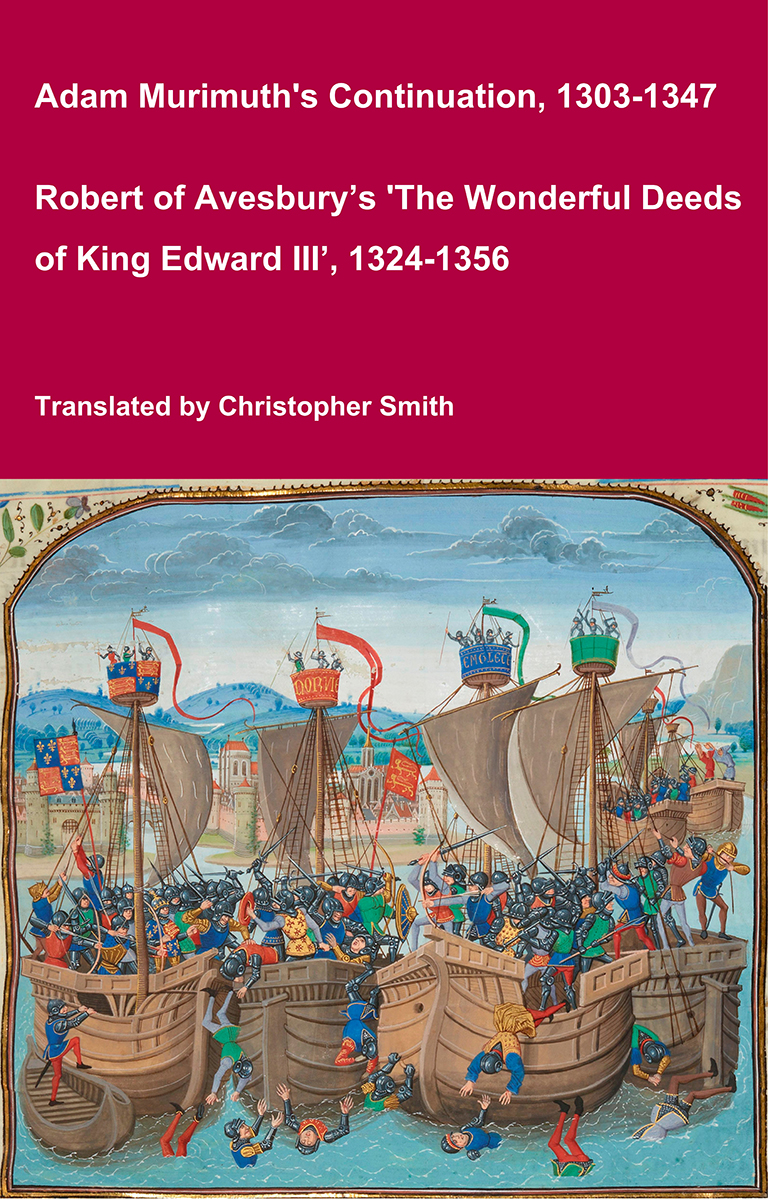
Adam Murimuth's Continuation and Robert of Avesbury’s 'The Wonderful Deeds of King Edward III'
This volume brings together two of the most important contemporary chronicles for the reign of Edward III and the opening phases of the Hundred Years’ War. Written in Latin by English clerical observers, these texts provide a vivid and authoritative window into the political, diplomatic, and military history of fourteenth-century England and its continental ambitions. Adam Murimuth Continuatio's Chronicarum continues an earlier chronicle into the mid-fourteenth century, offering concise but valuable notices on royal policy, foreign relations, and ecclesiastical affairs. Its annalistic structure makes it especially useful for establishing chronology and tracing the development of events year by year. Complementing it, Robert of Avesbury’s De gestis mirabilibus regis Edwardi tertii is a rich documentary chronicle preserving letters, treaties, and official records alongside narrative passages. It is an indispensable source for understanding Edward III’s claim to the French crown, the conduct of war, and the mechanisms of medieval diplomacy. Together, these works offer scholars, students, and enthusiasts a reliable and unembellished account of a transformative period in English and European history. Essential for anyone interested in medieval chronicles, the Hundred Years’ War, or the reign of Edward III.
Available at Amazon in eBook and Paperback format.
On 19th February 1777 Vice-Admiral Henry Hotham was born to Beaumont Hotham 2nd Baron Hotham [aged 39]. He married before 3rd August 1824 Frances Anne Juliana Rous, daughter of John Rous 1st Earl Stradbroke and Juliana Warter Wilson, and had issue.
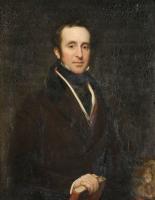
On 19th February 1792 Roderick Impey Murchison 1st Baronet was born.
On 19th February 1798 Colonel Allan Napier MacNab 1st Baronet was born.
On 19th February 1811 William Alexander Archibald Hamilton 11th Duke Hamilton 8th Duke Brandon was born to Alexander Hamilton 10th Duke Hamilton 7th Duke Brandon [aged 43] and Susanna Euphemia Beckford Duchess Hamilton Duchess Brandon [aged 24].
On 19th February 1820 Rowland Winn 1st Baron St Oswald was born to Charles Williamson aka Winn [aged 24] and Priscilla Strickland [aged 23]. He married 21st March 1854 Harriet Dumaresq Baroness St Owsald and had issue.
On 19th February 1822 Robert Lydston Newman 2nd Baronet was born to Robert Newman 1st Baronet [aged 45].
On 19th February 1828 John Dugdale Astley 3rd Baronet was born to Francis Dugdale Astley 2nd Baronet [aged 23] and Emma Dorothea Lethbridge Lady Astley. He married 22nd May 1858 Eleanor Blanche Mary Corbett and had issue.
On 19th February 1842 Edward Scott 5th Baronet was born to Claude Edward Scott 3rd Baronet [aged 38]. He married 11th August 1865 Emilie Packe Lady Scott and had issue.

On 19th February 1844 Bishop Edward Stuart Talbot was born to John Chetwynd-Talbot [aged 37] and Caroline Jane Stuart-Wortley [aged 34]. He married 29th June 1870 Lavinia Lyttelton, daughter of George William Lyttelton 4th Baron Lyttelton and Mary Glynne Lady Lyttelton.
On 19th February 1858 Herbrand Arthur Russell 11th Duke Bedford was born to Francis Russell 9th Duke Bedford [aged 38] and Elizabeth Sackville-West Duchess Bedford [aged 39]. He married 31st January 1888 Mary Caurroy Tribe Duchess Bedford and had issue.
On 19th February 1868 Seymour Berkeley Portman 6th Viscount Portman was born to William Henry Portman 2nd Viscount Portman [aged 38] and Mary Selina Wentworth-Fitzwilliam Viscountess Portman [aged 32].
Henrici Quinti, Angliæ Regis, Gesta, is a first-hand account of the Agincourt Campaign, and subsequent events to his death in 1422. The author of the first part was a Chaplain in King Henry's retinue who was present from King Henry's departure at Southampton in 1415, at the siege of Harfleur, the battle of Agincourt, and the celebrations on King Henry's return to London. The second part, by another writer, relates the events that took place including the negotiations at Troye, Henry's marriage and his death in 1422.
Available at Amazon in eBook and Paperback format.

On 19th February 1869 Oliver Russell 2nd Baron Ampthill was born to Odo Russell 1st Baron Ampthill [aged 39] and Emily Theresa Villiers Baroness Ampthill [aged 26]. He married 6th October 1894 his fourth cousin once removed Margaret Lygon Baroness Ampthill, daughter of Frederick Lygon 6th Earl Beauchamp and Mary Catherine Stanhope Countess Beauchamp, and had issue.
On 19th February 1916 John Patrick Edward Chandos Henniker-Major 8th Baron Henniker was born to John Ernest de Grey Henniker-Major 7th Baron Henniker [aged 33].
On 19th February 1917 Jestyn Reginald Austin Plantagenet Philipps 2nd Viscount St Davids was born to John Wynford Philipps 1st Viscount St Davids [aged 56] and Elizabeth Frances Abney-Hastings Viscountess St Davids [aged 32].
On 19th February 1919 Lieutenant Edward John Anson was born to Thomas Edward Anson 4th Earl Lichfield [aged 35] and Evelyn Maud Keppel Countess Lichfield [aged 31].
On 19th February 1960 Prince Andrew Windsor 1st Duke of York was born to Philip Mountbatten Duke Edinburgh [aged 38] and Queen Elizabeth II of the United Kingdom [aged 33] at Belgian Suite Buckingham Palace. He was baptised on 8th April 1960 by Archbishop Geoffrey Fisher [aged 72] at the Music Room, Buckingham Palace.
On 19th February 1960 Theodore Jonathan Brinckman 7th Baronet was born to Theodore George Roderick Brinckman 6th Baronet [aged 27].
On 19th February 1963 Ferguson Arthur James Blakiston 9th Baronet was born to Arthur Norman Hunter Blakiston 8th Baronet [aged 63].
On 19th February 1559 Archbishop Edwin Sandes [aged 40] and Cecily Wilford were married.
On 19th February 1608 Francesco IV Gonzaga Duke of Mantua [aged 21] and Margaret of Savoy Vicereine Portugal [aged 18] were married. She the daughter of Charles Emmanuel Savoy I Duke Savoy [aged 46] and Catherine Habsburg Spain Duchess Savoy. He the son of Vincenzo Gonzaga III Duke Mantua [aged 45] and Eleanor de Medici Duchess Mantua [aged 40]. They were third cousins.
On 19th February 1666 Hugh Cholmley 4th Baronet [aged 33] and Anne Compton Lady Rushout [aged 29] were married. She by marriage Lady Cholmley of Whitby in Yorkshire. She the daughter of Spencer Compton 2nd Earl of Northampton and Mary Beaumont Countess of Northampton.
On 19th February 1672 Theophilus Hastings 7th Earl Huntingdon [aged 21] and Elizabeth Lewis Countess Huntingdon [aged 18] were married. She by marriage Countess Huntingdon. He the son of Ferdinando Hastings 6th Earl Huntingdon and Lucy Davies Countess Huntingdon [aged 59].
The True Chronicles of Jean le Bel Volume 1 Chapters 1-60 1307-1342
The True Chronicles of Jean le Bel offer one of the most vivid and immediate accounts of 14th-century Europe, written by a knight who lived through the events he describes, and experienced some of them first hand. Covering the early decades of the Hundred Years’ War, this remarkable chronicle follows the campaigns of Edward III of England, the politics of France and the Low Countries, and the shifting alliances that shaped medieval warfare. Unlike later historians, Jean le Bel writes with a strong sense of eyewitness authenticity, drawing on personal experience and the testimony of fellow soldiers. His narrative captures not only battles and sieges, but also the realities of military life, diplomacy, and the ideals of chivalry that governed noble society. A key source for Jean Froissart, Le Bel’s chronicle stands on its own as a compelling and insightful work, at once historical record and literary achievement. This translation builds on the 1905 edition published in French by Jules Viard, adding extensive translations from other sources Rymer's Fœdera, the Chronicles of Adam Murimuth, William Nangis, Walter of Guisborough, a Bourgeois of Valenciennes, Geoffrey le Baker of Swinbroke and Richard Lescot to enrich the original text and Viard's notes.
Available at Amazon in eBook and Paperback format.
On 19th February 1690 Charles Montagu 1st Duke Manchester [aged 28] and Doddington Greville Duchess Manchester [aged 17] were married. She by marriage Countess Manchester. He the son of Robert Montagu 3rd Earl Manchester and Anne Yelverton Countess Manchester [aged 59].
On 19th February 1716 Nathaniel Curzon 4th Baronet [aged 40] and Mary Assheton Baroness Curzon [aged 22] were married at Middleton, Lancashire.


On 19th February 1774 William Henry Lyttelton 1st Baron Lyttelton [aged 49] and Caroline Bristow Baroness Lyttelton [aged 28] were married. The difference in their ages was 21 years.

On 19th February 1846 George Barrington 7th Viscount Barrington [aged 22] and Isabel Elizabeth Morritt Viscountess Barrington [aged 19] were married.
On 19th February 1944 Charles Walter James Dormer 15th Baron Dormer [aged 40] and Maureen Therese Josephine Noel Baroness Dormer [aged 26] were married. She by marriage Baroness Dormer of Wyng in Buckinghamshire. She the daughter of Arthur Noel 4th Earl of Gainsborough and Alice Mary Eyre Countess Gainsborough.
On 3rd February 1388 the Merciless Parliament commenced. It ended on 4th June 1388. Its primary function was to prosecute members of the Court of King Richard II of England [aged 21]. The term "Merciless" is contemporary having been coined by the chronicler Henry Knighton.
Michael de la Pole 1st Earl Suffolk [aged 58] was sentenced to be hanged, drawn and quartered in his absence. He had escaped to France.
Archbishop Alexander Neville [aged 47] was found guilty of treason and it was determined to imprison him for life in Rochester Castle, Kent [Map]. He fled to Louvain [Map] where he became a parish priest for the remainder of his life.
On 19th February 1388 Robert Tresilian was hanged naked and his throat cut. See Chronicle of Adam of Usk.
On 25th March 1388 Nicholas Brembre was hanged. He was buried at Christ Church, Greyfriars [Map].
On 5th May 1388 Simon Burley [aged 48] was executed despite the protestations of his friend Edmund of Langley 1st Duke of York [aged 46]. See Chronicle of Adam of Usk.
On 12th May 1388 John Beauchamp 1st Baron Beauchamp [aged 69] was beheaded at Tower Hill [Map]. He was buried at Worcester Cathedral [Map]. Baron Beauchamp of Kidderminster forfeit.
Robert de Vere 1st Duke Ireland [aged 26] was attainted.
On 19th February 1408 Thomas Rokeby's [aged 28] force of Yorkshire levies defeated the Percy army during the Battle of Bramham Moor bringing to an end the Percy rebellion.
Henry Percy 1st Earl of Northumberland [aged 66] was killed. His body was afterwards hanged, drawn and quartered, his head being sent to London bridge and his quarters to diverse places. Possibly captured hanged, drawn and quartered after the battle. Earl of Northumberland, Baron Percy of Alnwick and Baron Percy of Topcliffe forfeit.
Thomas Bardolf 5th Baron Bardolf [aged 38] was killed. Baron Bardolf of Wormegay in Norfolk had been forfeited in 1406 when Thomas Bardolf 5th Baron Bardolf was declared a traitor. It was restored on the 19th of July 1408 to his two daughters Anne Bardolf Baroness Cobham Sternborough [aged 18] and Joan Bardolf [aged 17] and their husbands William Clifford [aged 33] and William Phelip [aged 25] respectively.
The Abbot of Hailes Abbey [Map] was executed following the battle since he was wearing armour. Bishop Griffin Yonge [aged 38], Bishop of Bangor, was captured, but wearing his vestments, he avoided execution.
On 19th February 1414 Archbishop Thomas Fitzalan aka Arundel [aged 61] died.
On 19th February 1505 Mathilde Hesse Duchess Cleves [aged 31] died.
On 19th February 1620 Frances Gerard Lady Molyneux [aged 51] died at Sefton, Cheshire.
On 19th February 1625 Arthur Chichester 1st Baron Chichester [aged 61] died of pleurisy. He was buried in St Nicholas' Church, Carrickfergus, County Antrim.
On 19th February 1658 Henry Wilmot 1st Earl Rochester [aged 45] died at Sluys [Map]. He was buried in Bruges [Map]. After the Restoration his remains were reburied in All Saints Church, Spelsbury [Map]. His son John [aged 10] succeeded 2nd Earl Rochester, 2nd Viscount Wilmot.


On 19th February 1660 William Douglas 1st Marquess Douglas [aged 71] died at Douglas Castle, Douglas. His grandson James [aged 14] succeeded 2nd Marquess Douglas.
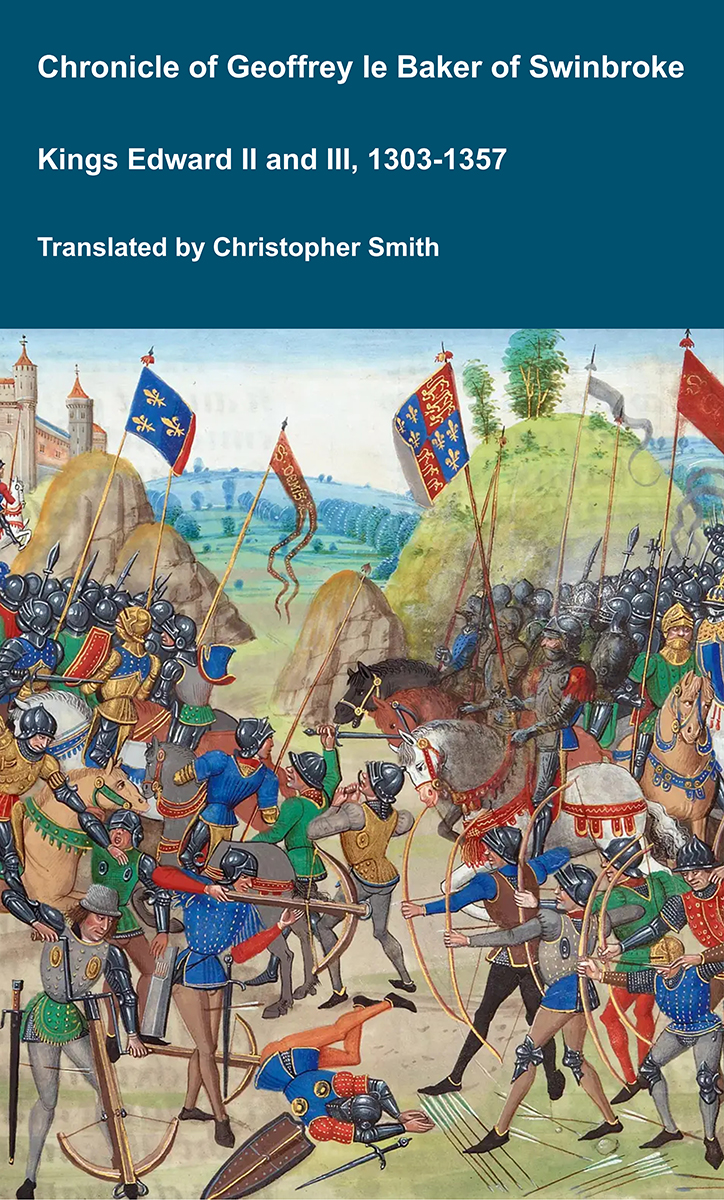
Chronicle of Geoffrey le Baker of Swinbroke
Baker was a secular clerk from Swinbroke, now Swinbrook, an Oxfordshire village two miles east of Burford. His Chronicle describes the events of the period 1303-1356: Gaveston, Bannockburn, Boroughbridge, the murder of King Edward II, the Scottish Wars, Sluys, Crécy, the Black Death, Winchelsea and Poitiers. To quote Herbert Bruce 'it possesses a vigorous and characteristic style, and its value for particular events between 1303 and 1356 has been recognised by its editor and by subsequent writers'. The book provides remarkable detail about the events it describes. Baker's text has been augmented with hundreds of notes, including extracts from other contemporary chronicles, such as the Annales Londonienses, Annales Paulini, Murimuth, Lanercost, Avesbury, Guisborough and Froissart to enrich the reader's understanding. The translation takes as its source the 'Chronicon Galfridi le Baker de Swynebroke' published in 1889, edited by Edward Maunde Thompson.
Available at Amazon in eBook and Paperback format.
On 19th February 1672 Bethel Wray 5th Baronet [aged 49] died. He was buried at St Giles' in the Fields Church [Map]. His half first cousin once removed Christopher [aged 20] succeeded 6th Baronet Wray of Glentworth in Lincolnshire.
On 19th February 1691 Thomas Lee 1st Baronet [aged 55] died. His son Thomas [aged 30] succeeded 2nd Baronet Lee of Hartwell in Buckinghamshire.
On 19th February 1699 William Eliott 2nd Baronet died. His son Gilbert [aged 19] succeeded 4th Baronet Eliott of Stobs.
On 19th February 1717 Robert Needham 8th Viscount Kilmorey [aged 14] died. His brother Thomas [aged 13] succeeded 9th Viscount Kilmorey.
On 19th February 1720 Edward Mansel 1st Baronet died. His son Edward succeeded 2nd Baronet Mansel of Trimsaran in Carmarthenshire.
On 19th February 1725 Edward Hussey 3rd Baronet [aged 63] died. His son Henry [aged 23] succeeded 4th Baronet Hussey of Honington in Lincolnshire, 4th Baronet Hussey of Caythorpe in Lincolnshire.
On 19th February 1759 Thomas Clarges 2nd Baronet [aged 70] died. His grandson Thomas [aged 7] succeeded 3rd Baronet Clarges of St Martin's in the Fields in Middlesex.
On 19th February 1769 Anne Spencer Viscountess Culmore [aged 67] died.
On 19th February 1773 Stephen Anderson 3rd Baronet [aged 64] died at Eyeworth, Bedfordshire. Baronet Anderson of Eyeworth in Bedfordshire extinct.
On 10th February 1780 Samuel Egerton [aged 68] died. On 19th February 1780 he was buried at St Mary's Church, Rostherne, Tatton [Map]. Monument sculpted by John "The Elder" Bacon [aged 39]. Figures representing Hope and Patience.
The monument inscription describes those also buried in the vault: John Egerton, his wife Elizabeth Barbour buried 10th February 1743, her mother Elizabeth Hill [aged 85] buried 17th April 1713 and John and Elizabeth's daughter-in-law Beatrix Copley [aged 22] buried 1st May 1755.
On 19th February 1786 Jean Gray Countess Moray [aged 42] died.

On 19th February 1791 Mary Wright Lady Cunliffe died.
On 19th February 1794 Francis Henry Drake 5th Baronet [aged 70] died unmarried. Baronet Drake of Buckland in Devon extinct. He left his estates and fortune to Francis Augustus Eliott 2nd Baron Heathfield [aged 43], the son of sister Anne Pollexfen Drake.
On 19th February 1804 Philip Yorke [aged 60] died. Monument in St Deiniol & St Marcella Church, Marchwiel [Map] sculpted by Richard Westmacott [aged 28].
Philip Yorke: On 30th July 1743 he was born to Simon Yorke at Erddig, Wrexham. On 30th July 1743 Philip Yorke and Elizabeth Cust were married.
On 19th February 1816 Louisa Grace Manners Duchess St Albans [aged 39] died. The same day her son Aubrey Beauclerk 7th Duke St Albans died. His uncle William [aged 49] succeeded 8th Duke St Albans, 8th Earl Burford, 8th Baron Heddington, 5th Baron Vere of Hanworth in Middlesex. Maria Janetta Nelthorpe Duchess St Albans by marriage Duchess St Albans. Both at the home of her sister Laura Manners Countess Stair and her husband John Dalrymple 7th Earl of Stair [aged 31] at Portman Square Marylebone.
Jean de Waurin's Chronicle of England Volume 6 Books 3-6: The Wars of the Roses
Jean de Waurin was a French Chronicler, from the Artois region, who was born around 1400, and died around 1474. Waurin’s Chronicle of England, Volume 6, covering the period 1450 to 1471, from which we have selected and translated Chapters relating to the Wars of the Roses, provides a vivid, original, contemporary description of key events some of which he witnessed first-hand, some of which he was told by the key people involved with whom Waurin had a personal relationship.
Available at Amazon in eBook and Paperback format.
On 19th February 1838 George Thynne 2nd Baron Carteret [aged 68] died. His brother John [aged 65] succeeded 3rd Baron Carteret.
On 19th February 1838 Charles Palmer 6th Baronet [aged 78] died unmarried. Baronet Palmer of Wingham in Kent extinct. He appears to have had two illegitimate sons, John and Henry, who were ineligible to succeed to the title.
On 19th February 1839 Lawrence Dundas 1st Earl Zetland [aged 72] died suddenly at his home Aske Hall North Yorkshire. His son Thomas [aged 44] succeeded 2nd Earl Zetland aka Shetland, 3rd Baron Dundas, 4th Baronet Dundas of Kerse.
On 19th February 1839 Alleyne Fitzherbert 1st Baron St Helens [aged 85] died unmarried. Baron St Helens extinct.
On 19th February 1845 Thomas Fowell Buxton 1st Baronet [aged 58] died. He was buried at St Martin's Church, Overstrand [Map]. His son Edward [aged 32] succeeded 2nd Baronet Buxton of Belfield in Dorset. Catherine Gurney Lady Buxton [aged 31] by marriage Lady Buxton of Belfield in Dorset.
On 19th February 1863 Thomas Charles Hanbury-Tracy 2nd Baron Sudeley [aged 62] died. His son Sudeley [aged 25] succeeded 3rd Baron Sudeley of Toddington in Gloucestershire.
On 19th February 1891 Frederick Lygon 6th Earl Beauchamp [aged 60] died. His son William [aged 18] succeeded 7th Earl Beauchamp, 7th Viscount Elmley of Worcestershire, 7th Baron Beauchamp Powick in Worcestershire.
On 19th February 1914 Henry Charles Manners-Sutton 4th Viscount Canterbury [aged 74] died. His son Henry [aged 35] succeeded 5th Viscount Canterbury of Canterbury, 5th Baron Bottesford of Bottesford in Leicestershire.
On 19th February 1923 Charlotte Louisa Rowley Baroness Hatherton [aged 78] died.
On 19th February 1926 Francis Derwent Wood [aged 54] died.
On 19th February 1940 Algernon Temple-Gore-Langton 5th Earl Temple of Stowe [aged 68] died without issue. His nephew Chandos [aged 30] succeeded 6th Earl Temple of Stowe.
On 19th February 1948 Agnes Beryl Spencer-Churchill Viscountess Cowdray [aged 66] died.
On 19th February 1950 Reverend William Wolseley 11th Baronet [aged 84] died. His second cousin once removed Garnet [aged 34] succeeded 12th Baronet Wolseley of Mount Wolseley in County Carlow.
Jean de Waurin's Chronicle of England Volume 6 Books 3-6: The Wars of the Roses
Jean de Waurin was a French Chronicler, from the Artois region, who was born around 1400, and died around 1474. Waurin’s Chronicle of England, Volume 6, covering the period 1450 to 1471, from which we have selected and translated Chapters relating to the Wars of the Roses, provides a vivid, original, contemporary description of key events some of which he witnessed first-hand, some of which he was told by the key people involved with whom Waurin had a personal relationship.
Available at Amazon in eBook and Paperback format.
On 19th February 1957 Nigel Courtenay Musgrave 13th Baronet [aged 61] died. His first cousin Charles [aged 43] succeeded 14th Baronet Musgrave of Hartley Castle in Westmoreland.

On 19th February 1957 Elizabeth Evelyn Harbord Baroness Hastings [aged 96] died.
On 19th February 1958 Robert John Aldborough Henniker 7th Baronet [aged 69] died. His first cousin Mark [aged 51] succeeded 8th Baronet Henniker of Newton Hall in Essex.
On 19th February 1963 John Henry Cole 5th Earl of Enniskillen [aged 86] died. His nephew David [aged 44] succeeded 6th Earl Enniskillen, 5th Baron Grinstead of Grinstead in Wiltshire.
On 19th February 1966 Winifred Agnes Lloyd Viscountess Leverhulme [aged 66] died. She was buried at Christ Church, Port Sunlight [Map].
Winifred Agnes Lloyd Viscountess Leverhulme: On 14th July 1899 she was born. On 20th January 1937 William Lever 2nd Viscount Leverhulme and she were married. She by marriage Viscountess Leverhulme of the Western Isles.
On 19th February 1967 Reverend Thomas Robert Heneage 3rd Baron Heneage [aged 89] died. Baron Heneage of Hainton in Lincolnshire extinct.
On 19th February 1979 Robert George Grosvenor 5th Duke Westminster [aged 68] died. His son Gerald [aged 27] succeeded 6th Duke Westminster, 8th Marquess Westminster, 9th Earl Grosvenor, 15th Baronet Grosvenor of Eaton in Cheshire. Natalia Phillips Duchess of Westminster [aged 19] by marriage Duchess Westminster.
On 19th February 1990 Frances Laura Charteris Duchess of Marlborough [aged 74] died at Portland Towers Marylebone.
On 19th February 2008 Charles Finch-Knightley 11th Earl of Aylesford [aged 89] died. His son Heneage [aged 60] succeeded 12th Earl Aylesford.
On 19th February 2015 Edwyn Wren Hoskyns 17th Baronet [aged 59] died. His son Robin [aged 25] succeeded 18th Baronet Hoskyns of Harewood in Herefordshire.